Framework
Kahu's student engagement framework
Influences, engagement and consequences kept apart, for auditing a course evaluation form
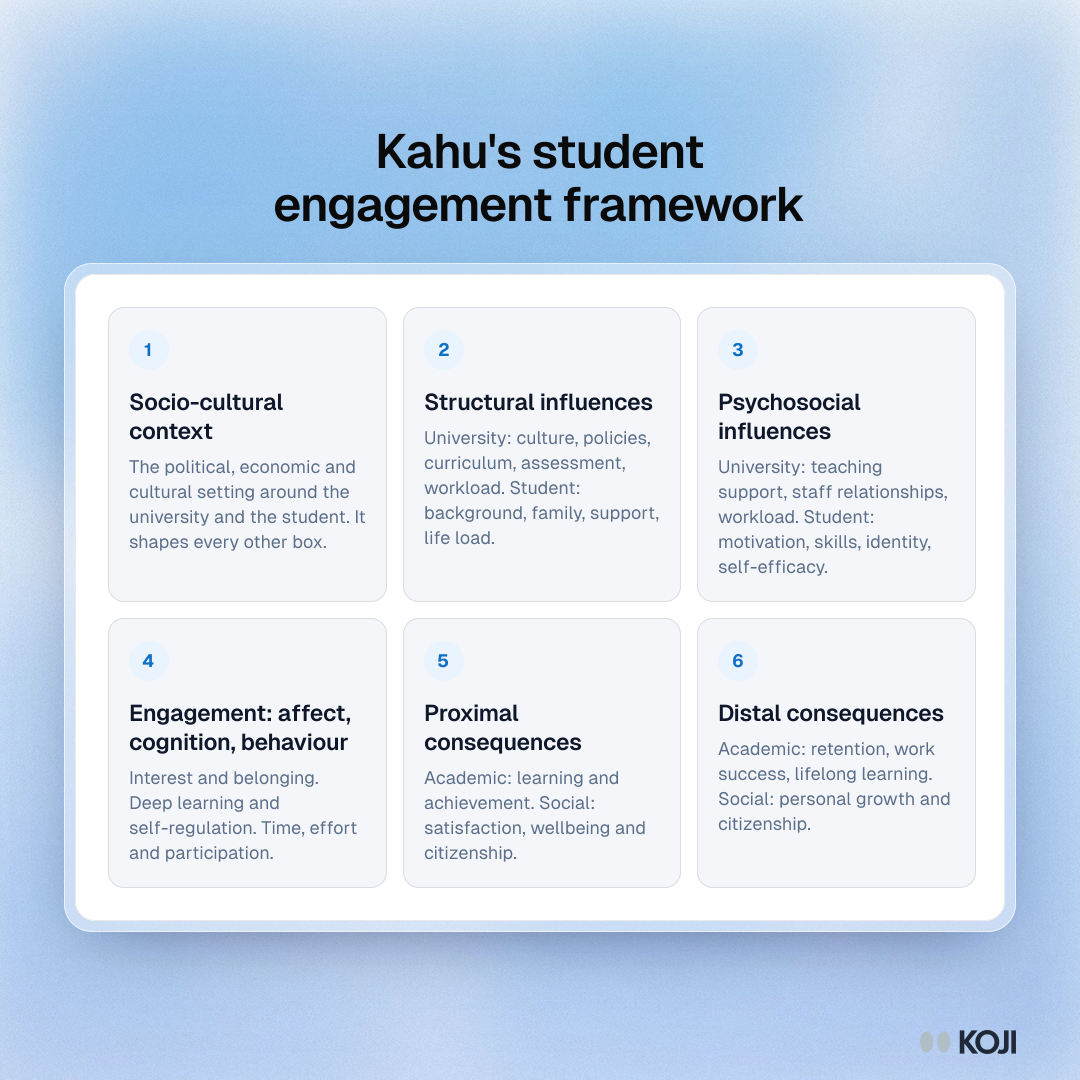
Ella Kahu's 2013 framework separates what shapes student engagement from engagement itself and from what it leads to. Quality assurance and programme teams can use it to sort every item on a course evaluation form into one box and see which boxes are empty, crowded or mixed. Most forms ask about university-side influences and satisfaction and leave out student-side influences such as paid work or self-efficacy. Koji's interview-based course evaluations can add short questions and follow-ups for the empty boxes.
What's in this framework
- Socio-cultural context: The political, economic and cultural setting around the university and the student. It shapes every other box.
- Structural influences: University: culture, policies, curriculum, assessment, workload. Student: background, family, support, life load.
- Psychosocial influences: University: teaching support, staff relationships, workload. Student: motivation, skills, identity, self-efficacy.
- Engagement: affect, cognition, behaviour: Interest and belonging. Deep learning and self-regulation. Time, effort and participation.
- Proximal consequences: Academic: learning and achievement. Social: satisfaction, wellbeing and citizenship.
- Distal consequences: Academic: retention, work success, lifelong learning. Social: personal growth and citizenship.
Use this image
Free to use in your docs, decks and posts under CC BY 4.0, as long as you credit Koji with a link to this page. To embed it, paste this into your page:
<a href="https://www.koji.so/visuals/kahu-student-engagement-framework-course-evaluation"><img src="https://www.koji.so/visuals/kahu-student-engagement-framework-course-evaluation/kahu-student-engagement-framework-course-evaluation.png" alt="Framework of Kahu's student engagement model: context, structural and psychosocial influences, engagement, and its proximal and distal consequences." width="1080" height="1080" /></a>
<p>Source: <a href="https://www.koji.so/visuals/kahu-student-engagement-framework-course-evaluation">Kahu's student engagement framework</a>, Koji</p>
Related
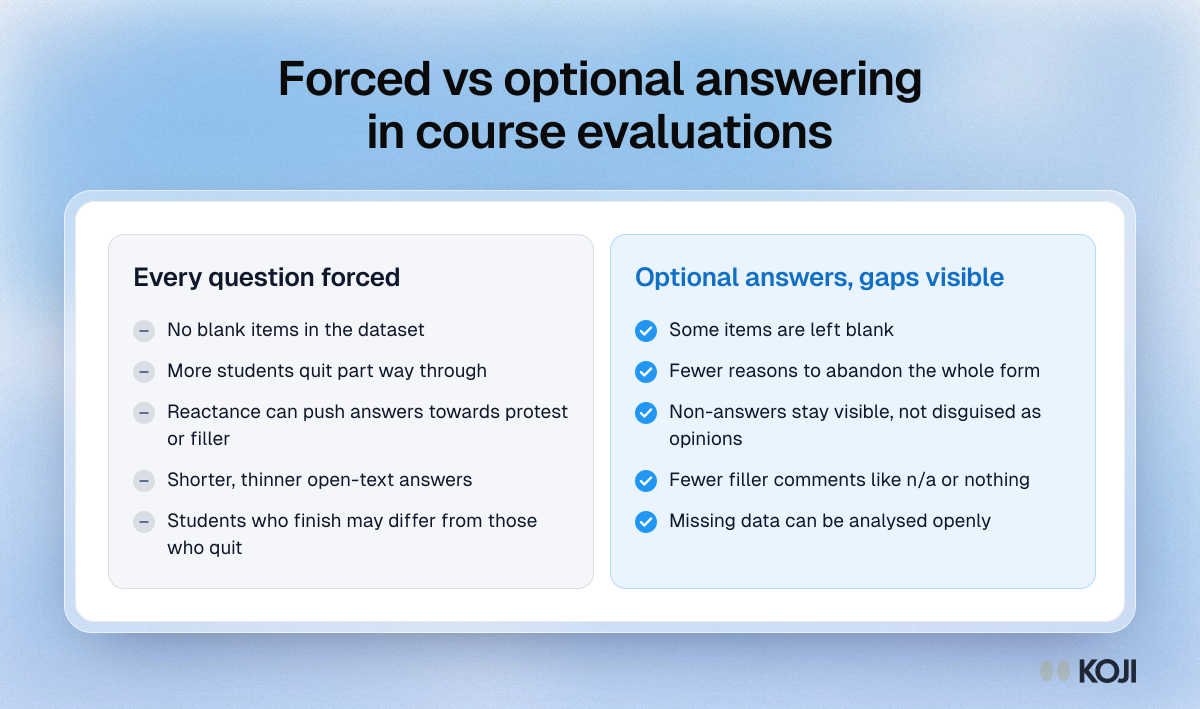
Forced vs optional answering in course evaluations
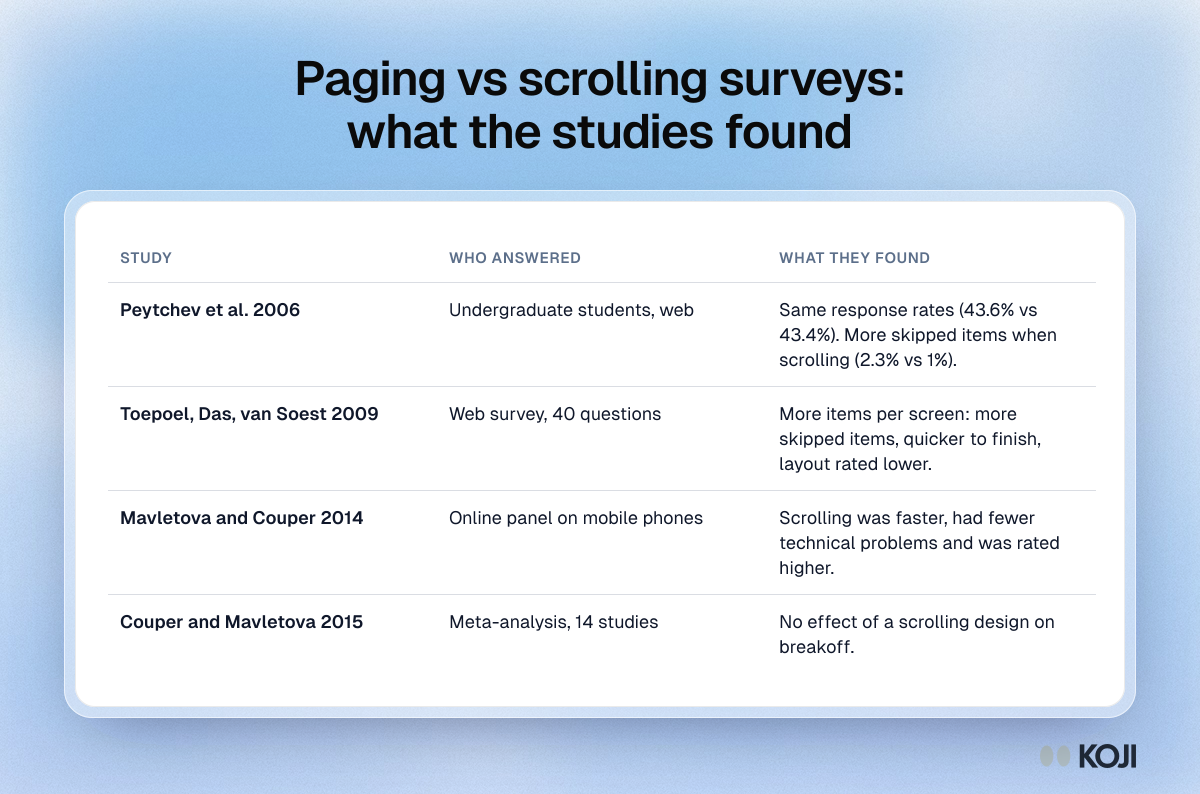
Paging vs scrolling surveys: what the studies found
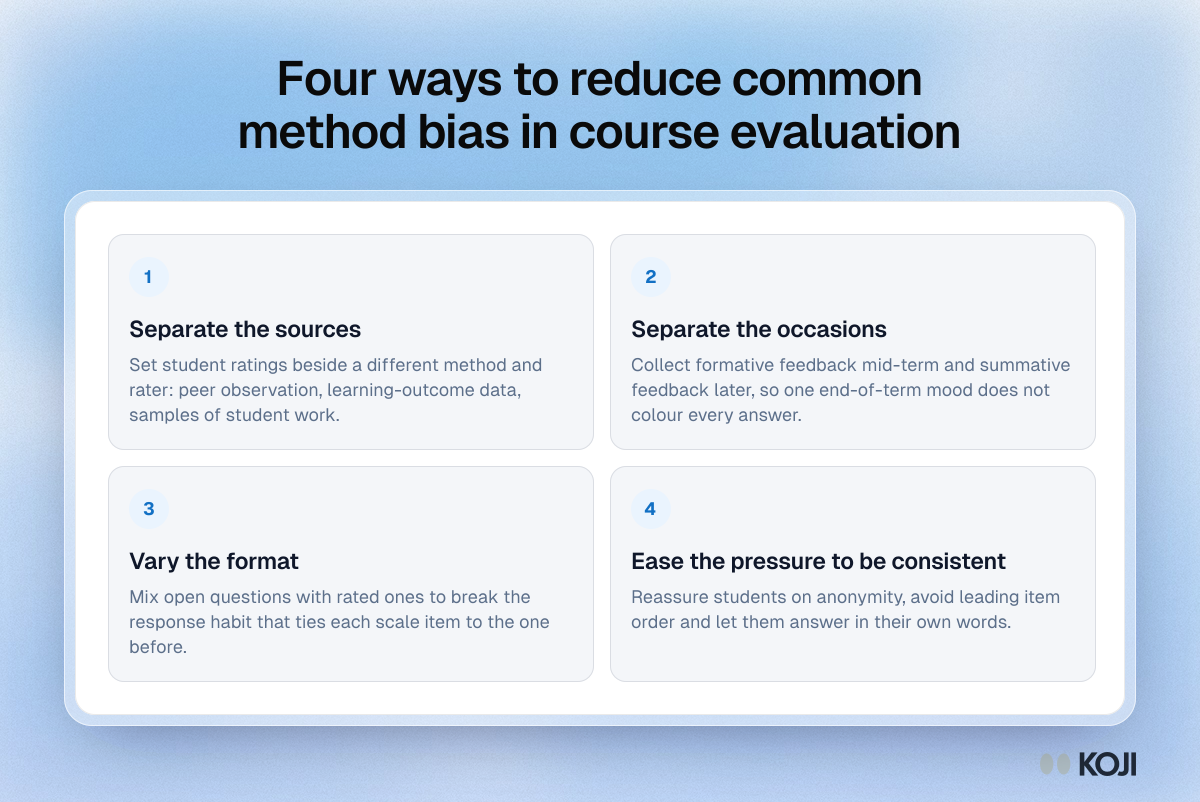
Four ways to reduce common method bias in course evaluation
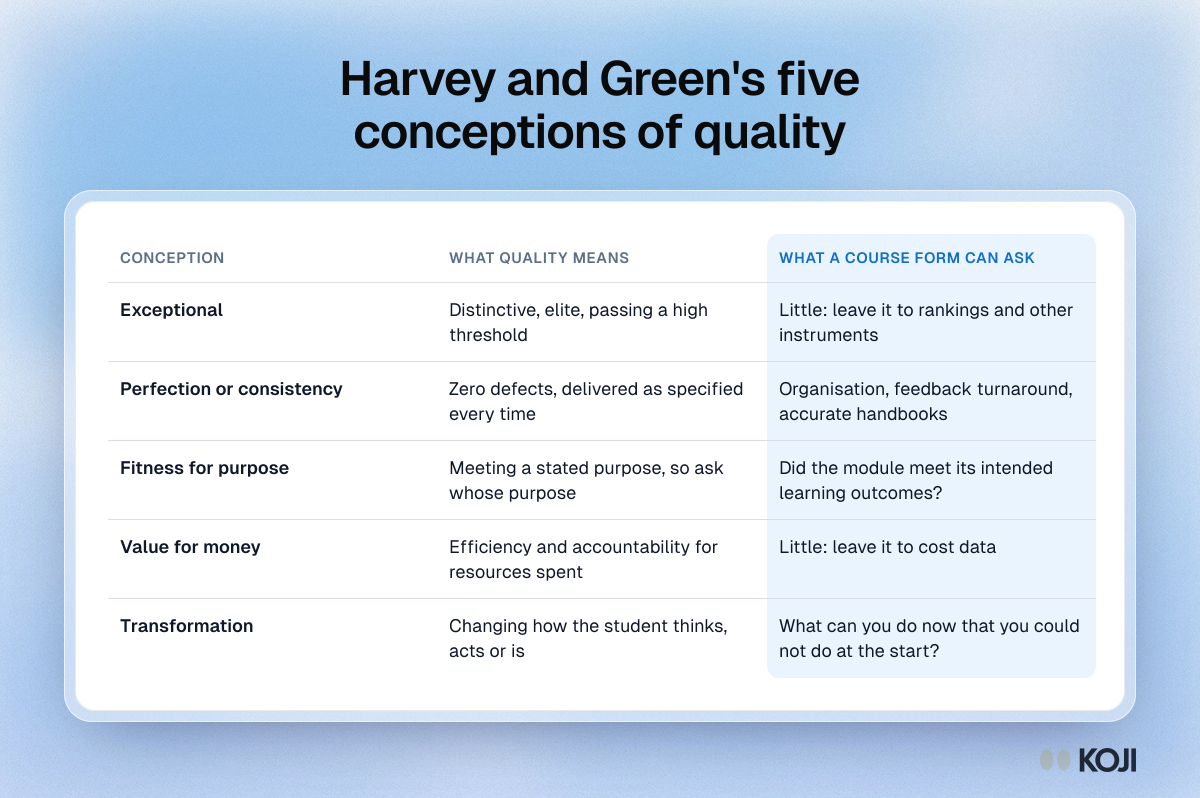
Harvey and Green's five conceptions of quality
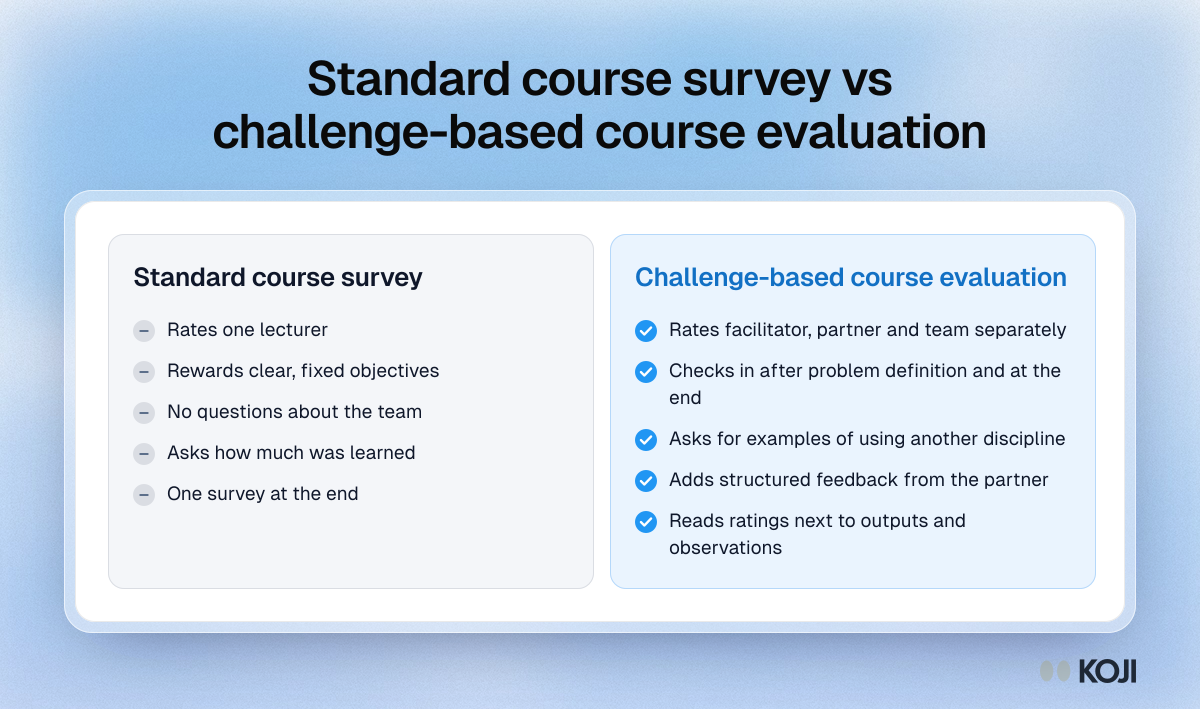
Standard course survey vs challenge-based course evaluation
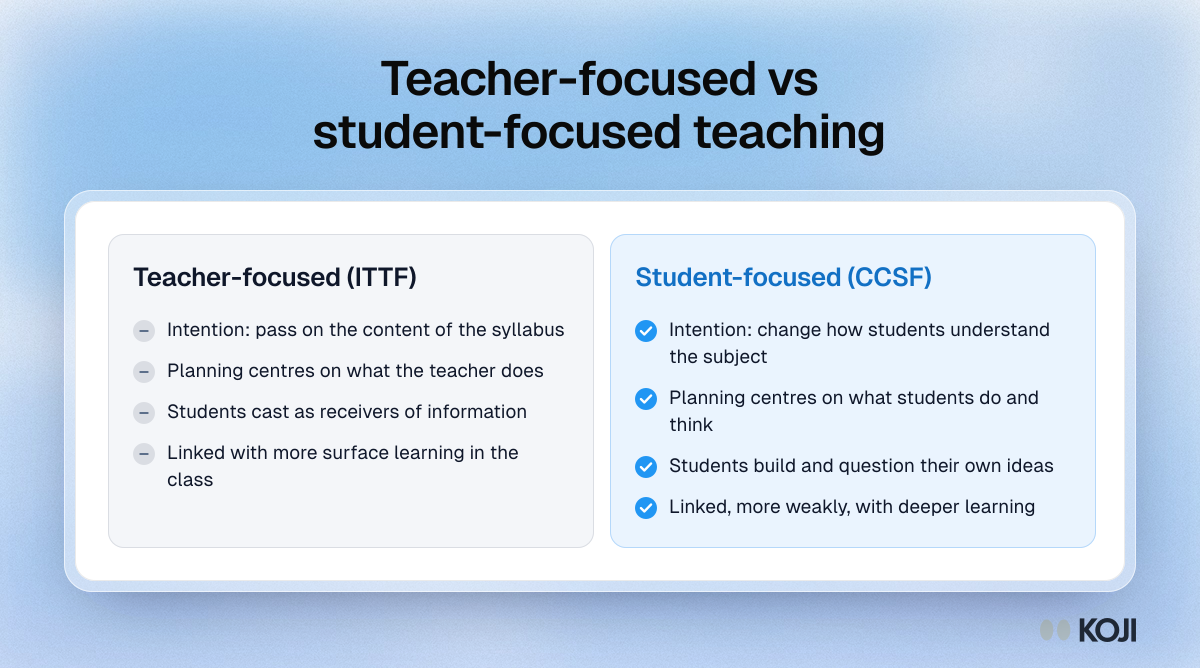
Teacher-focused vs student-focused teaching