Koji
PricingEnterprise
Sign inCreate a study

Free to save and share

Frameworks and cheat sheets for customer research

Every framework, checklist and comparison from our guides, as an image you can download, drop into a deck or share with your team.
All (1344)Reference table (380)Framework (139)Matrix (12)Process (230)Guide (56)Checklist (148)Comparison (94)Key figure (21)Bar chart (56)Column chart (30)Donut chart (1)Stacked bar chart (2)Scatter plot (4)Benchmark range (4)Question bank (98)Flowchart (69)
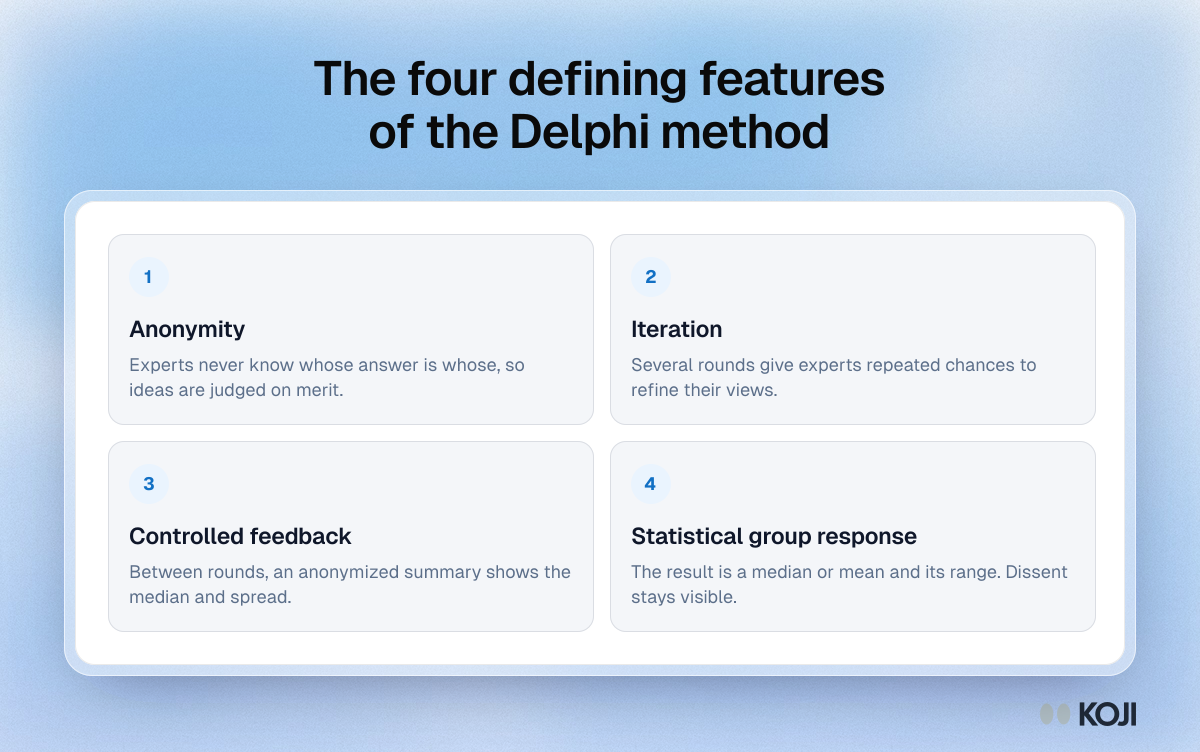
Framework showing the four defining features of the Delphi method: anonymity, iteration, controlled feedback and statistical group response.

Framework

The four defining features of the Delphi method
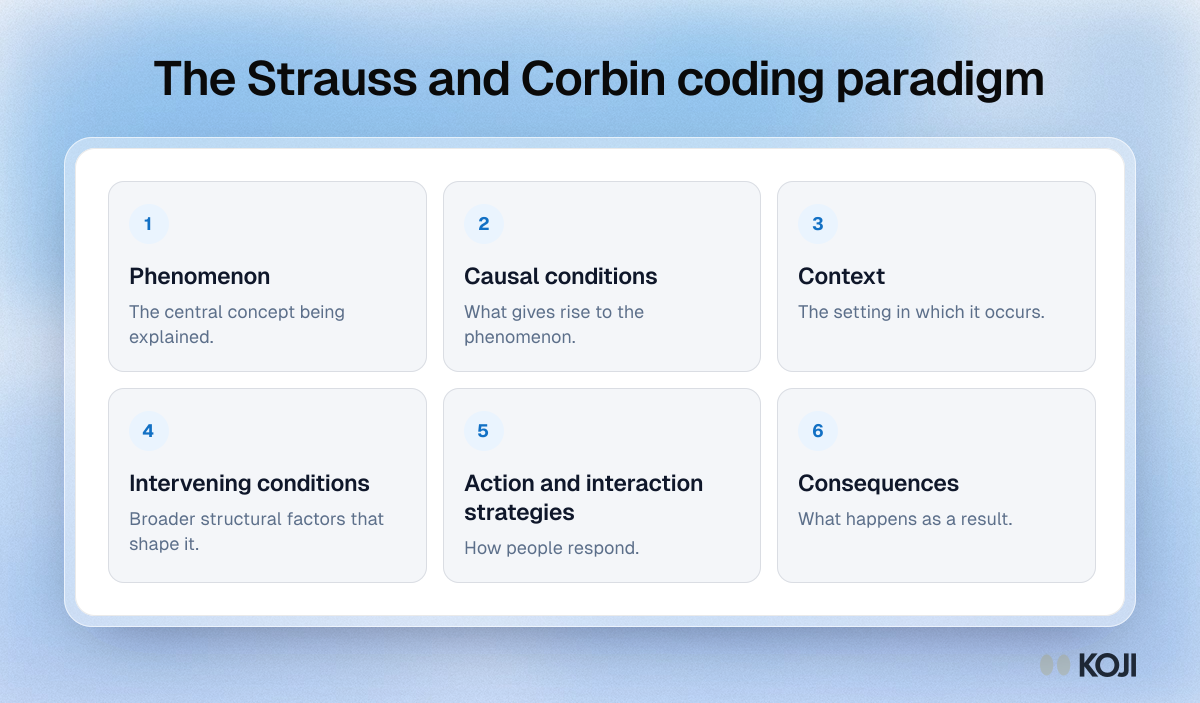
Framework of the six elements in the Strauss and Corbin coding paradigm for axial coding, from phenomenon to consequences.

Framework

The Strauss and Corbin coding paradigm
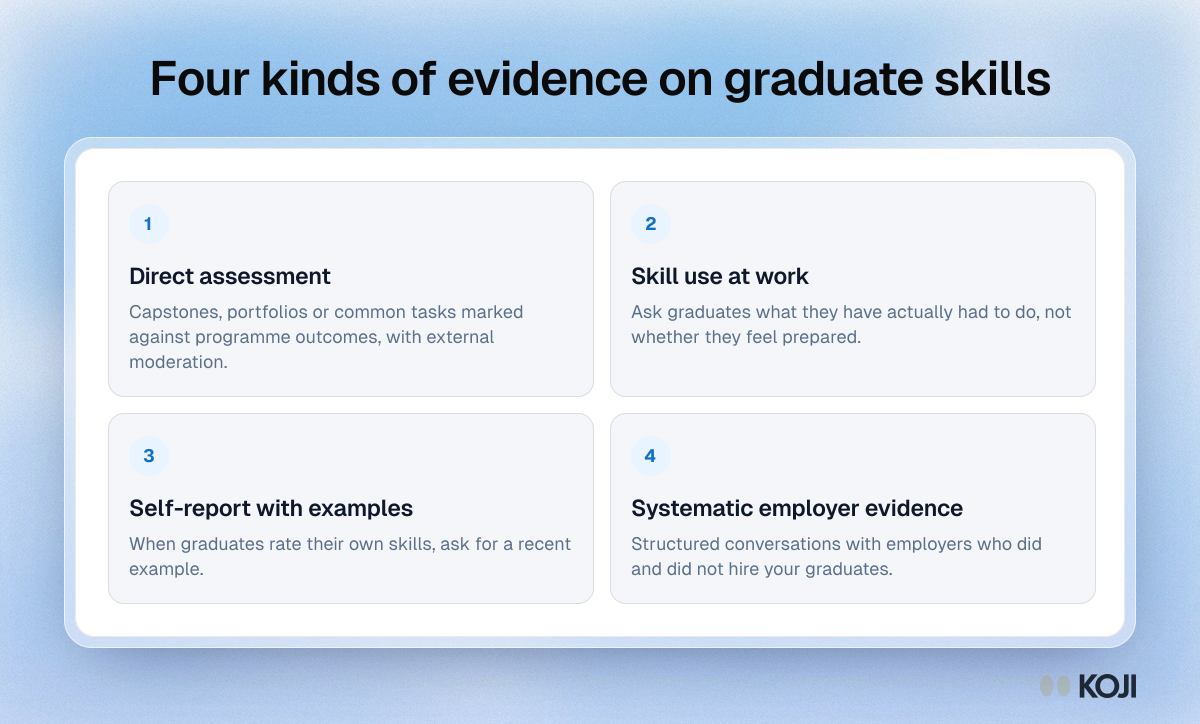
Framework of four kinds of graduate skills evidence for programme review: direct assessment, skill use at work, self-report with examples and employer evidence.

Framework

Four kinds of evidence on graduate skills
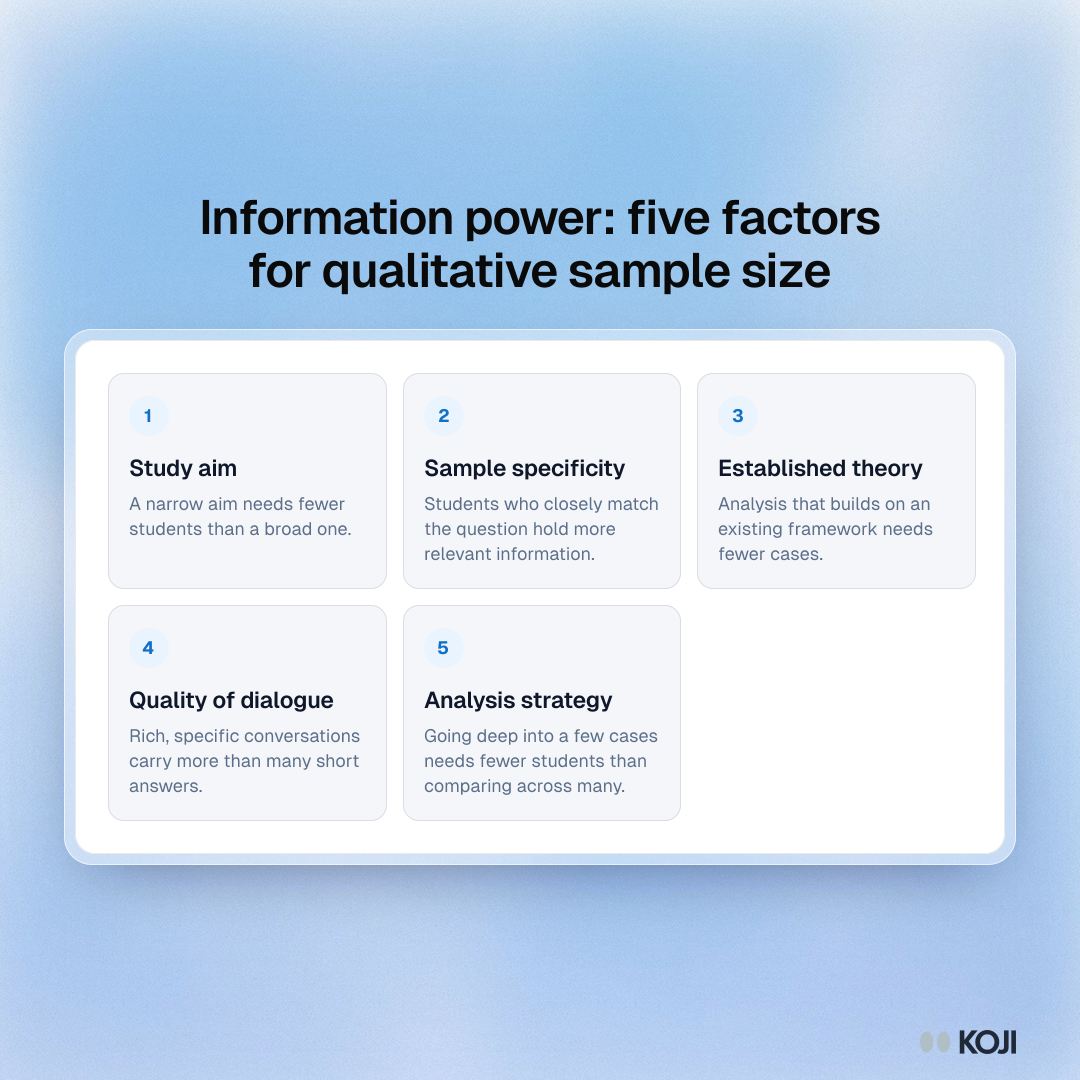
Framework of the five factors that set information power in interview studies: study aim, sample specificity, theory, dialogue quality and analysis.

Framework

Information power: five factors for qualitative sample size
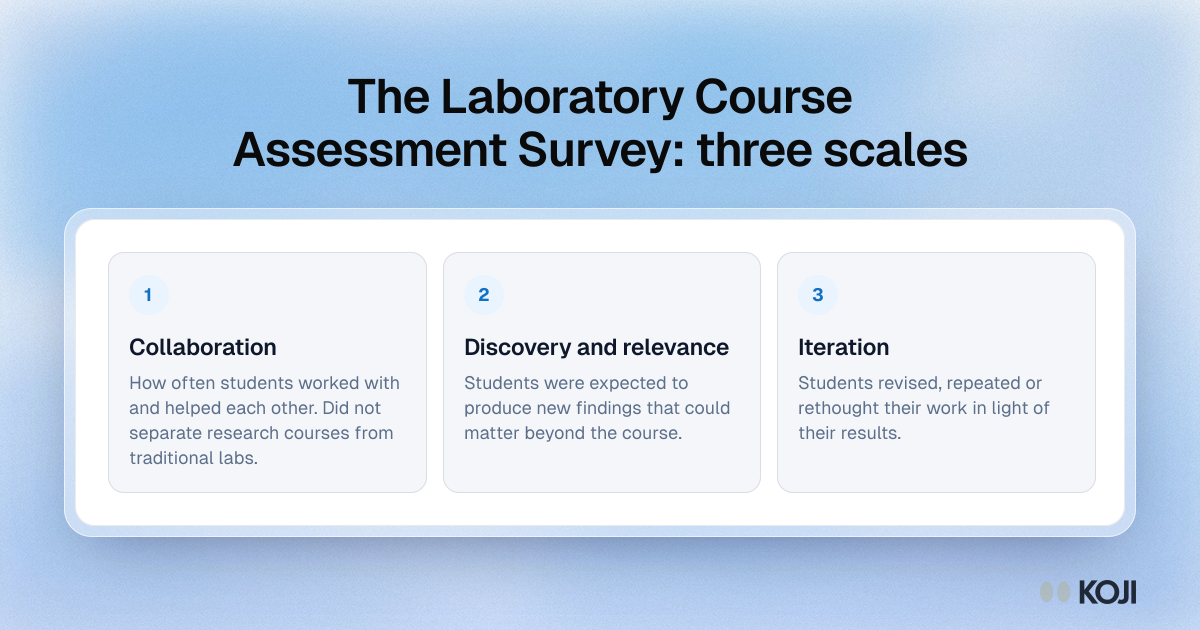
Framework showing the three scales of the Laboratory Course Assessment Survey: collaboration, discovery and relevance, and iteration.

Framework

The Laboratory Course Assessment Survey: three scales
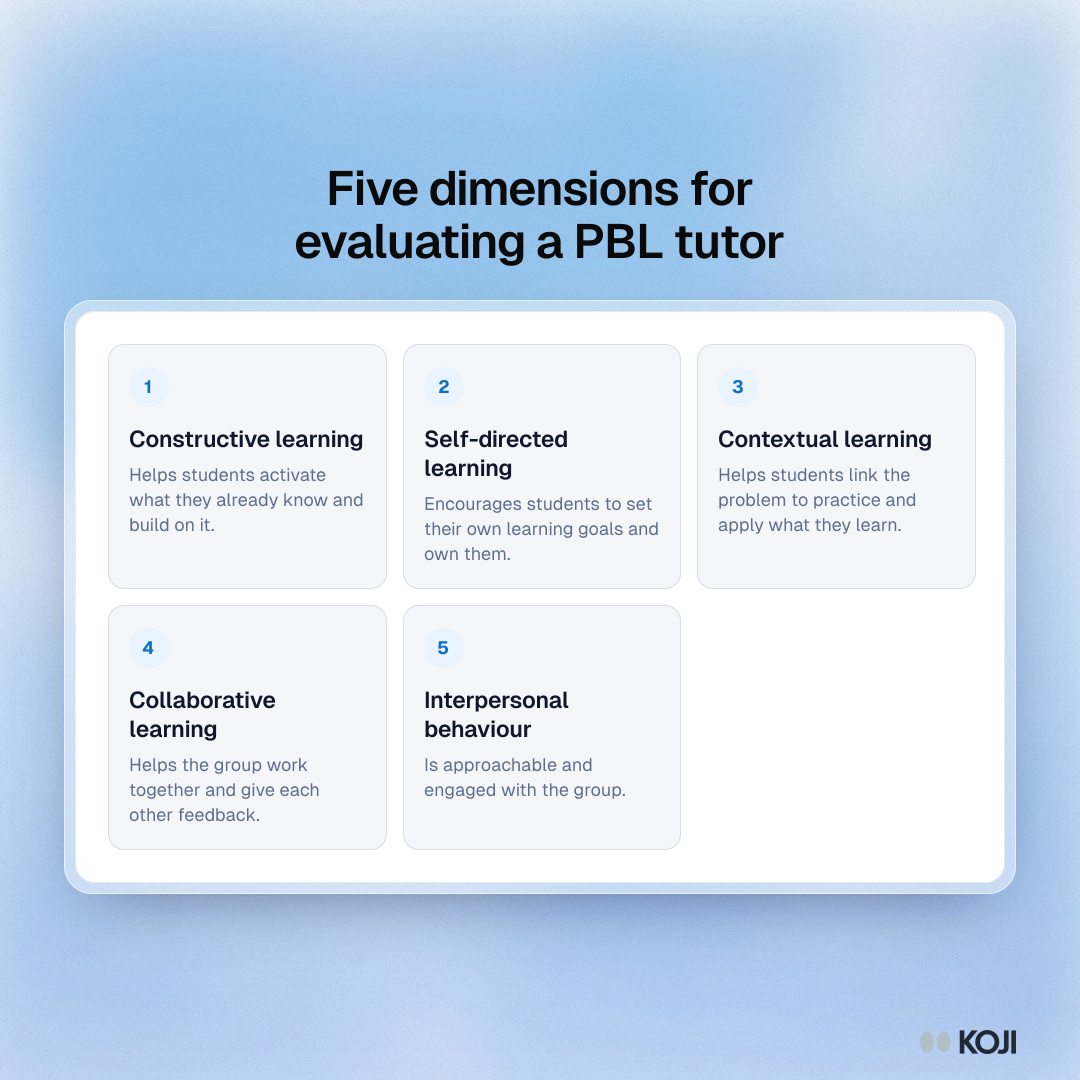
Framework of five dimensions for evaluating a PBL tutor: constructive, self-directed, contextual and collaborative learning, plus interpersonal behaviour.

Framework

Five dimensions for evaluating a PBL tutor
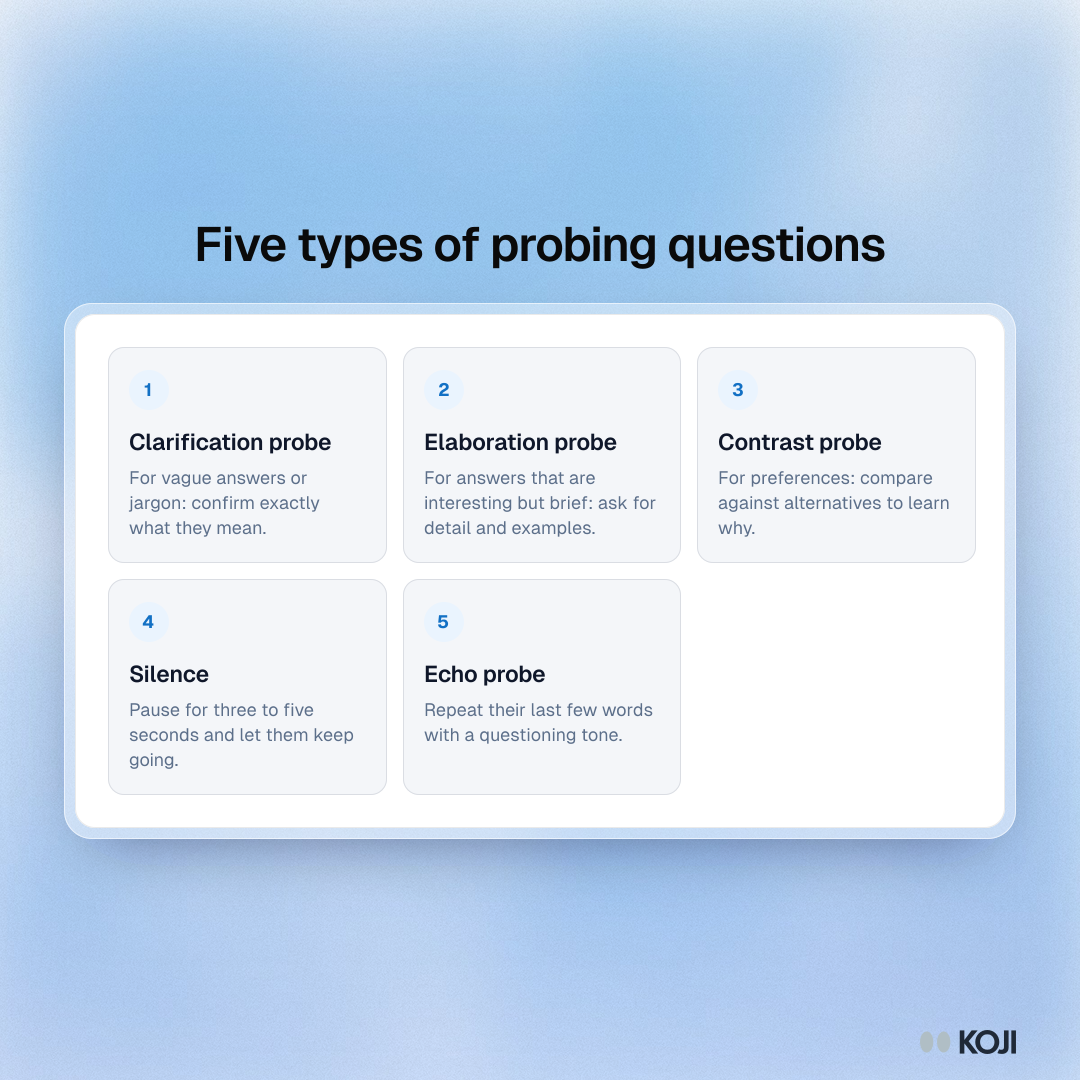
Framework of five probing question types for interviews: clarification, elaboration, contrast, silence and echo probes, each with when to use it.

Framework

Five types of probing questions
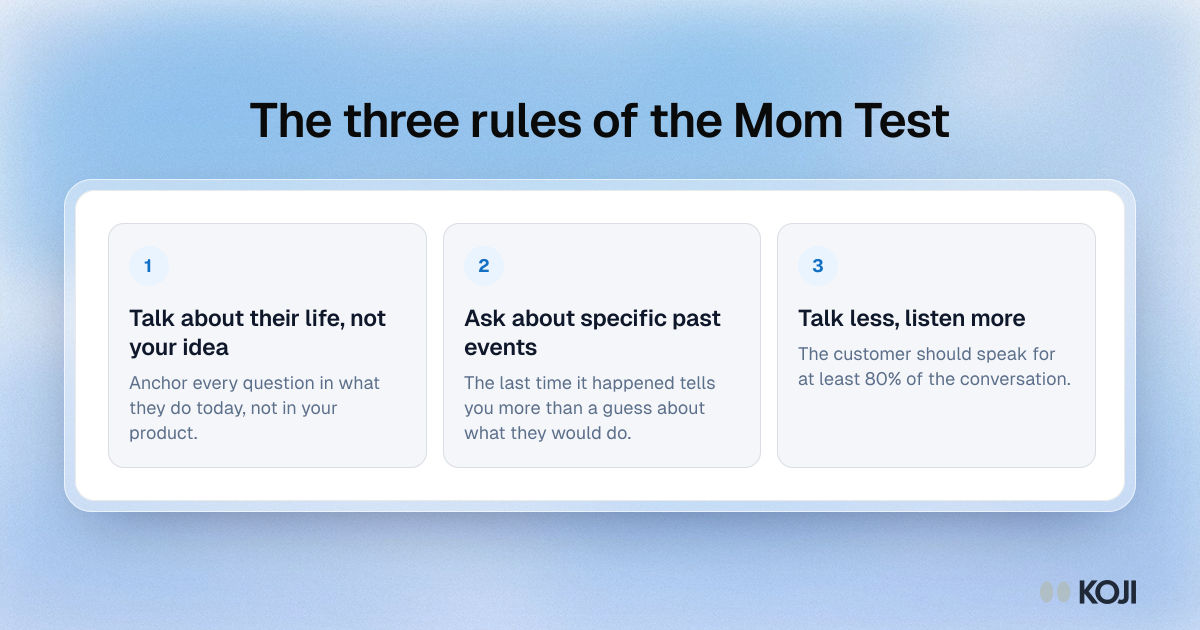
Framework showing the three rules of the Mom Test: talk about their life not your idea, ask about specific past events, and talk less and listen more.

Framework

The three rules of the Mom Test
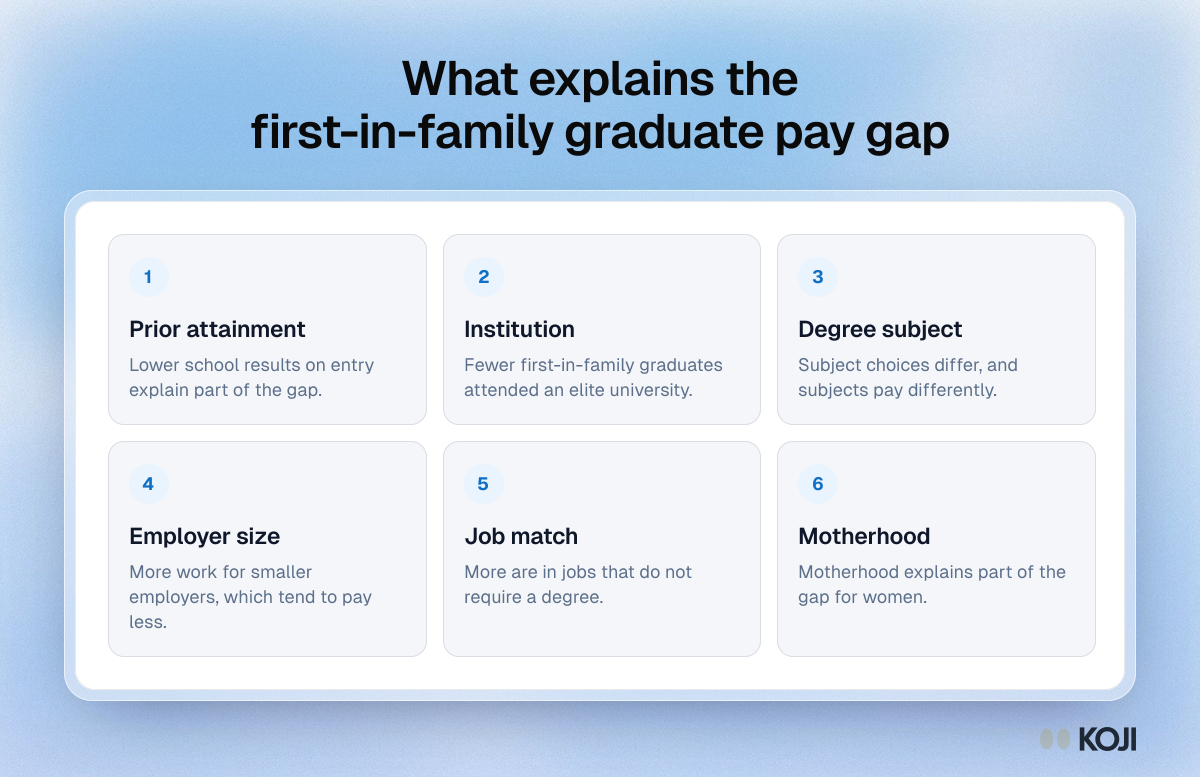
Framework of six factors behind the first-in-family pay gap for women graduates in England: attainment, institution, subject, employer, job match, motherhood.

Framework

What explains the first-in-family graduate pay gap
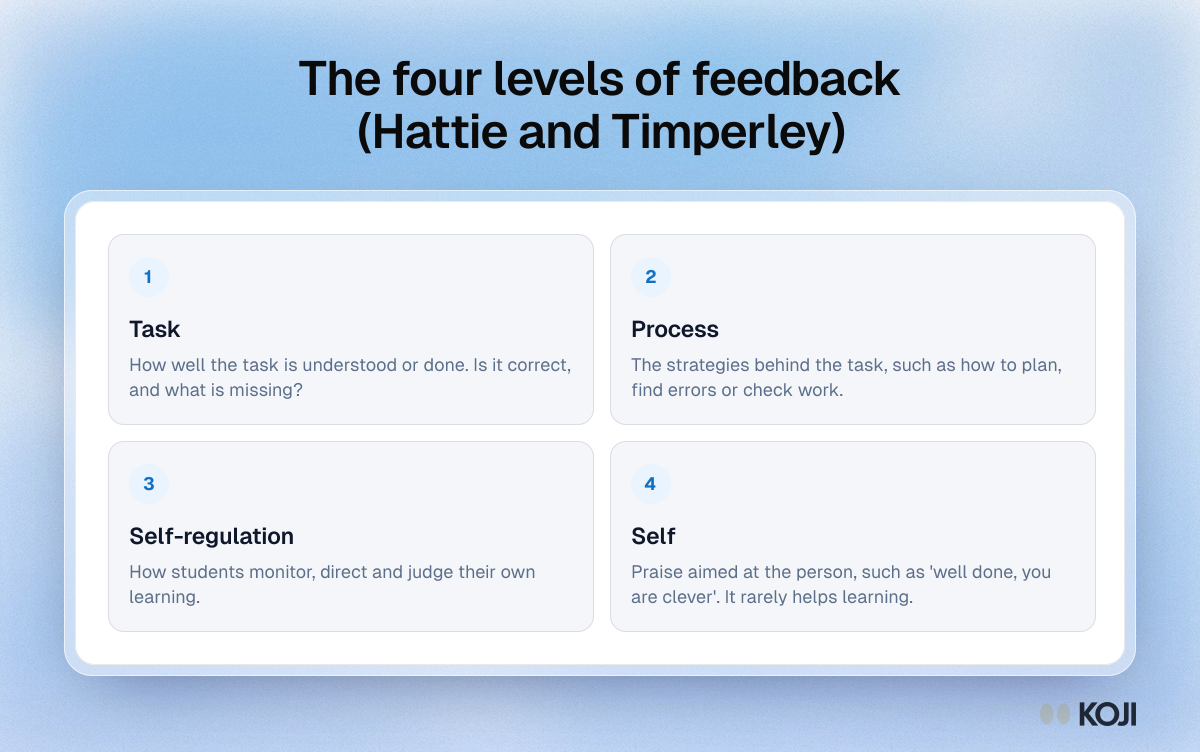
Framework showing Hattie and Timperley's four levels of feedback: task, process, self-regulation and self, with what each level is about.

Framework

The four levels of feedback (Hattie and Timperley)
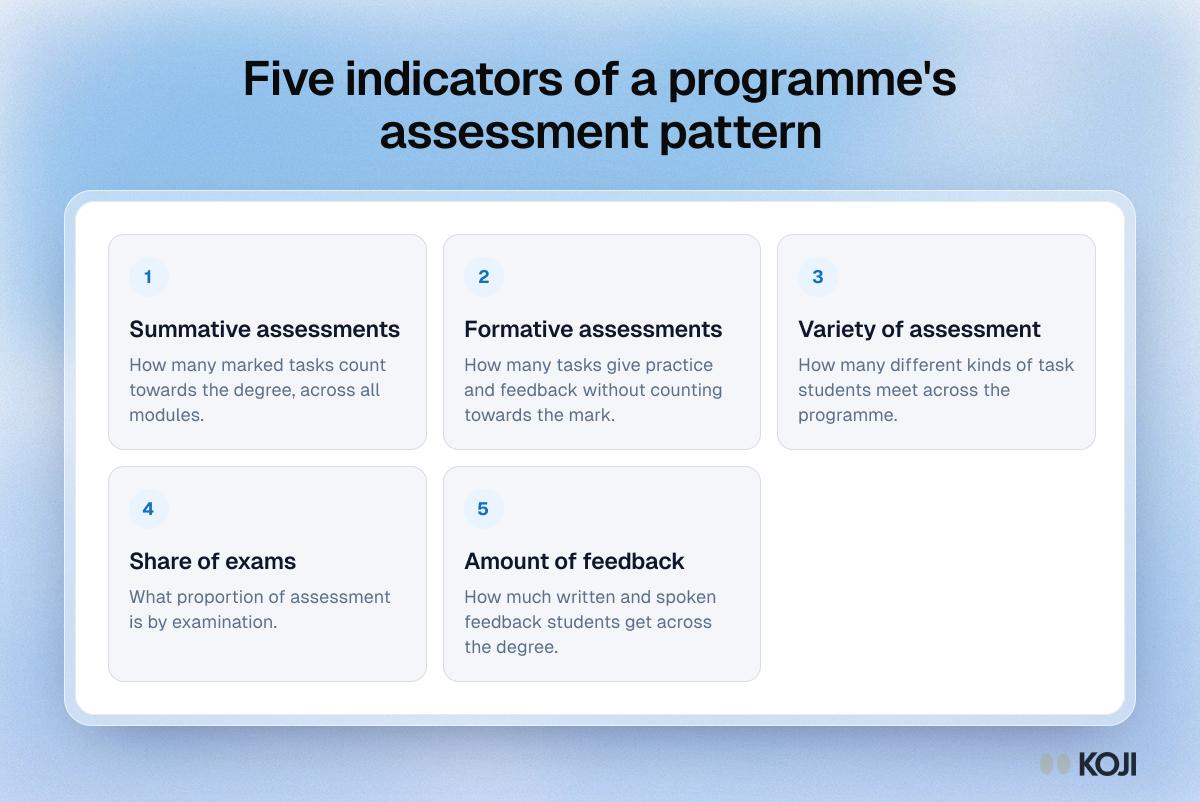
Framework listing five indicators of a programme's assessment pattern: summative tasks, formative tasks, variety, share of exams and amount of feedback.

Framework

Five indicators of a programme's assessment pattern
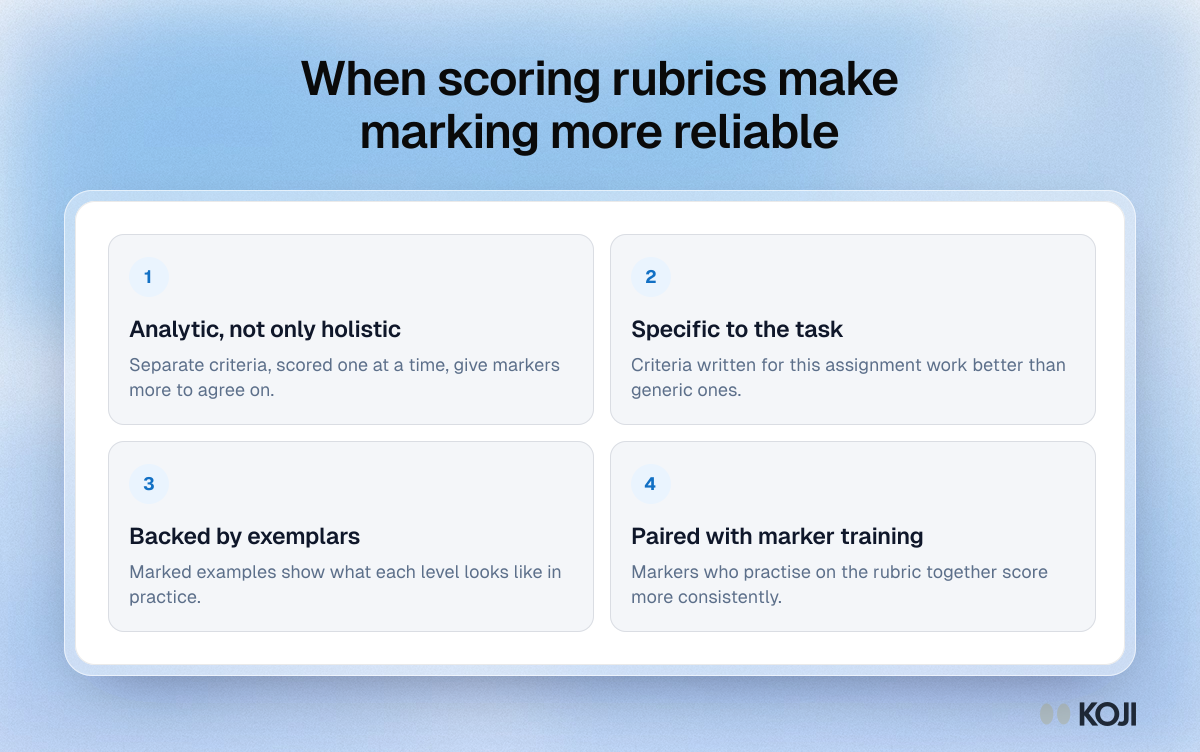
Framework of four conditions under which scoring rubrics make marking more reliable: analytic criteria, task-specific wording, exemplars and marker training.

Framework

When scoring rubrics make marking more reliable
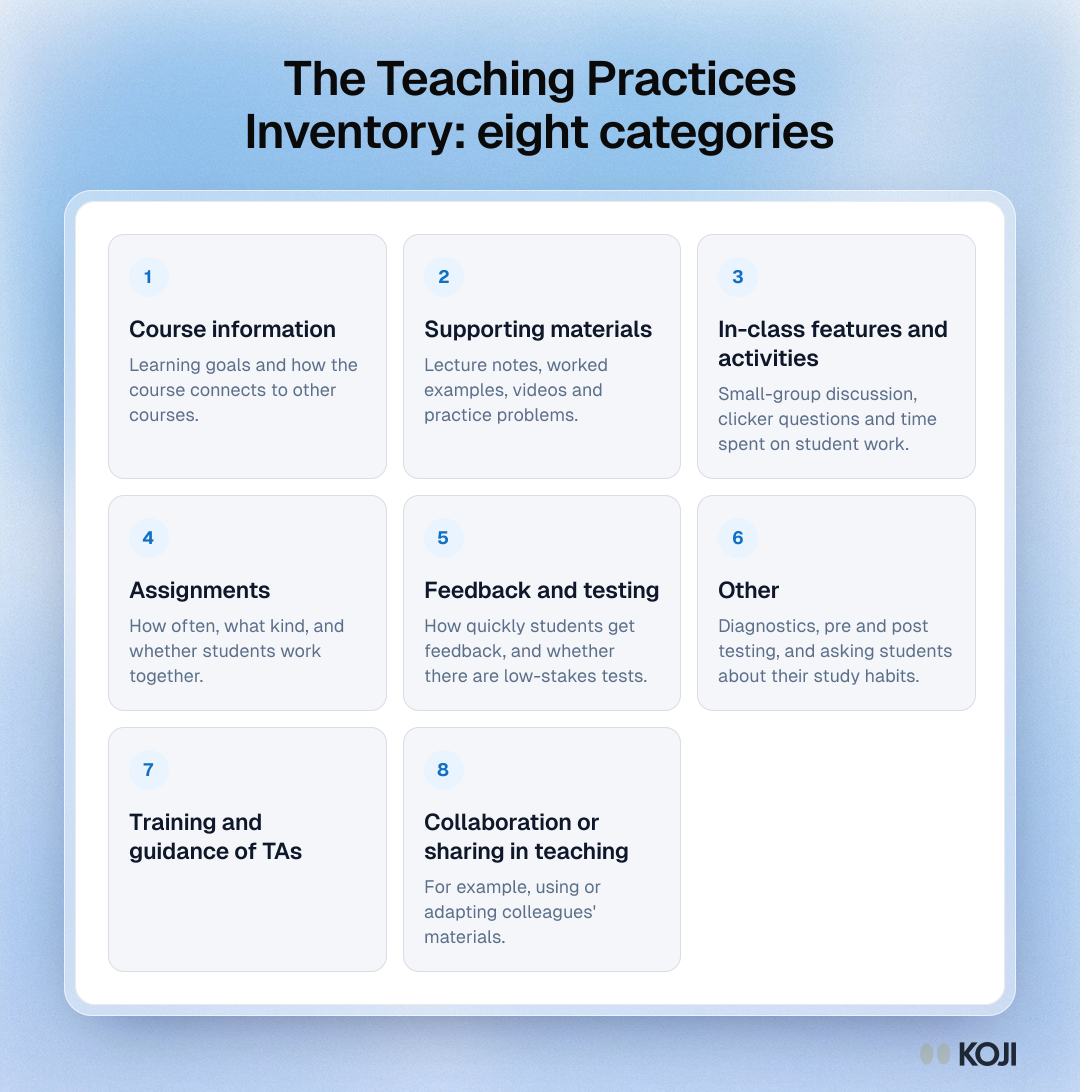
Framework showing the eight categories of the Teaching Practices Inventory, from course information and supporting materials to TA training and collaboration.

Framework

The Teaching Practices Inventory: eight categories
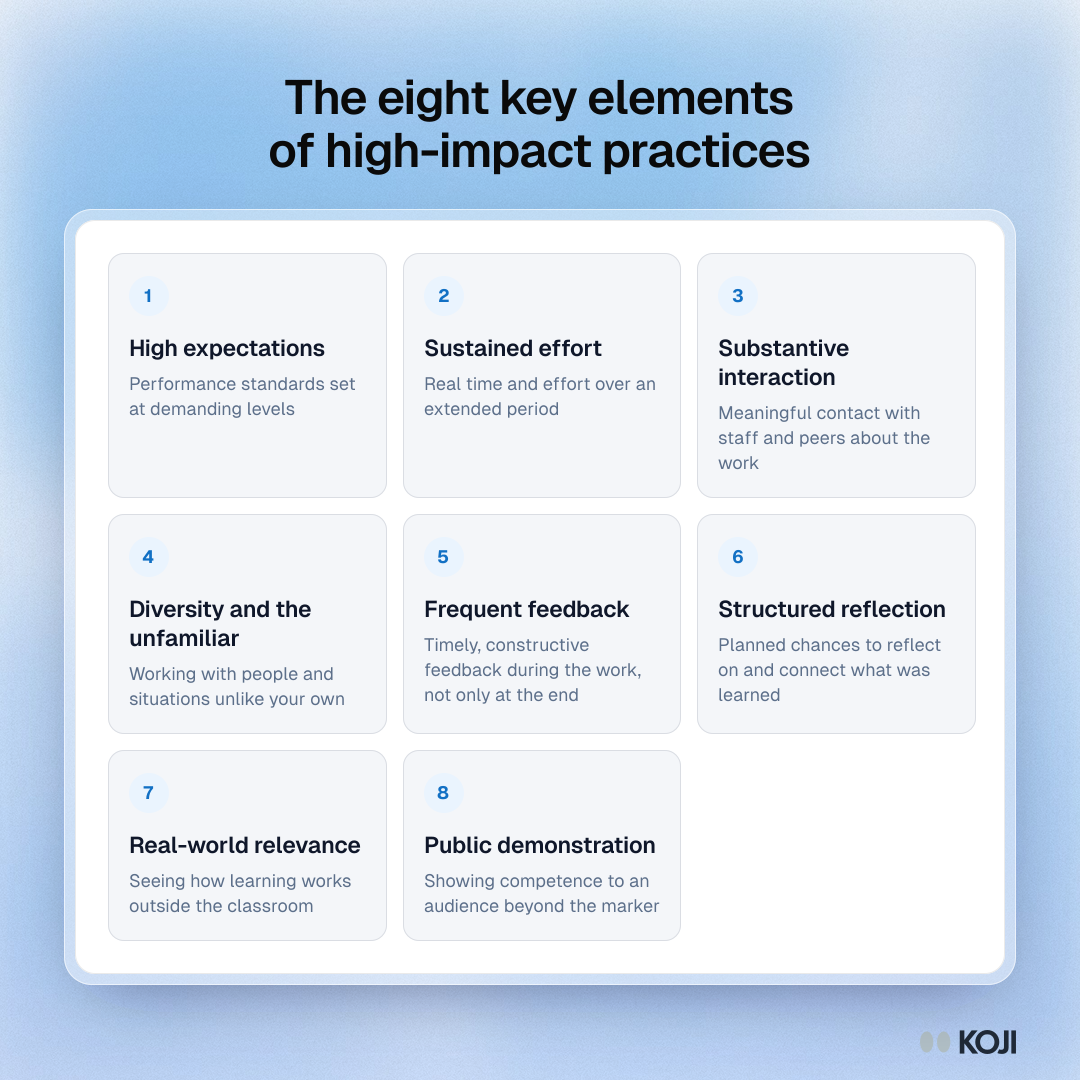
Framework of the eight key elements of high-impact practices, including high expectations, sustained effort, feedback and structured reflection.

Framework

The eight key elements of high-impact practices
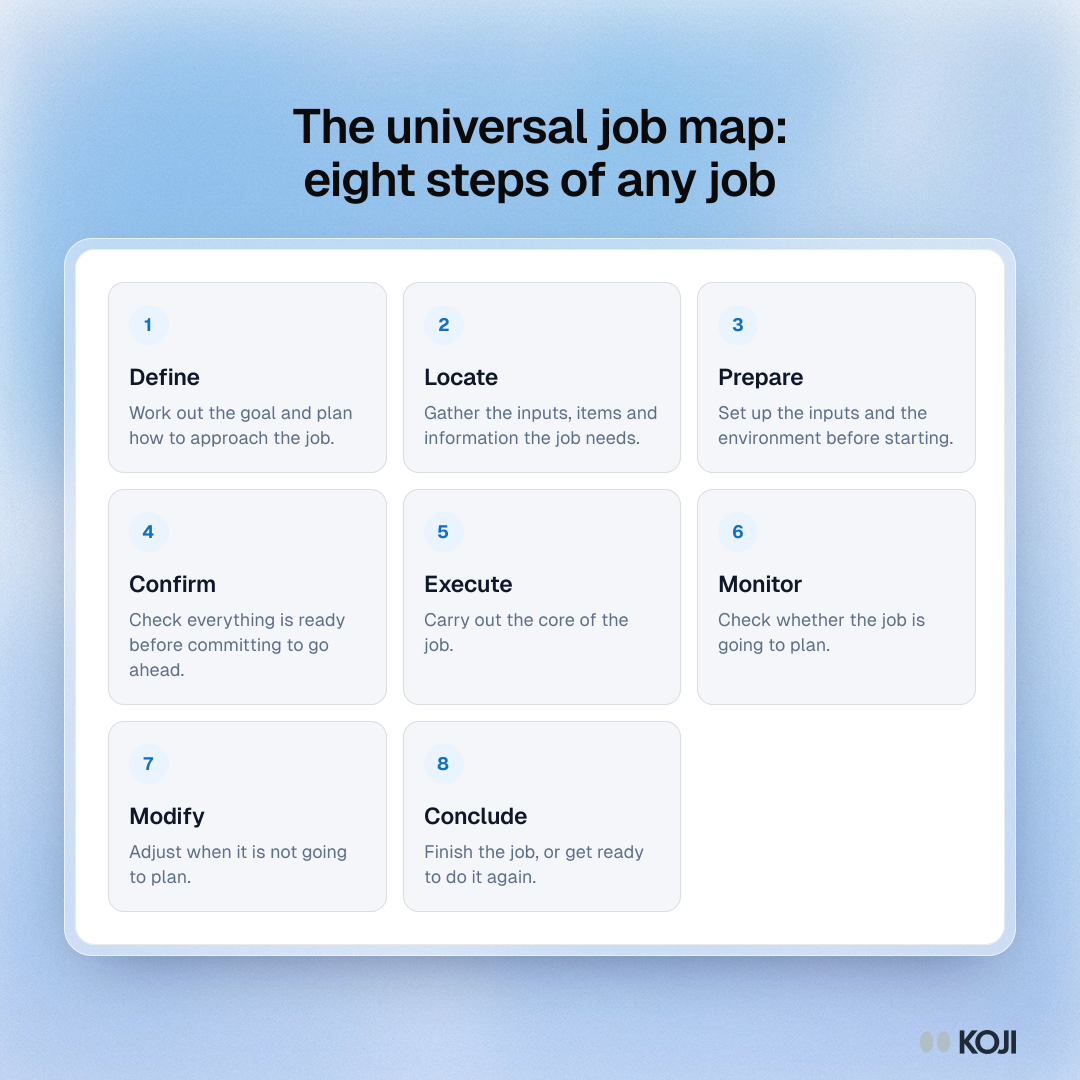
Framework showing the eight steps of the universal job map: define, locate, prepare, confirm, execute, monitor, modify and conclude.

Framework

The universal job map: eight steps of any job
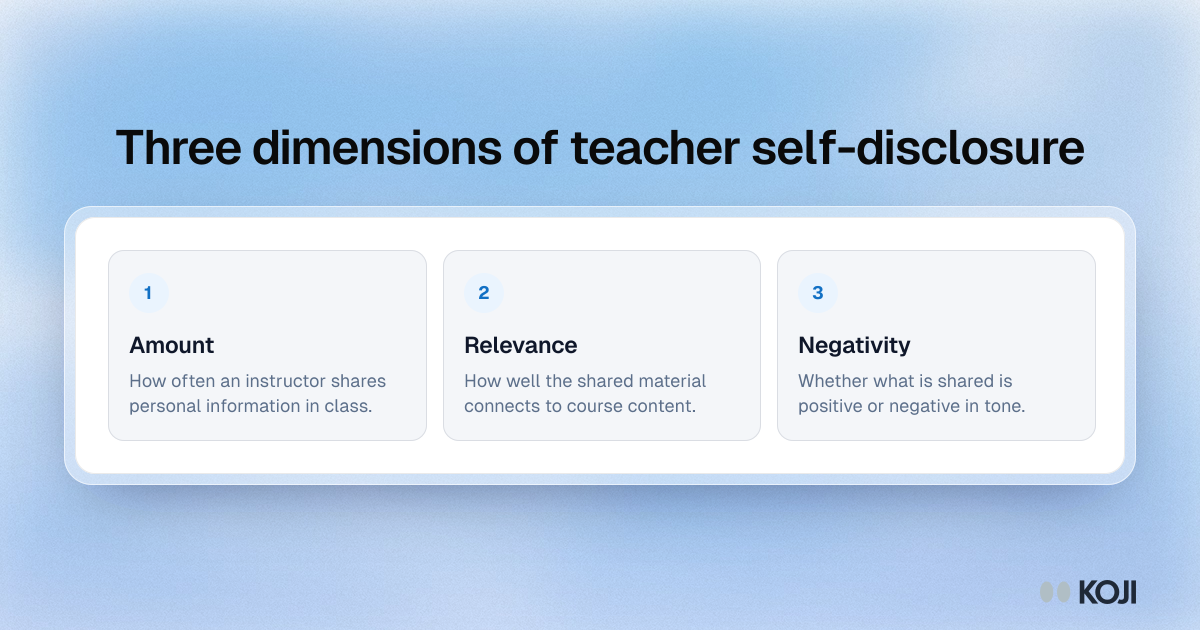
Framework showing three dimensions of teacher self-disclosure: amount, relevance and negativity, as defined by Cayanus and Martin (2008).

Framework

Three dimensions of teacher self-disclosure
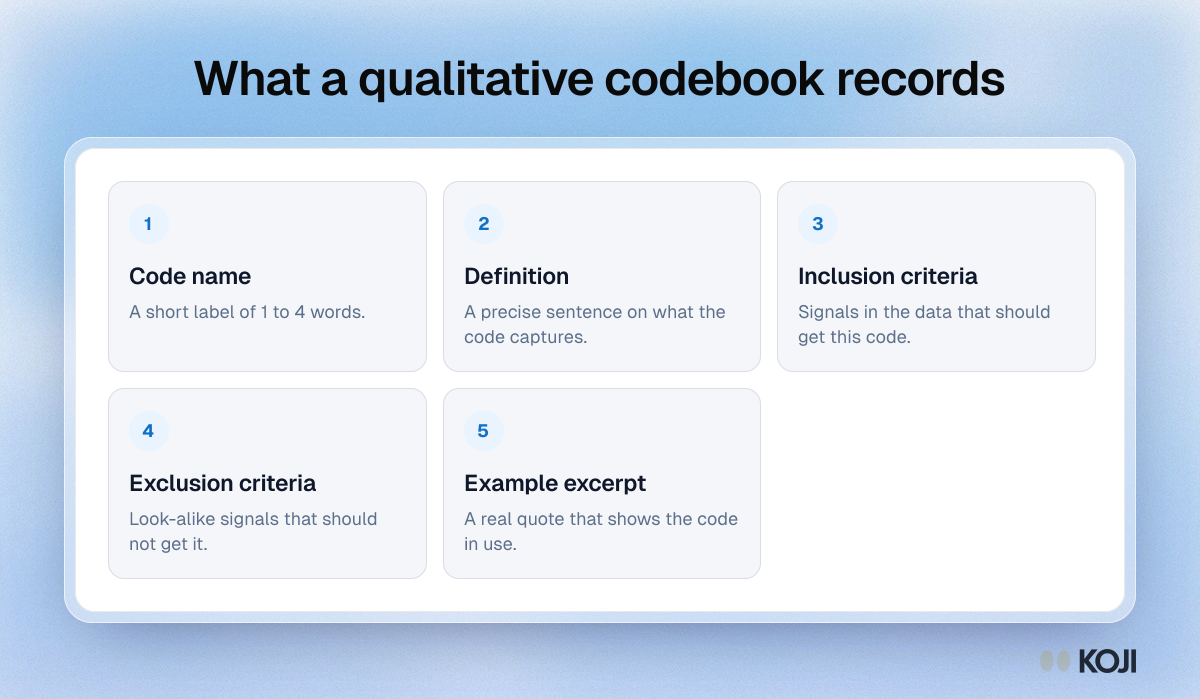
Framework listing the five columns of a qualitative codebook: code name, definition, inclusion criteria, exclusion criteria and an example excerpt.

Framework

What a qualitative codebook records
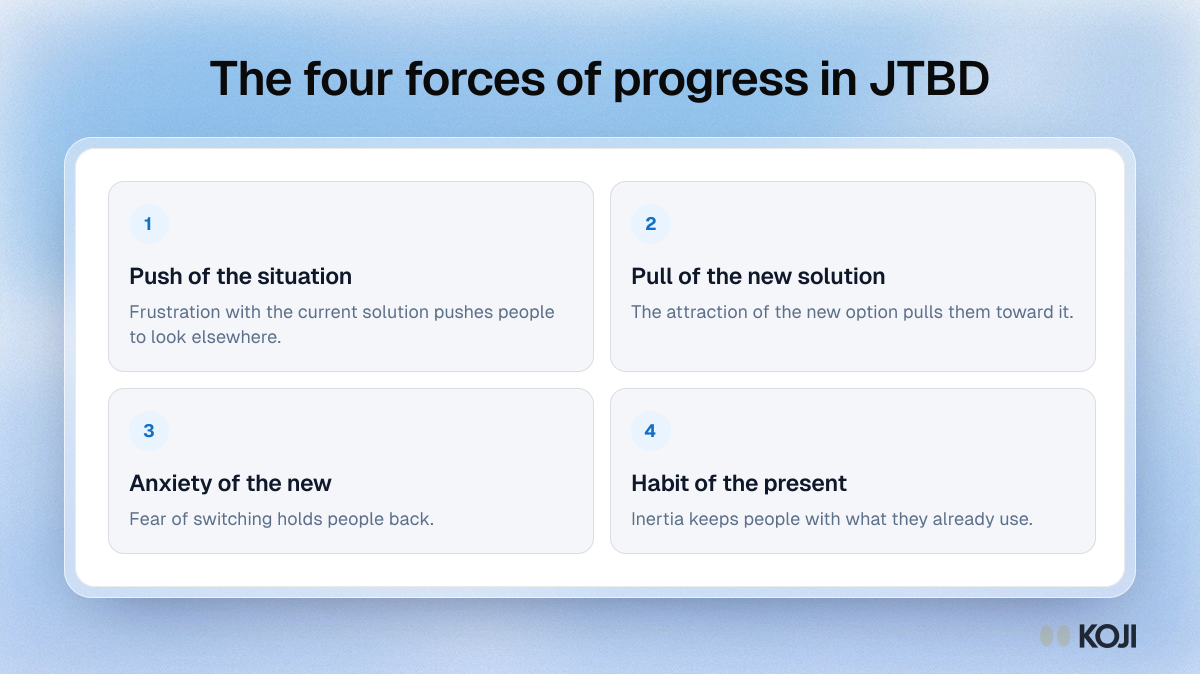
Framework of the four forces of progress in Jobs to Be Done: push of the situation, pull of the new solution, anxiety of the new and habit of the present.

Framework

The four forces of progress in JTBD
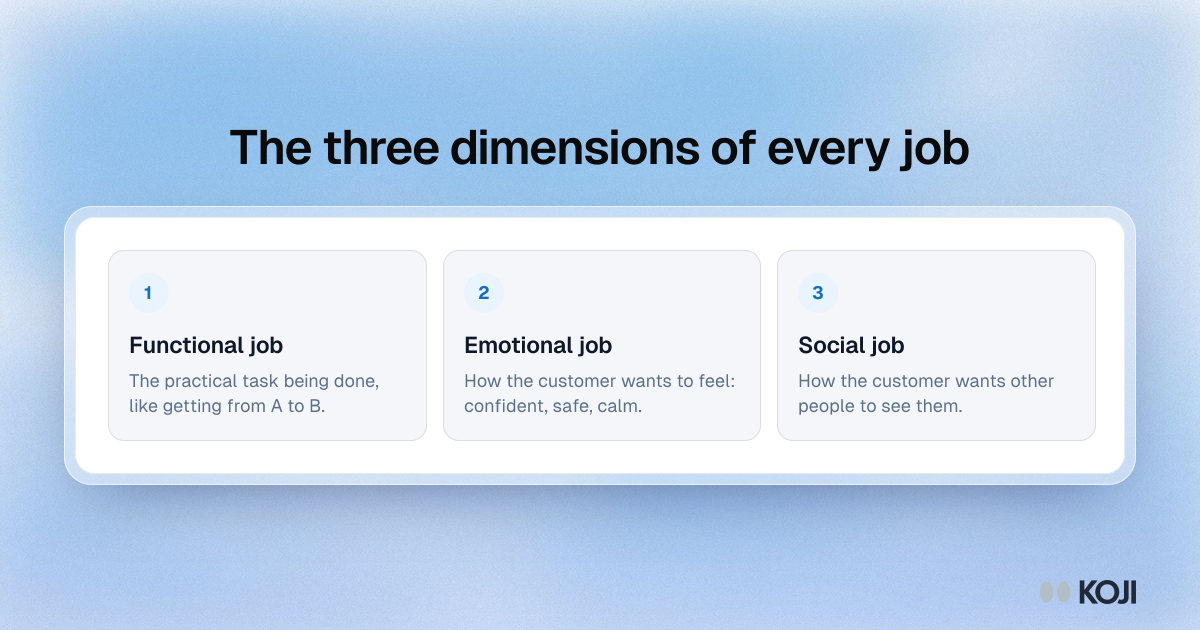
Framework showing the three dimensions of a job in Jobs to Be Done: the functional job, the emotional job and the social job.

Framework

The three dimensions of every job

123

Keep exploring

  • Blog

    Guides and playbooks for running customer research.

  • Docs

    How to set up studies, interviews and reports in Koji.

  • Use cases

    How product, research and founder teams use Koji.

  • Price testing

    Find the price that earns the most, and why people pay it.

Koji

AI-native customer research. Made in Amsterdam, built by researchers.

Product

  • How it works
  • Capabilities
  • Price testing
  • Usability testing
  • Pricing
  • Enterprise
  • Docs
  • Frameworks & cheat sheets

For teams

  • Product managers
  • Researchers
  • Founders
  • Marketing
  • Agencies
  • Use case library

Company

  • About
  • Blog
  • Careers
  • Press
  • Contact

Legal

  • Privacy
  • Terms
  • Security
  • Compliance
GDPRGDPRCompliantUSHIPAABAAHIPAABAA availableAUDITSOC 2TYPE IISOC 2 Type IIControls verified by AikidoISO/IEC270012022ISO 27001:2022Controls verified by AikidoCSFHITRUSTAUDITHITRUSTControls verified by Aikido
© 2026 Koji Labs B.V.GDPR-compliant · EU data residency · No AI training on your data