Free to save and share

Frameworks and cheat sheets for customer research

Every framework, checklist and comparison from our guides, as an image you can download, drop into a deck or share with your team.
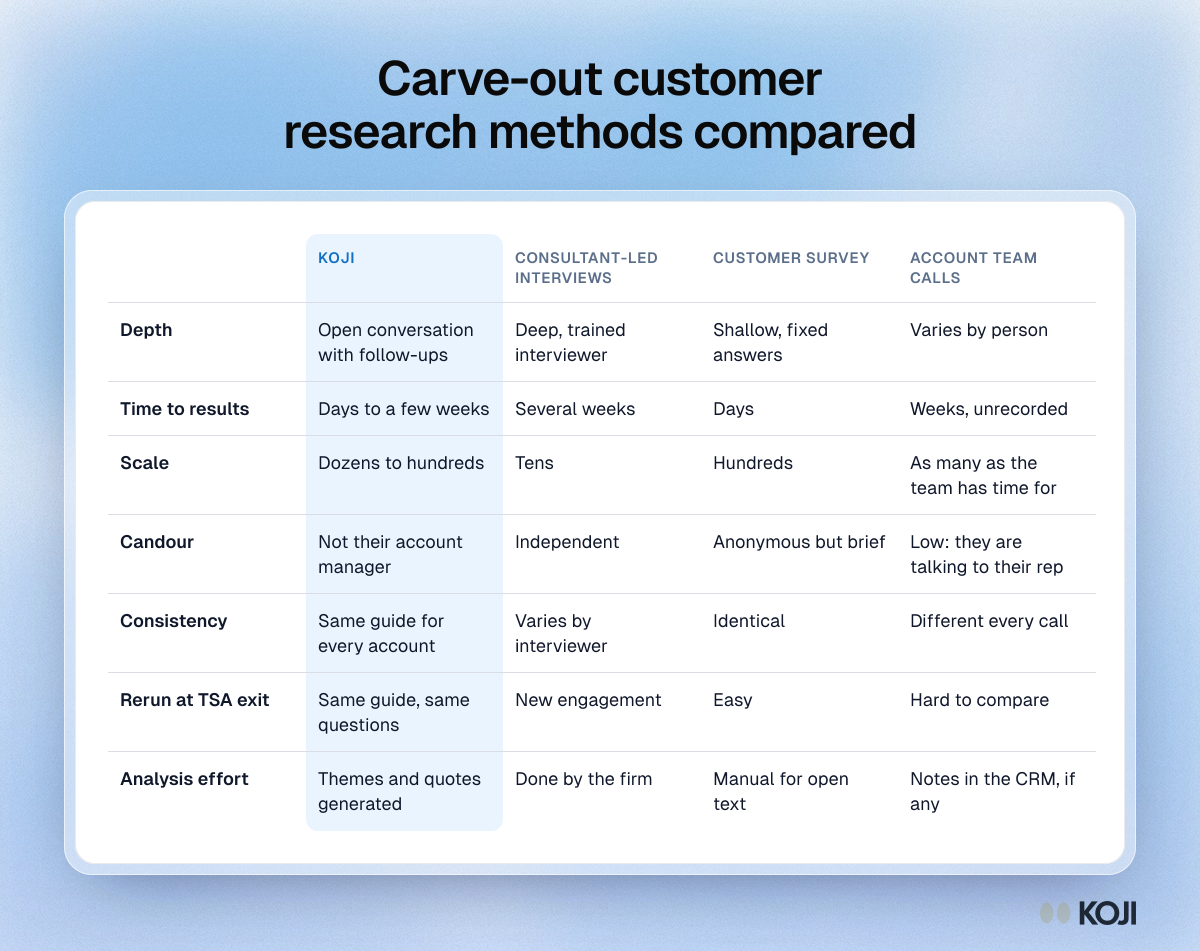
Table comparing Koji with consultant-led interviews, a customer survey and account team calls for carve-out customer research

Reference table

Carve-out customer research methods compared
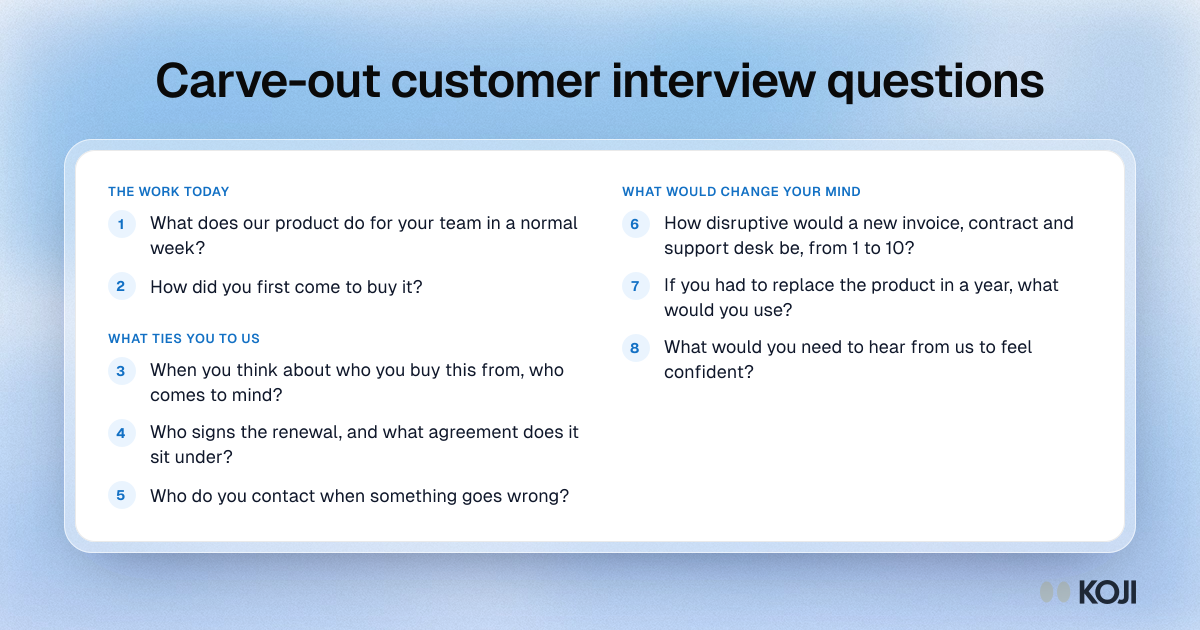
Question bank of eight carve-out customer interview questions in three groups: the work today, what ties you to us, what would change your mind

Question bank

Carve-out customer interview questions
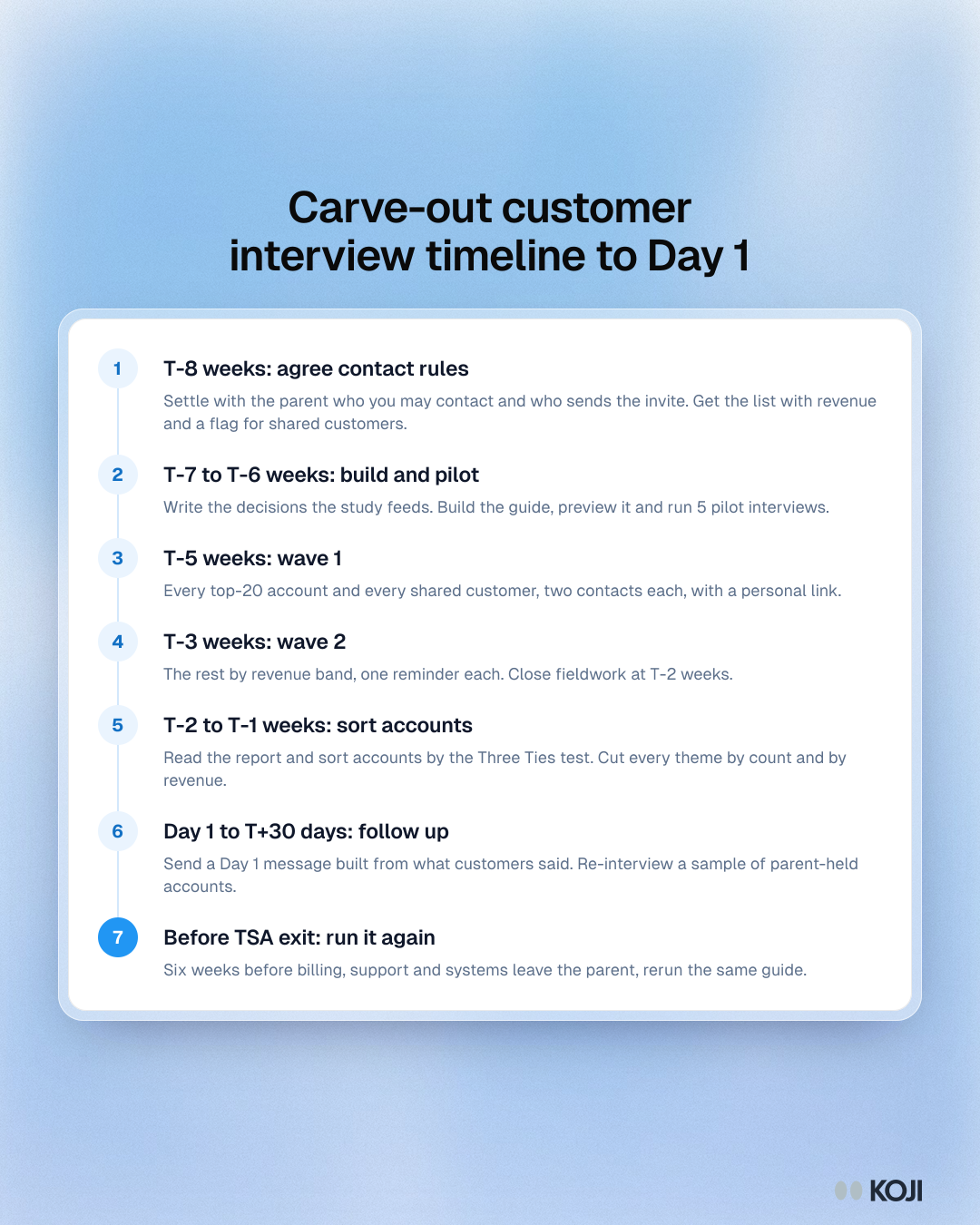
Process showing the carve-out customer interview timeline from eight weeks before Day 1 to a rerun before the TSA ends

Process

Carve-out customer interview timeline to Day 1
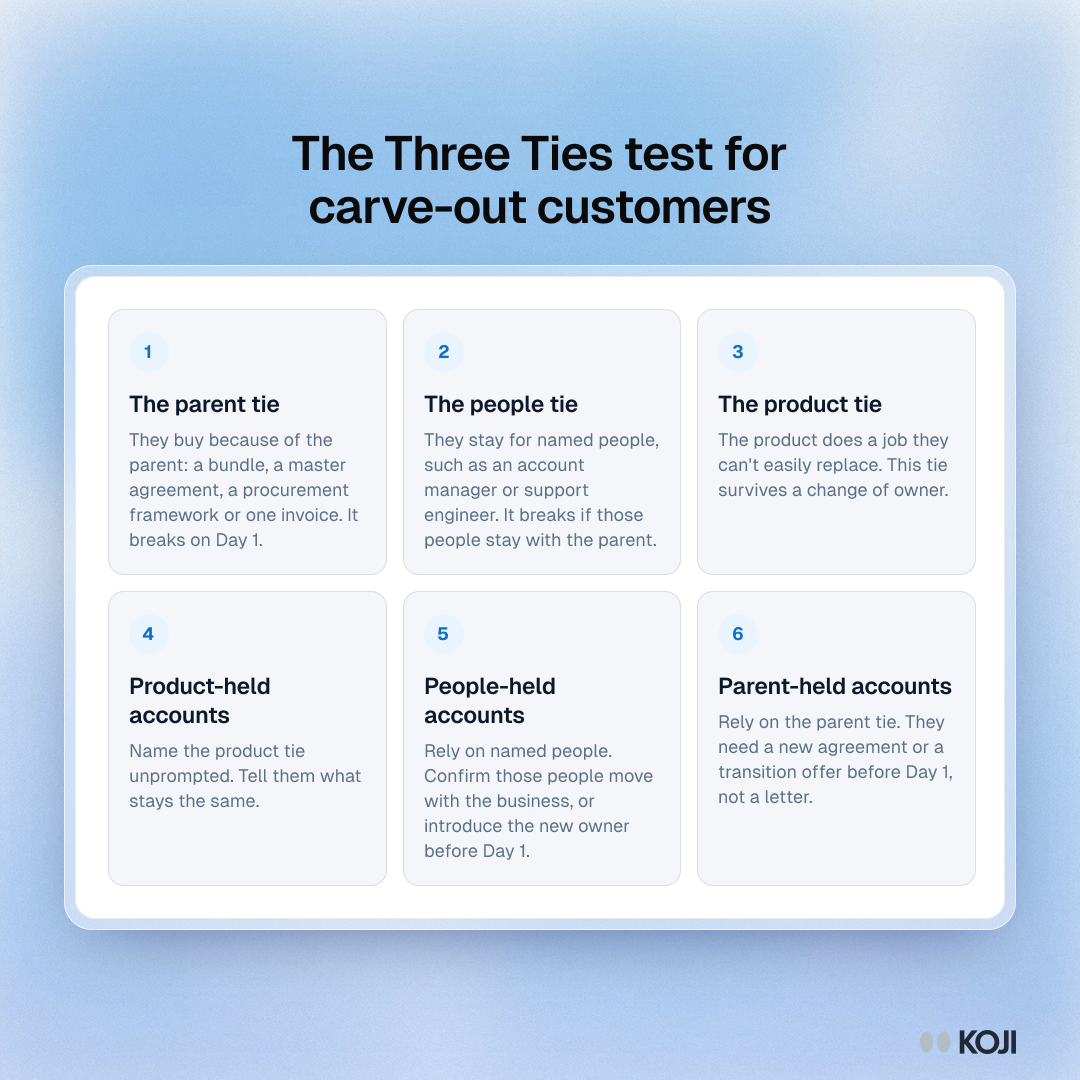
Framework of the Three Ties test for carve-out customers: the parent tie, the people tie and the product tie, and the three account groups

Framework

The Three Ties test for carve-out customers
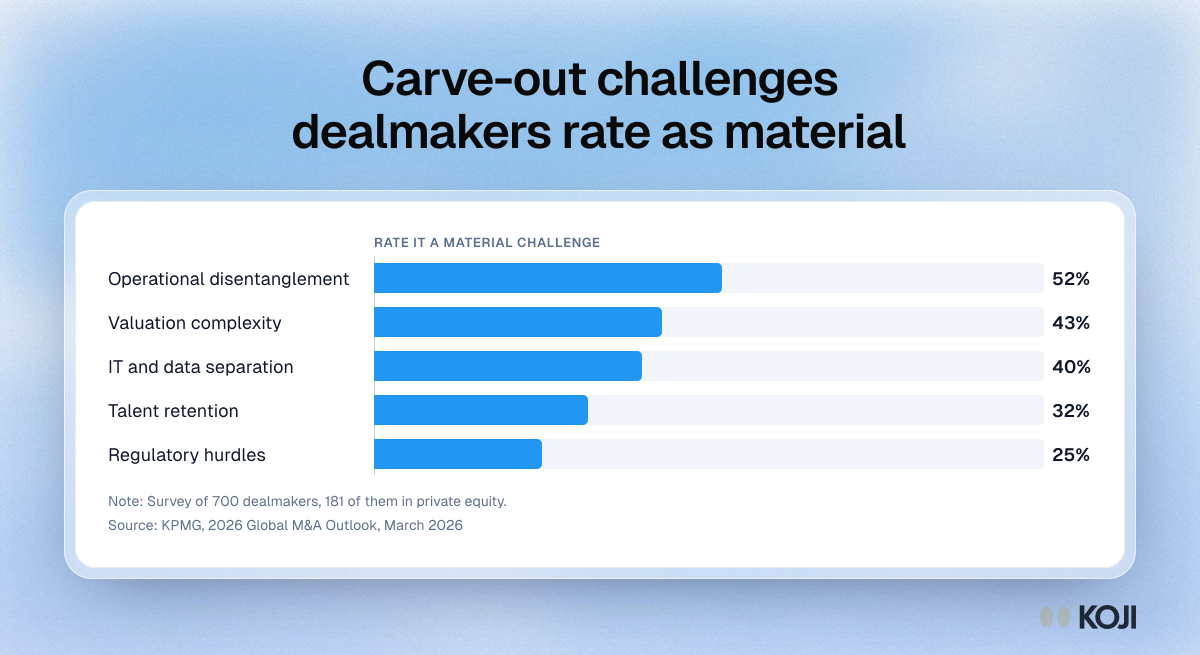
Bar chart of carve-out challenges dealmakers rate as material, led by operational disentanglement at 52%, with no customer item on the list

Bar chart

Carve-out challenges dealmakers rate as material
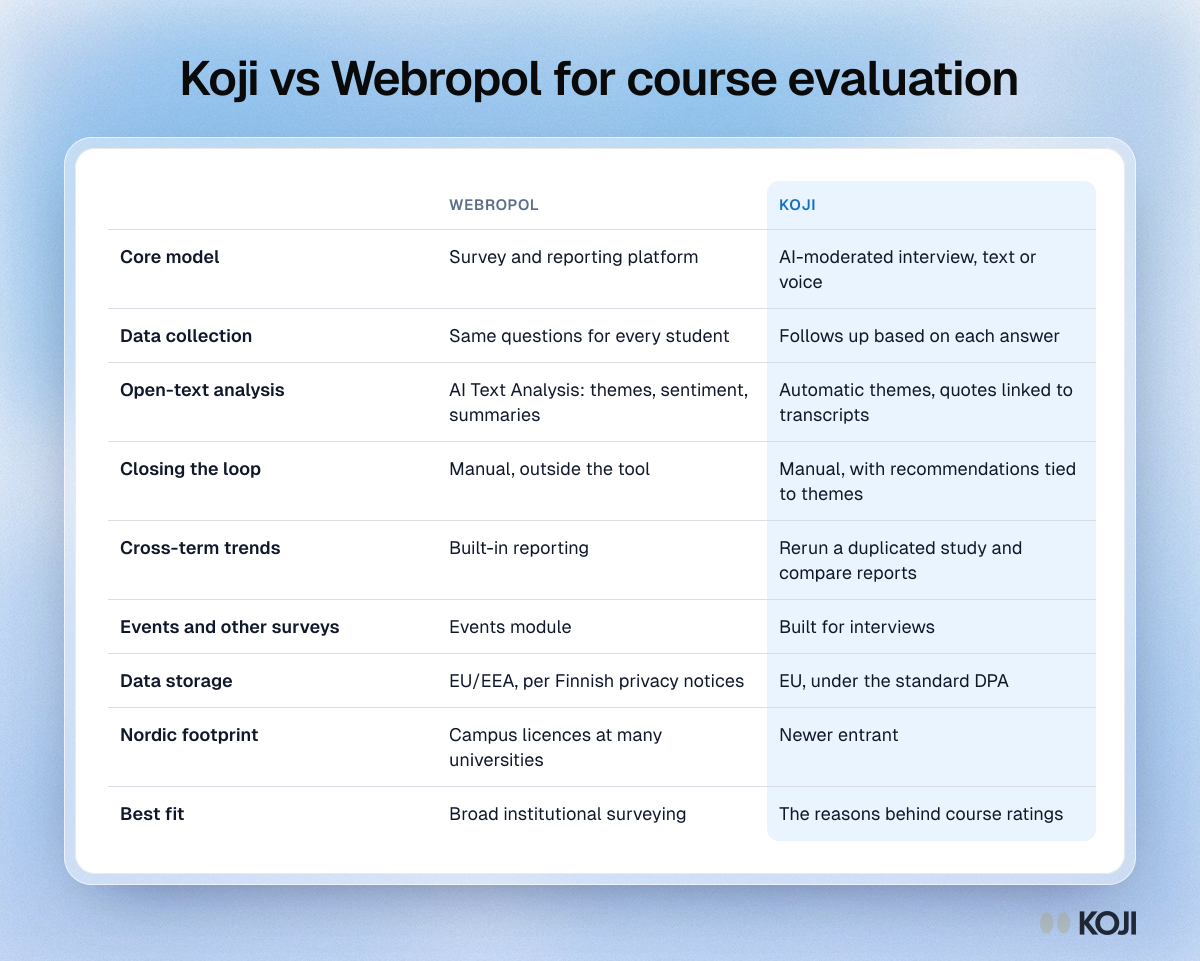
Comparison table of Koji and Webropol for course evaluation across data collection, open-text analysis, closing the loop and data residency.

Reference table

Koji vs Webropol for course evaluation
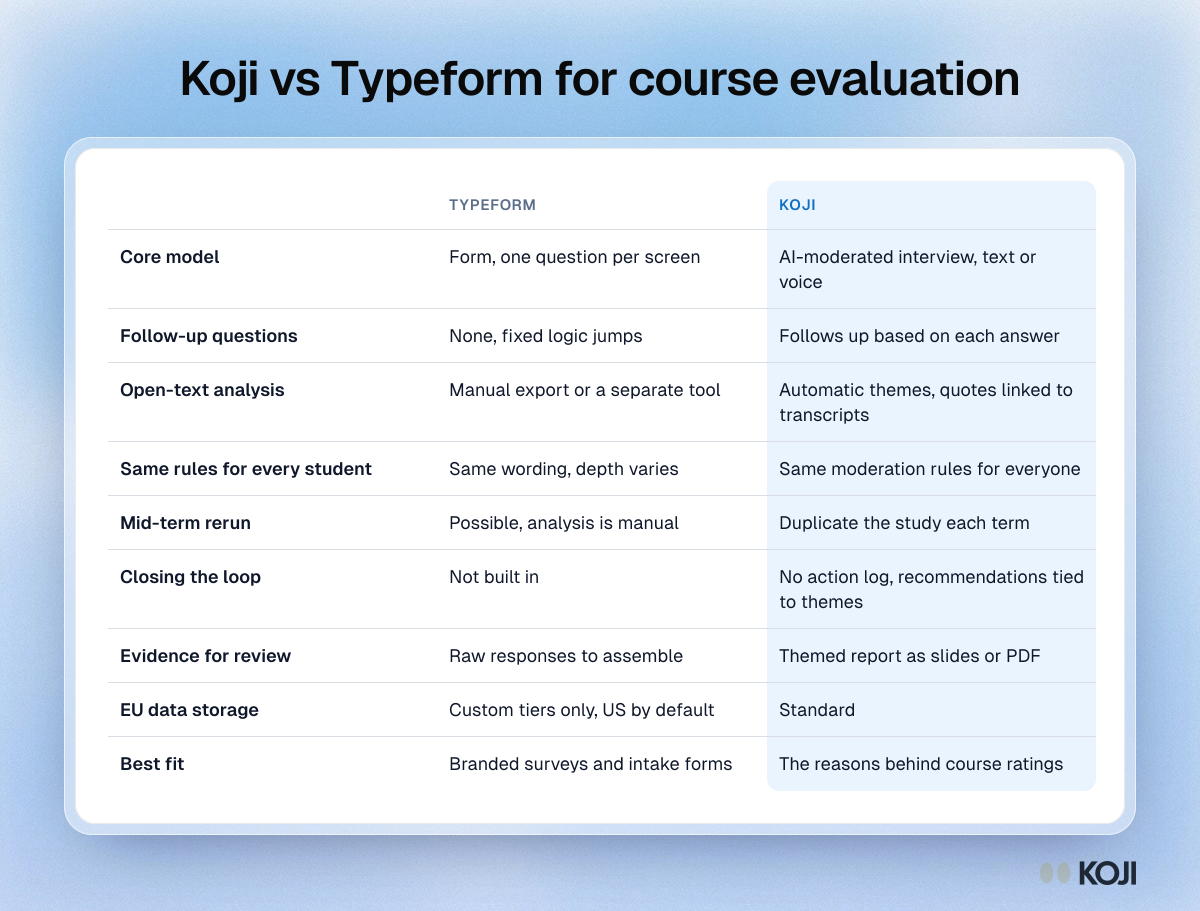
Comparison table of Koji and Typeform for course evaluation across follow-up probing, analysis, closing the loop and EU data storage.

Reference table

Koji vs Typeform for course evaluation
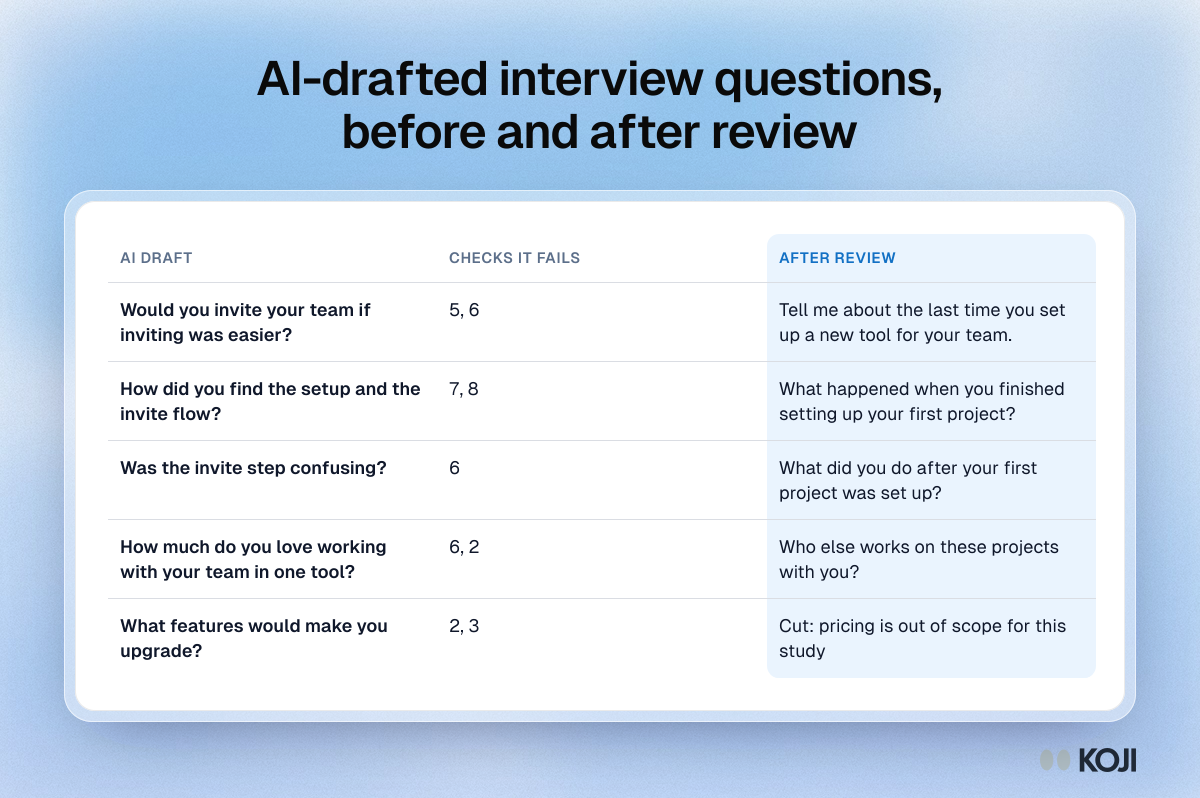
Table of five AI-drafted interview questions about trial users, the review checks each one fails and the rewritten question after review.

Reference table

AI-drafted interview questions, before and after review
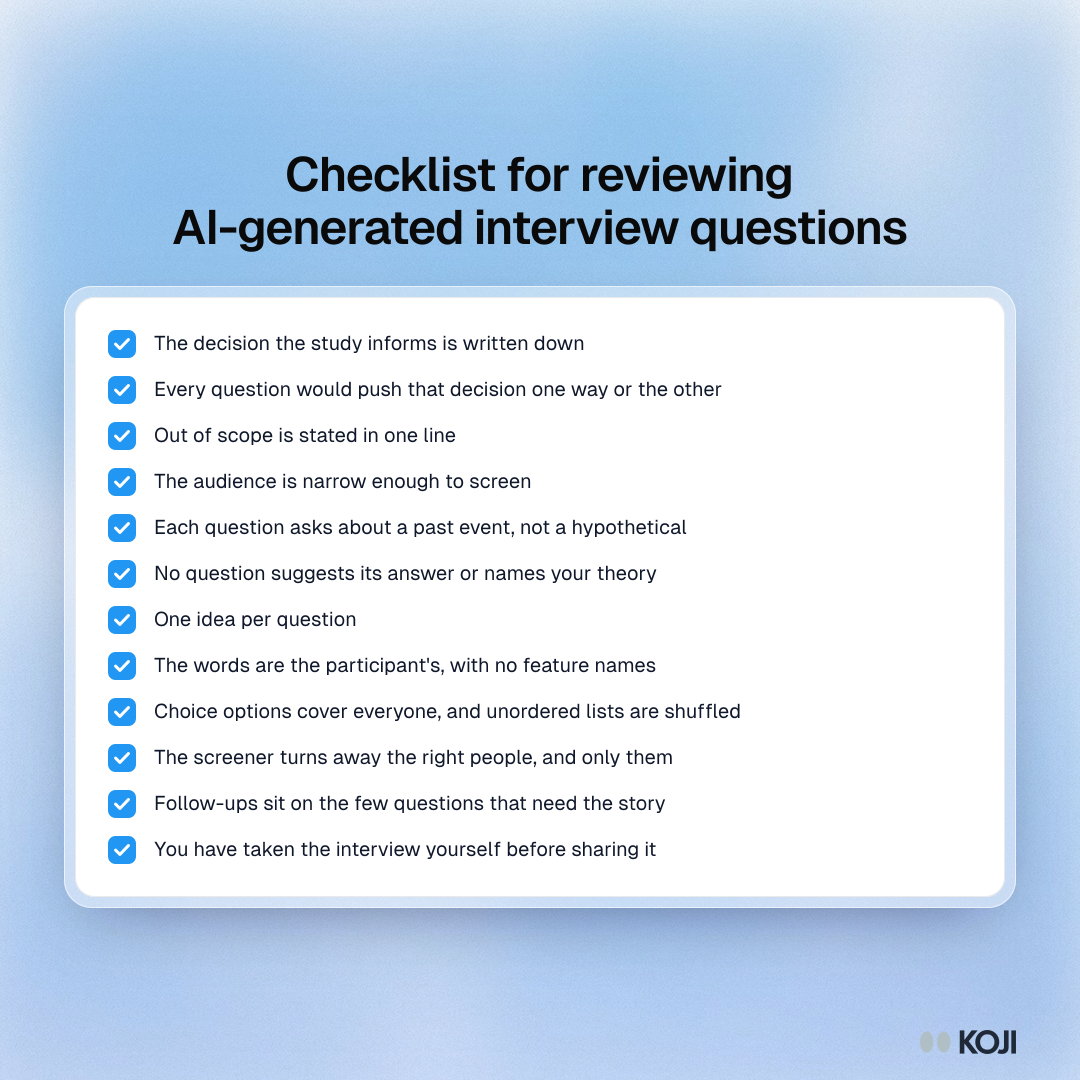
Checklist of 12 checks for AI-generated interview questions, from naming the decision and asking about the past to screening, follow-up depth and a preview.

Checklist

Checklist for reviewing AI-generated interview questions
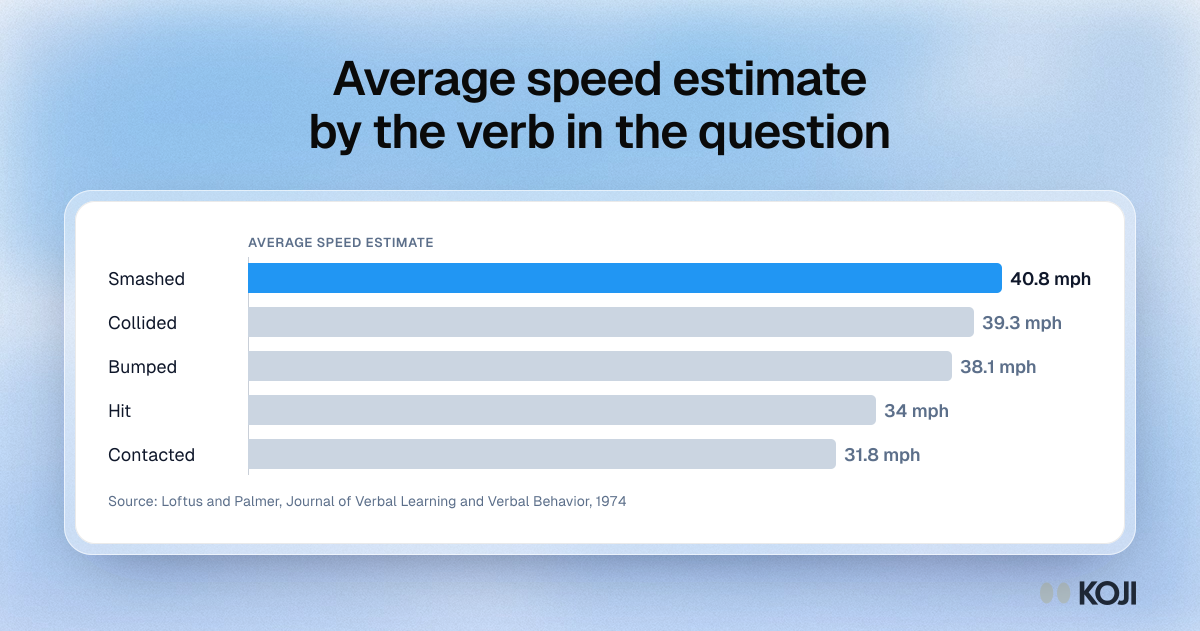
Bar chart of average speed estimates by verb in Loftus and Palmer's 1974 experiment, from 40.8 mph for smashed to 31.8 mph for contacted.

Bar chart

Average speed estimate by the verb in the question
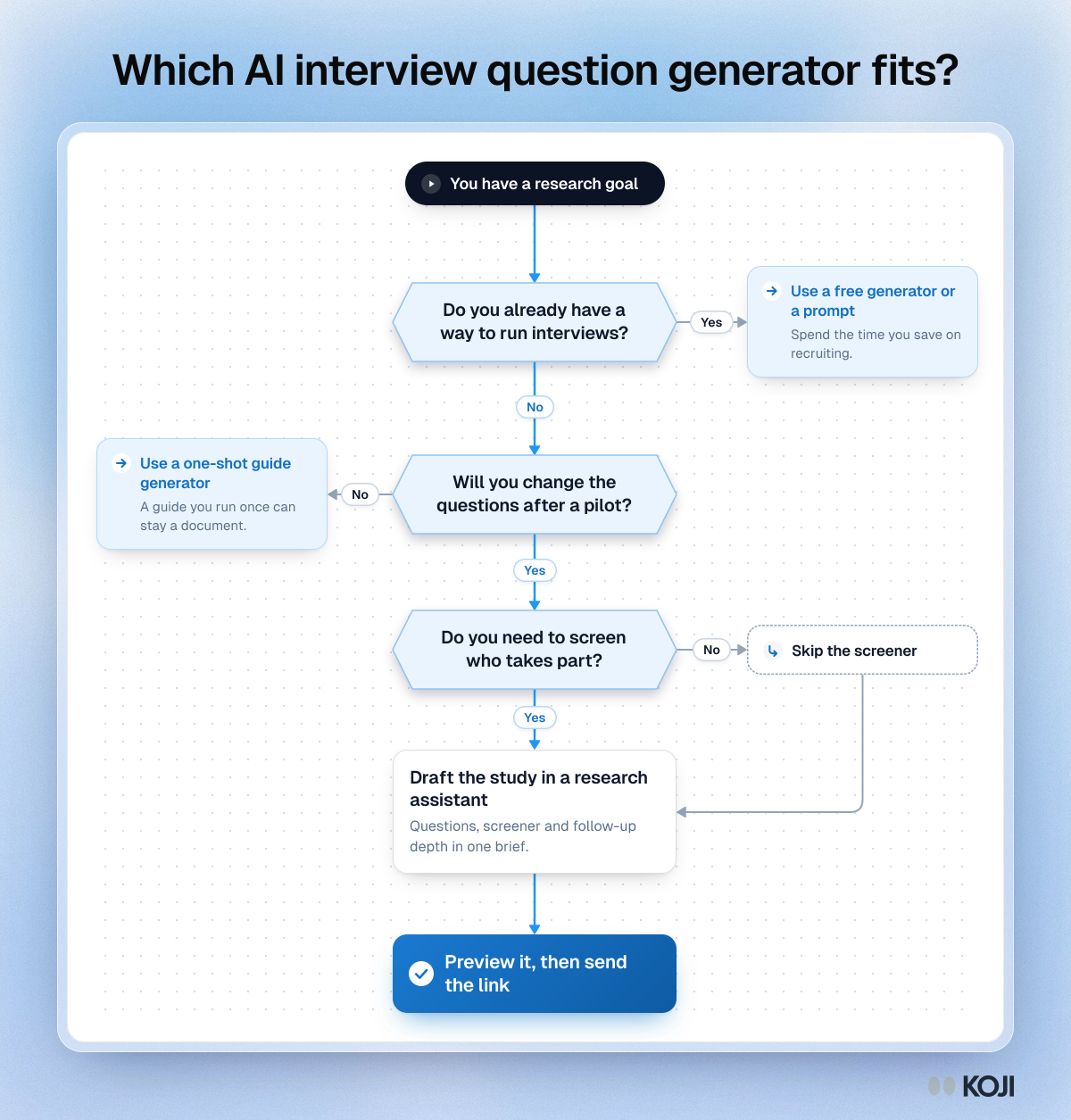
Flowchart for choosing an AI interview question generator: three questions, two exits and one side step, ending in a preview before you send the link.

Flowchart

Which AI interview question generator fits?
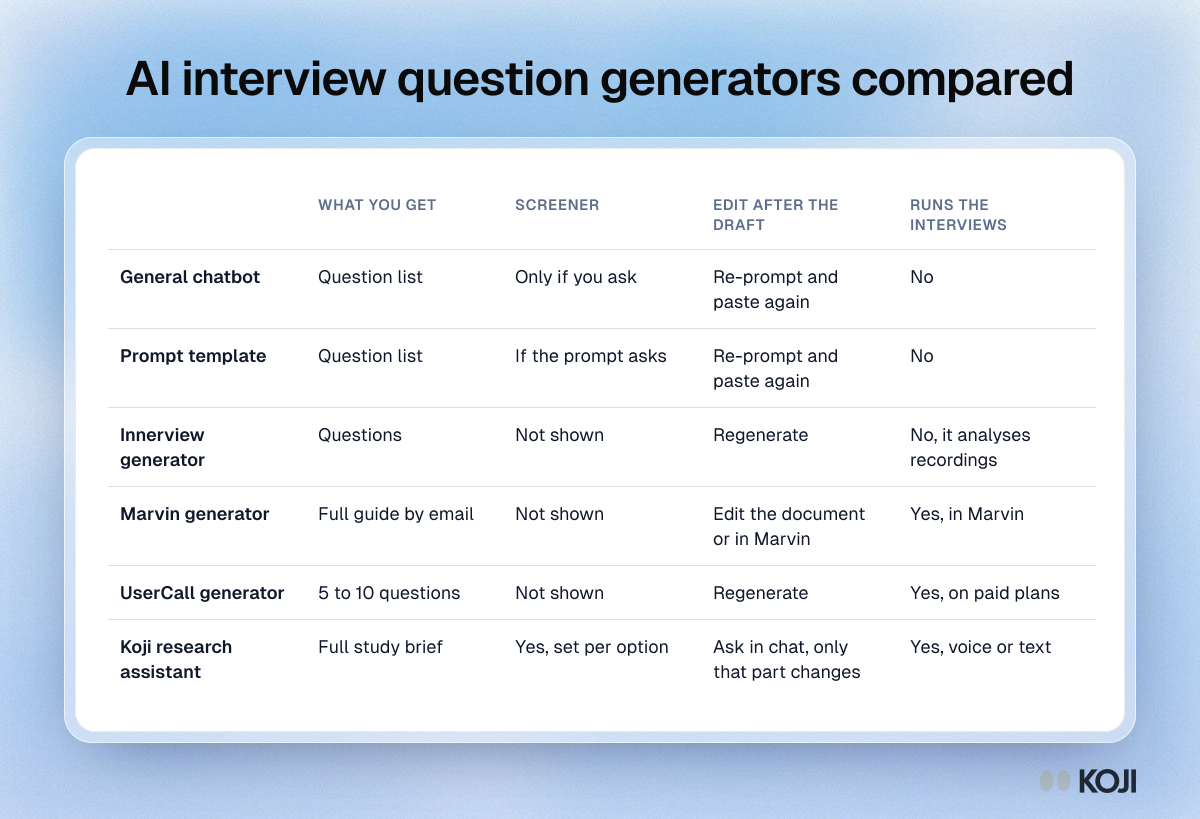
Table comparing six AI interview question generator routes by output, screener, editing after the draft and whether they run the interviews.

Reference table

AI interview question generators compared
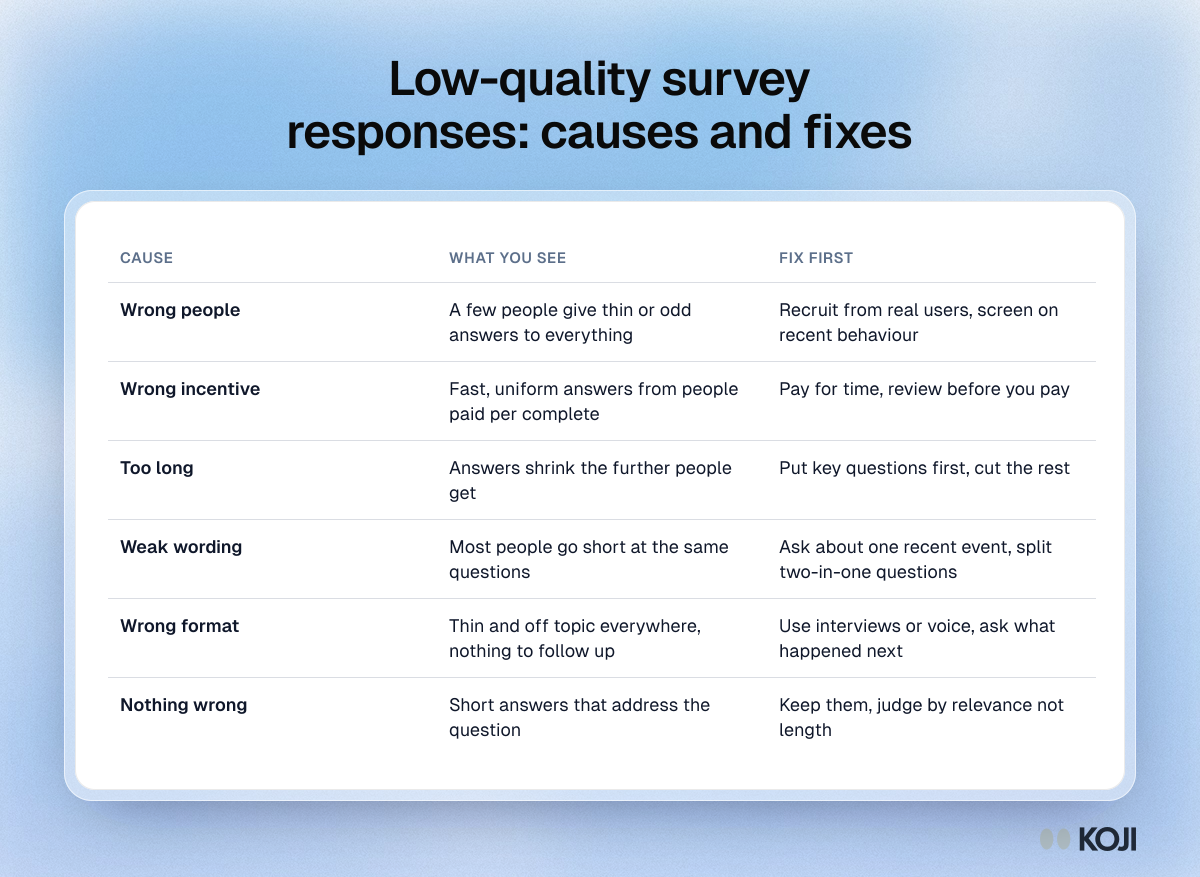
Table of six causes of low-quality survey responses, what each looks like in your data and the first fix for each.

Reference table

Low-quality survey responses: causes and fixes
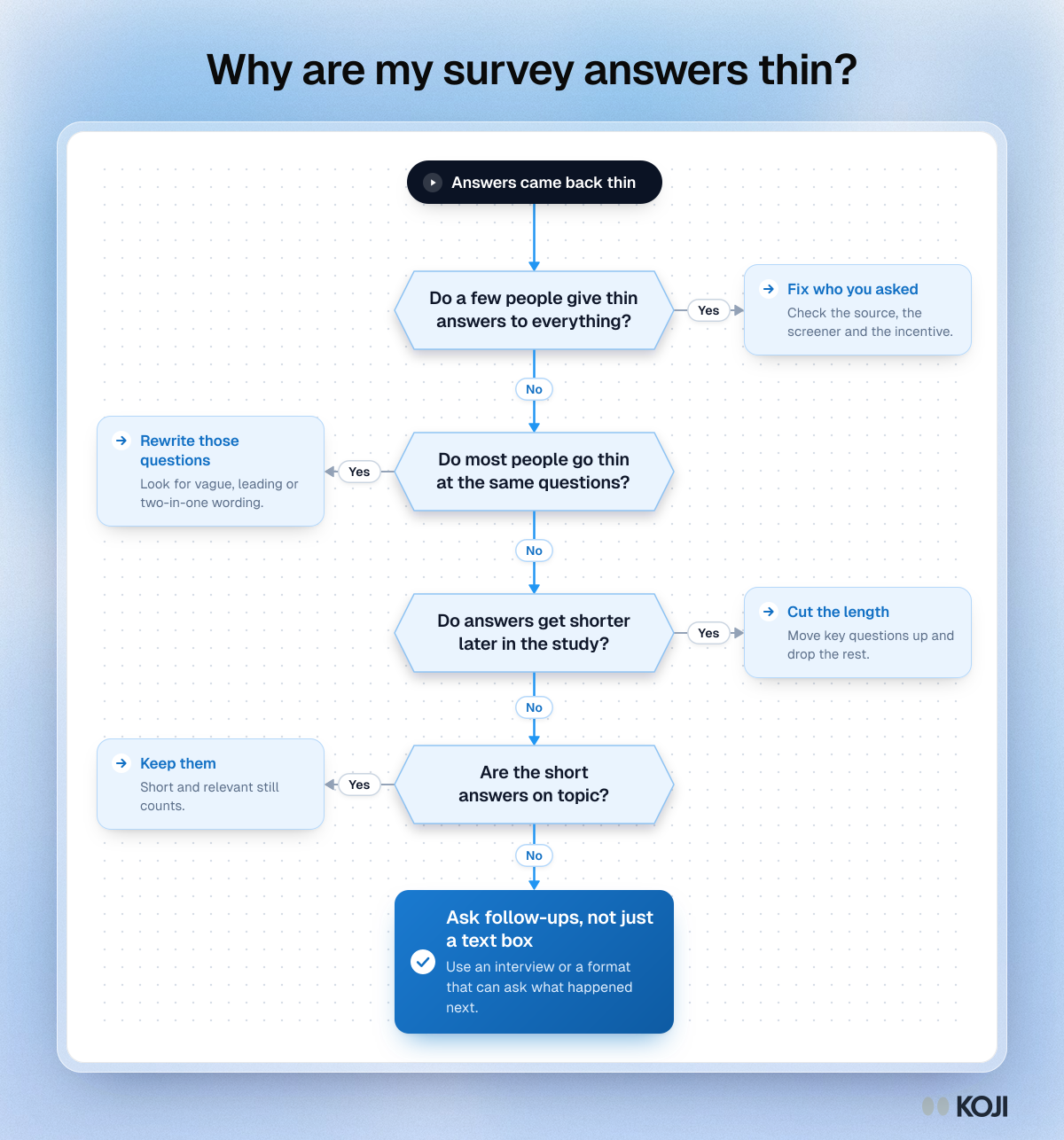
Flowchart for diagnosing thin survey answers: four yes or no questions on who, which questions, how late and relevance, ending in follow-ups.

Flowchart

Why are my survey answers thin?
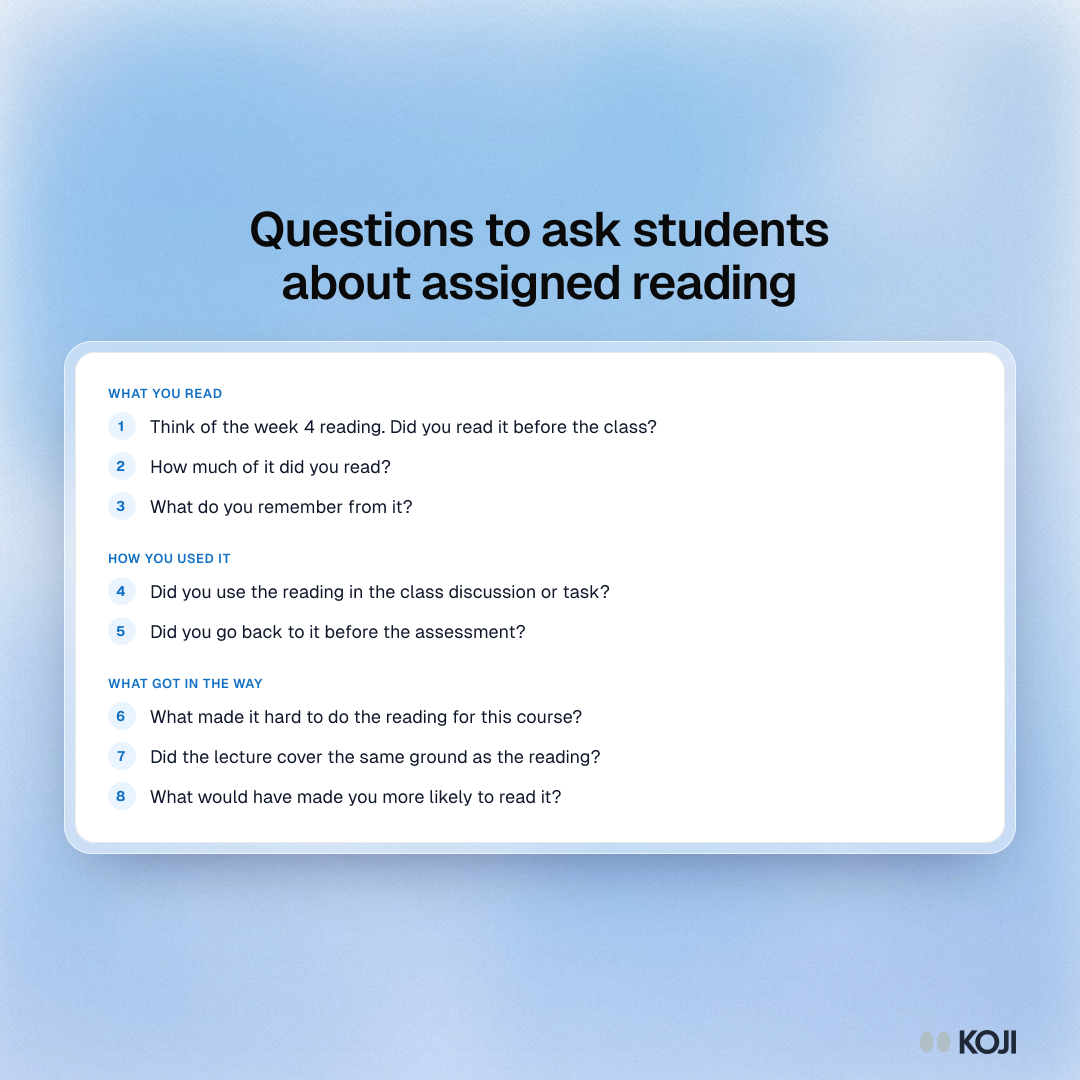
Question bank with eight course evaluation questions about assigned reading, in three sections: what you read, how you used it, what got in the way.

Question bank

Questions to ask students about assigned reading
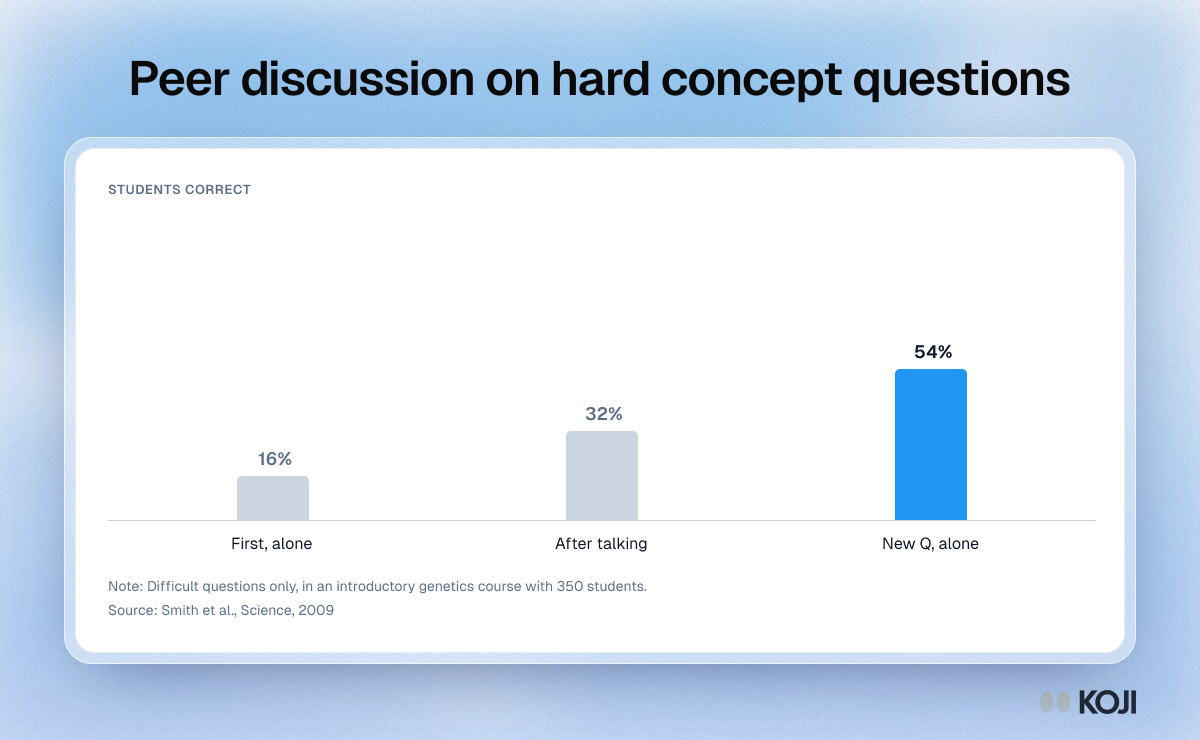
Column chart of difficult concept questions: 16% correct answering alone, 32% after peer discussion, and 54% on a new question answered alone.

Column chart

Peer discussion on hard concept questions
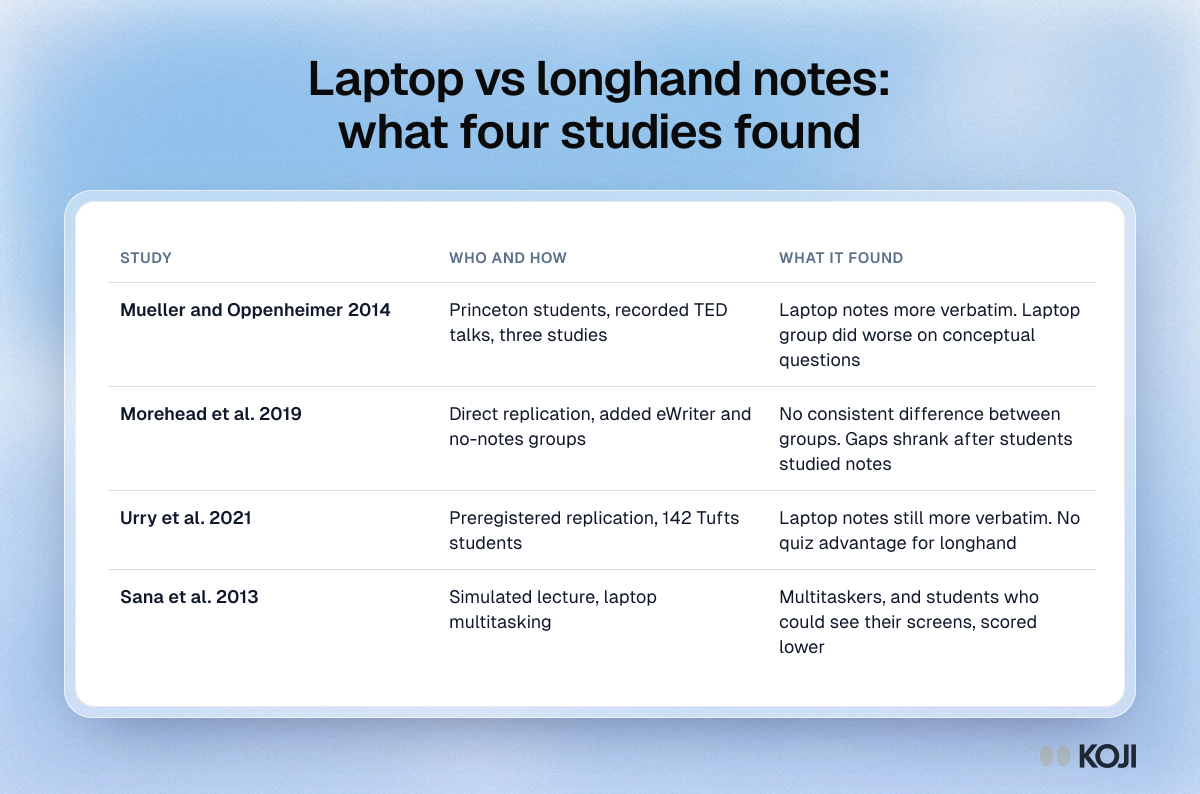
Table comparing four note-taking studies: Mueller and Oppenheimer 2014, Morehead 2019, Urry 2021 and the Sana 2013 laptop distraction study.

Reference table

Laptop vs longhand notes: what four studies found
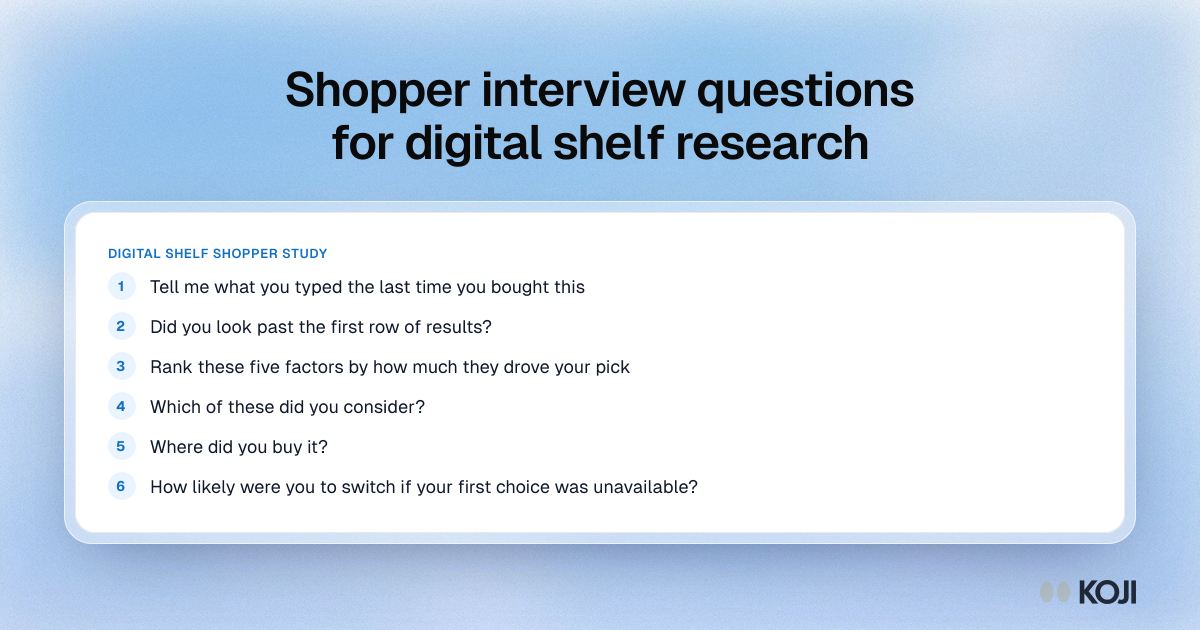
Question bank with six shopper questions for digital shelf research, from the exact words they searched to how likely they were to switch brands.

Question bank

Shopper interview questions for digital shelf research
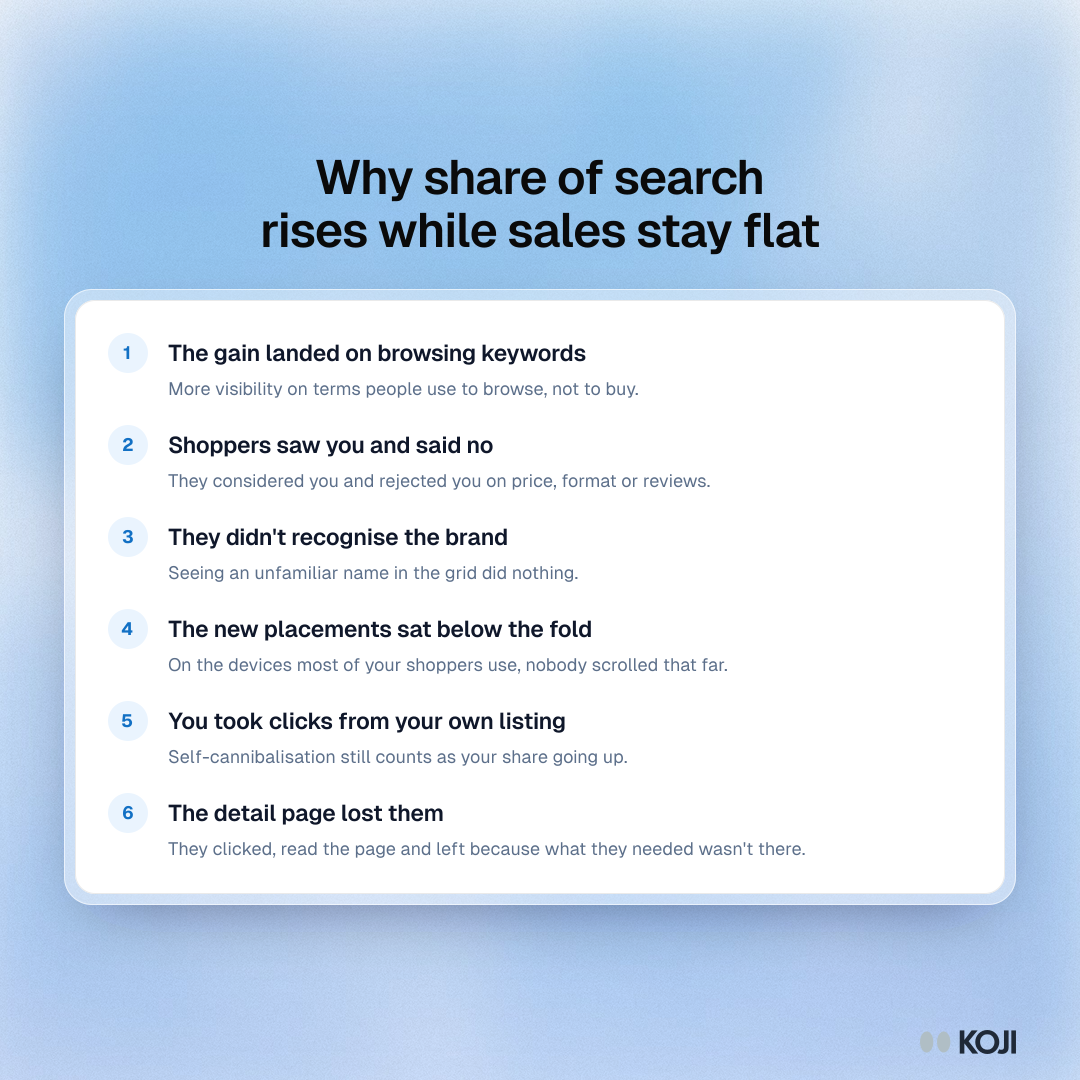
List of six reasons share of search can rise while sales stay flat, from browsing keywords to self-cannibalisation and a weak product page.

Guide

Why share of search rises while sales stay flat
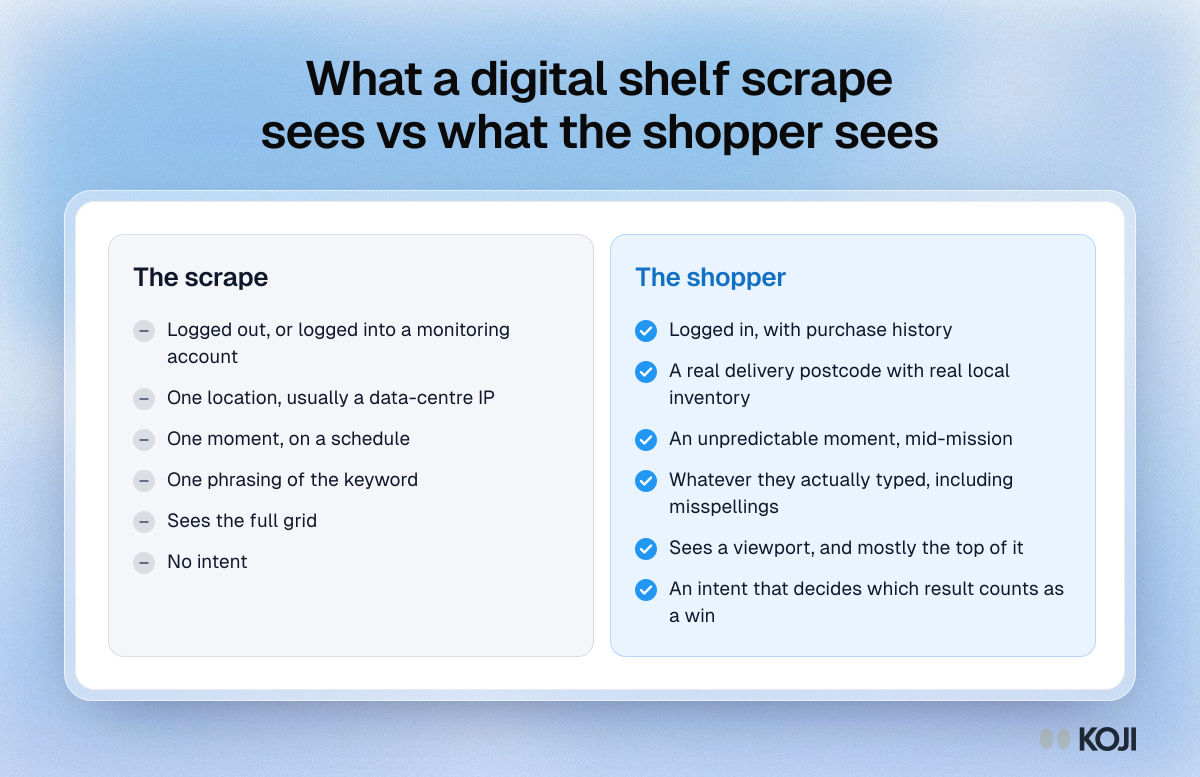
Comparison of a digital shelf scrape and a real shopper across login, location, timing, search phrasing, how much of the grid they see and intent.

Comparison

What a digital shelf scrape sees vs what the shopper sees
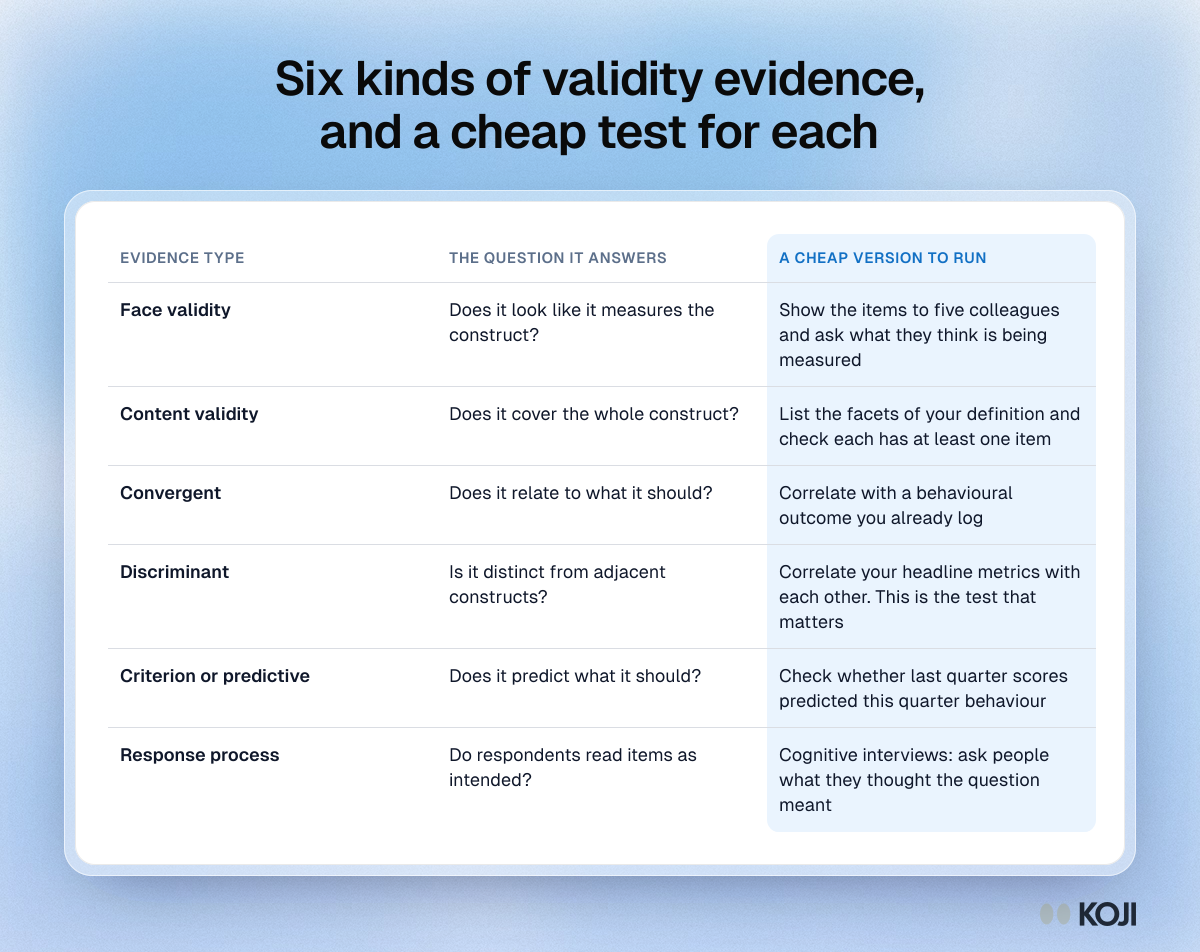
Table of six kinds of construct validity evidence, from face validity to response process, with the question each answers and a cheap way to test it.

Reference table

Six kinds of validity evidence, and a cheap test for each
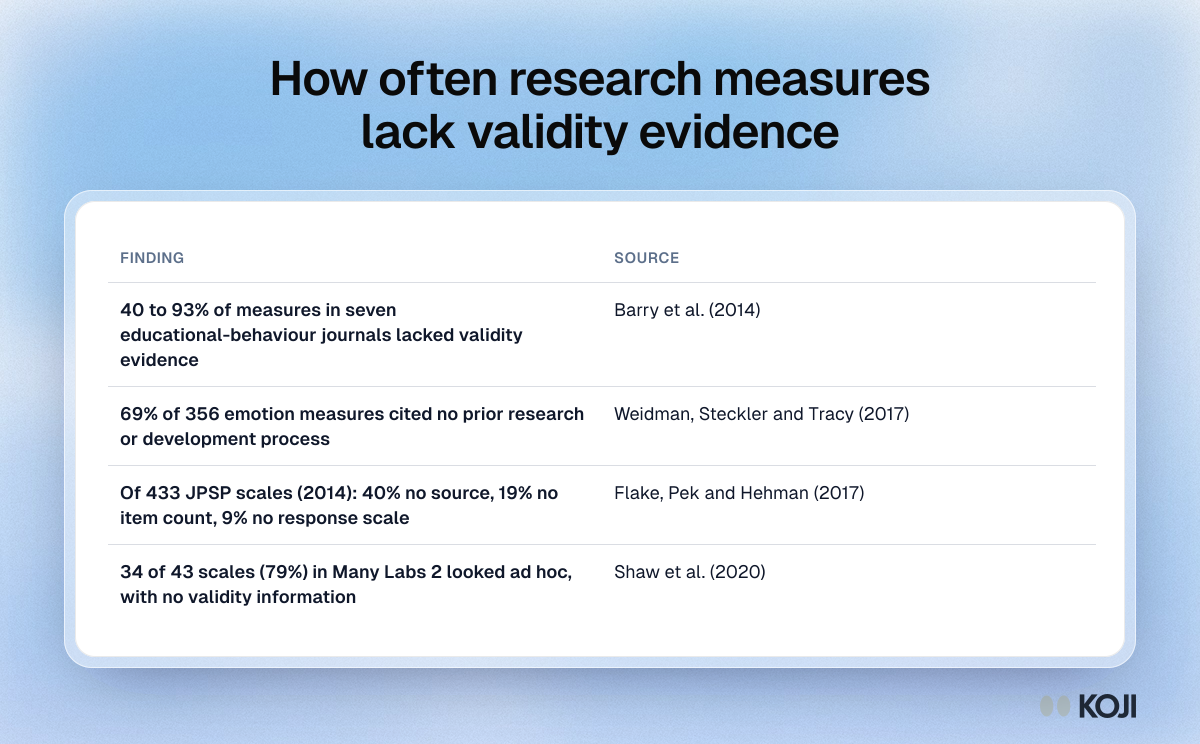
Table of four metascience findings on measurement, including 40 to 93% of measures lacking validity evidence and 79% of Many Labs 2 scales looking ad hoc.

Reference table

How often research measures lack validity evidence
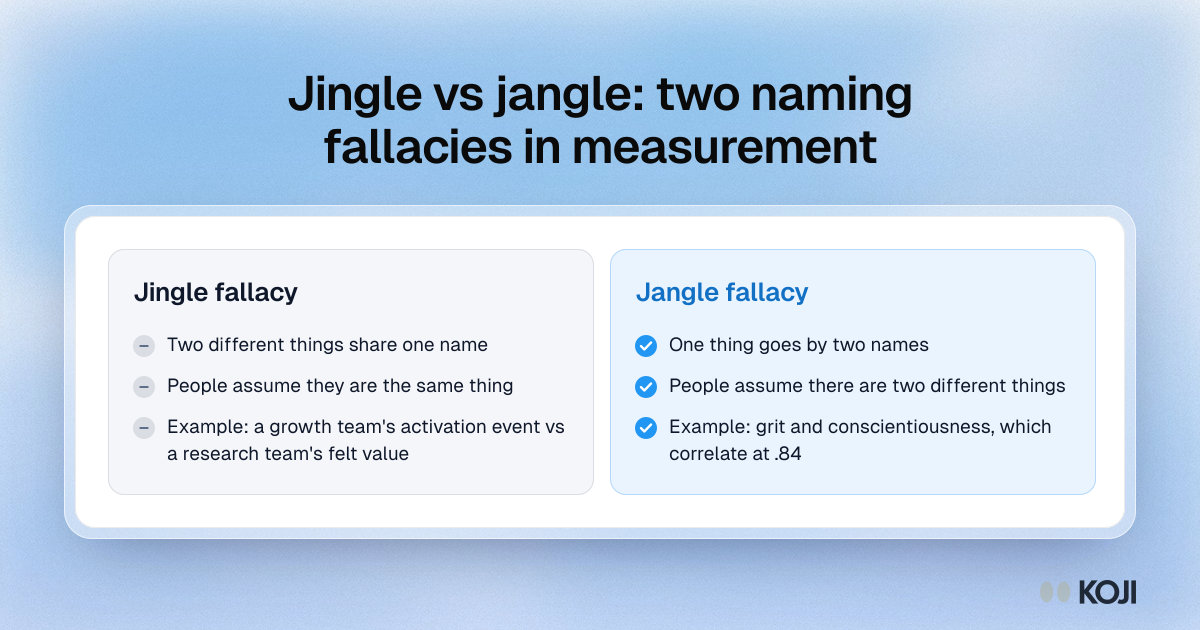
Comparison of the jingle fallacy, two different things sharing a name, and the jangle fallacy, one thing with two names, with a product example of each.

Comparison

Jingle vs jangle: two naming fallacies in measurement
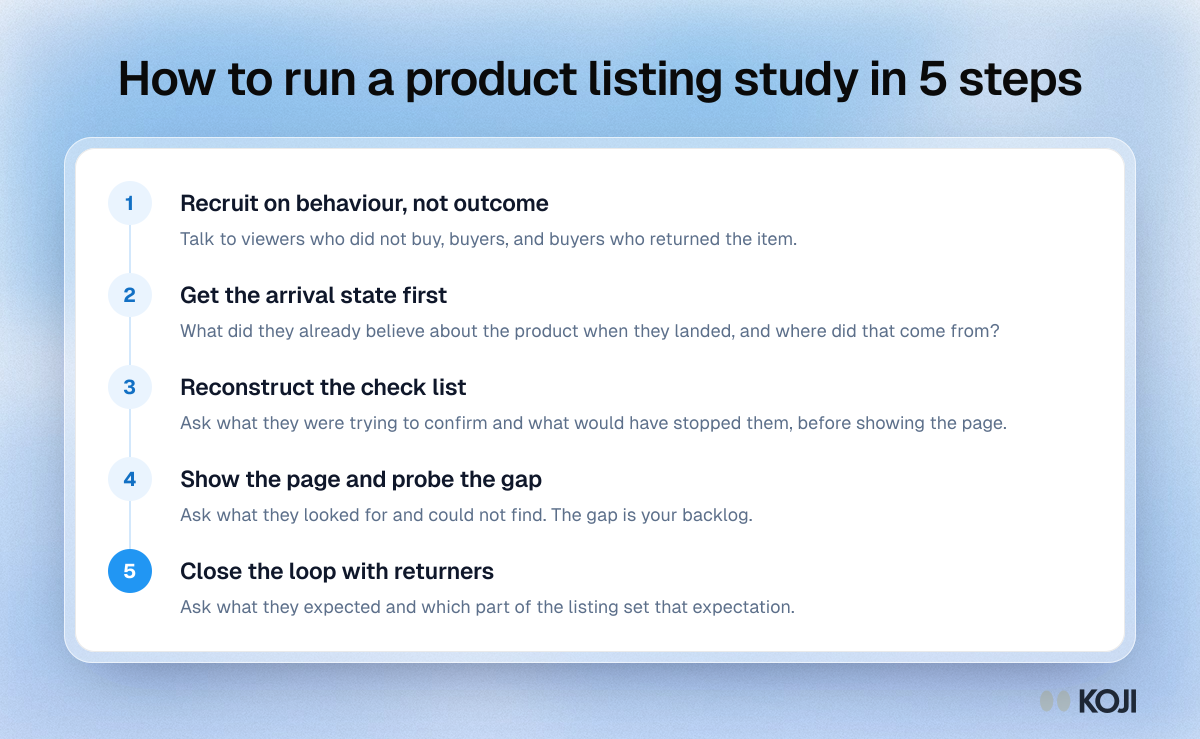
Process with five steps for a product listing study: recruit on behaviour, get the arrival state, rebuild the check list, probe the gap, talk to returners.

Process

How to run a product listing study in 5 steps
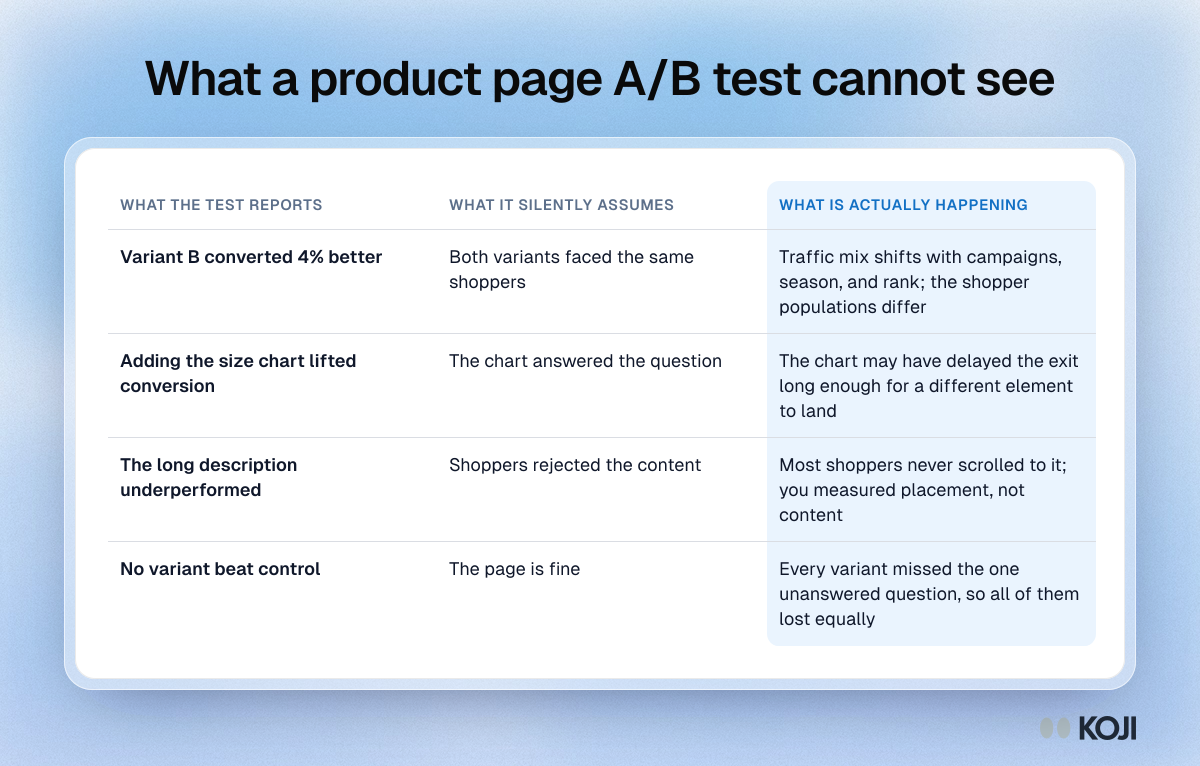
Table of four product page test results, the assumption each one makes, and what may actually be happening, ending with a flat test where every variant failed.

Reference table

What a product page A/B test cannot see
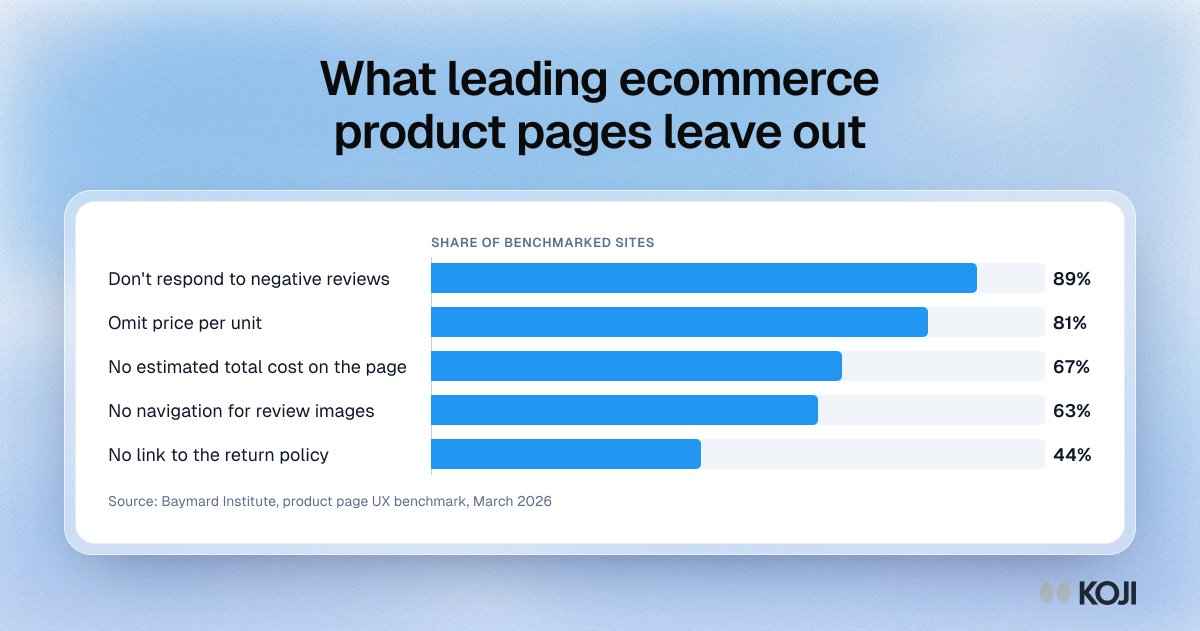
Bar chart of five gaps on leading ecommerce product pages, led by 89% of sites that ignore negative reviews and 81% that omit price per unit.

Bar chart

What leading ecommerce product pages leave out
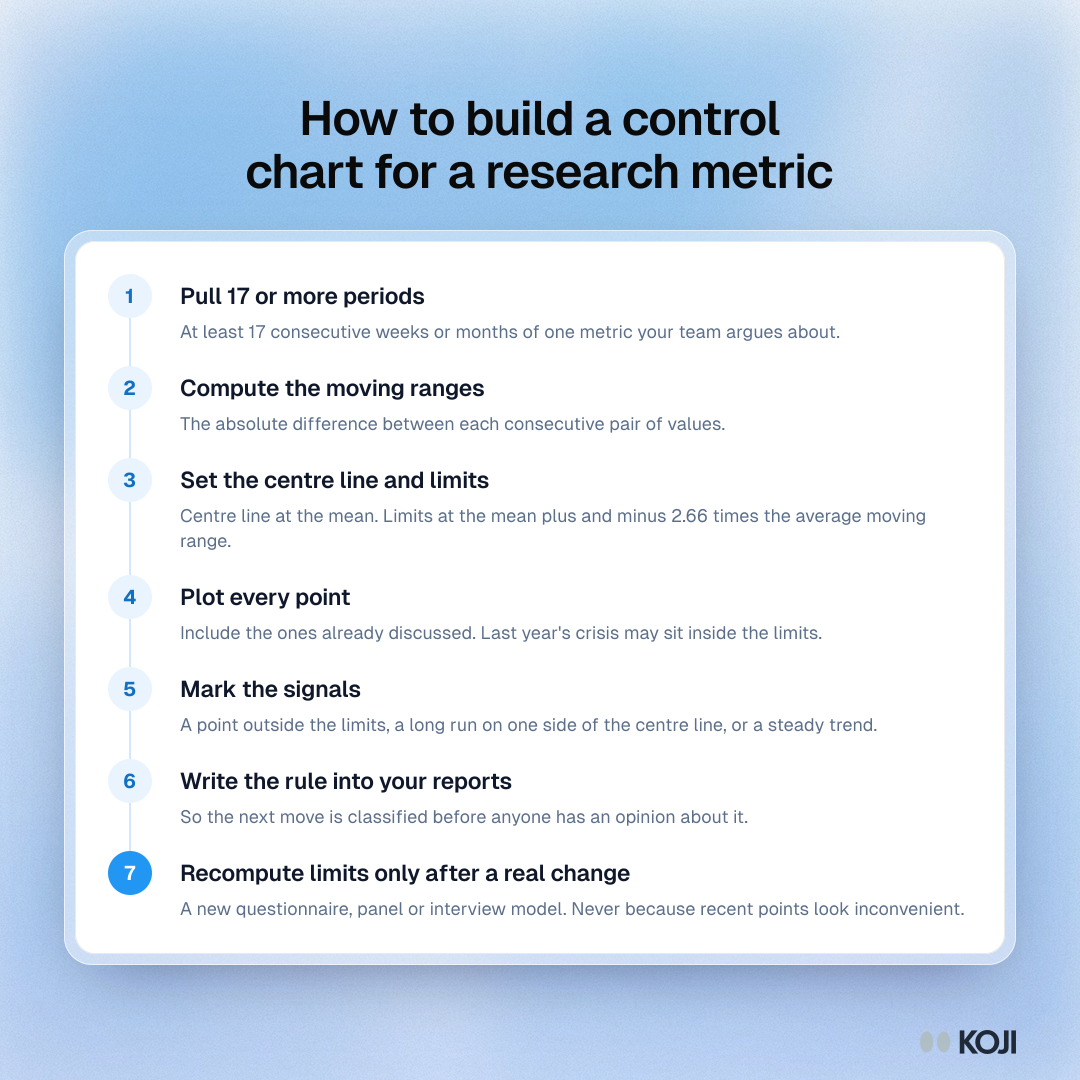
Process with seven steps for building an individuals control chart: pull 17 periods, compute moving ranges, set limits at 2.66 times, plot, mark signals.

Process

How to build a control chart for a research metric
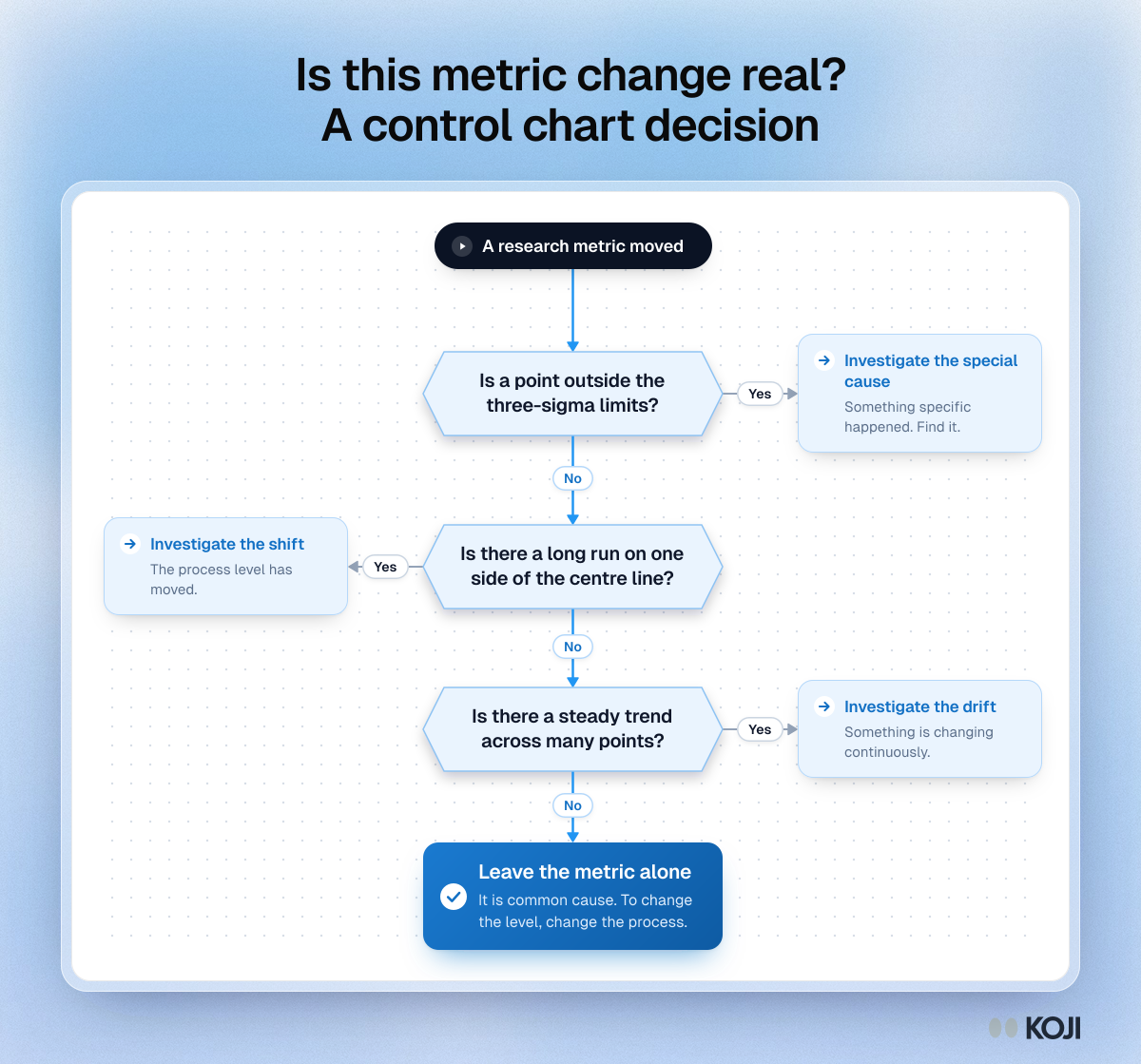
Flowchart for a metric that moved: three questions about limits, runs and trends, each leading to an investigation, ending in leaving the metric alone.

Flowchart

Is this metric change real? A control chart decision
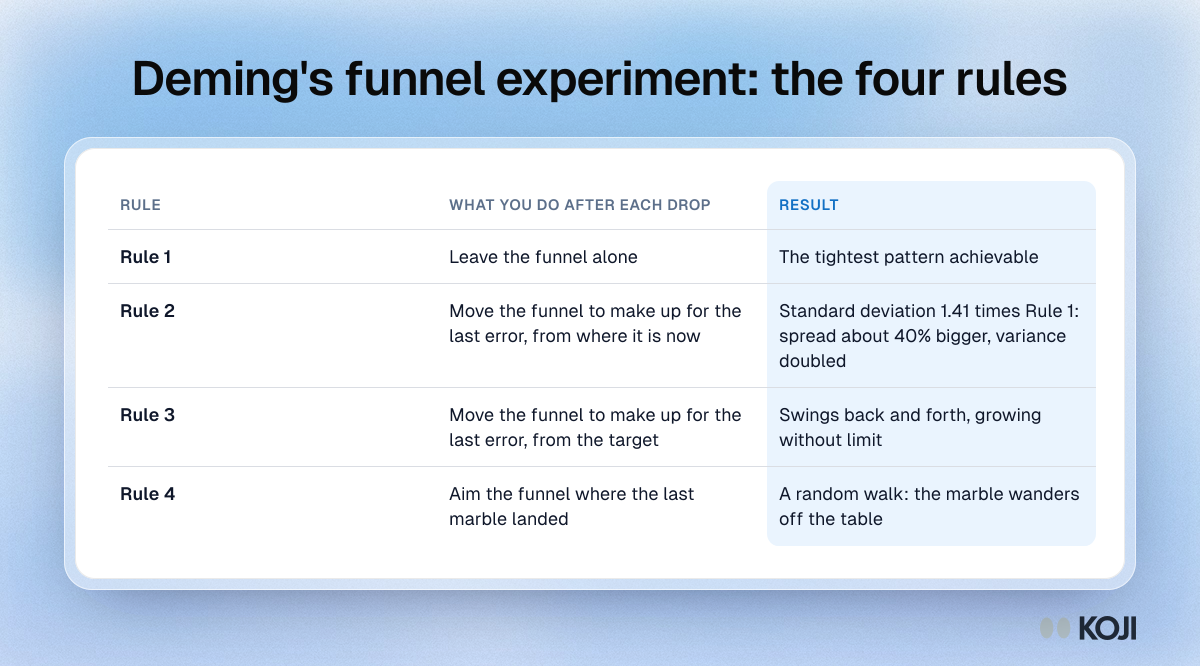
Table of the four rules in Deming's funnel experiment, from leaving the funnel alone to aiming at the last landing spot, and the result of each.

Reference table

Deming's funnel experiment: the four rules
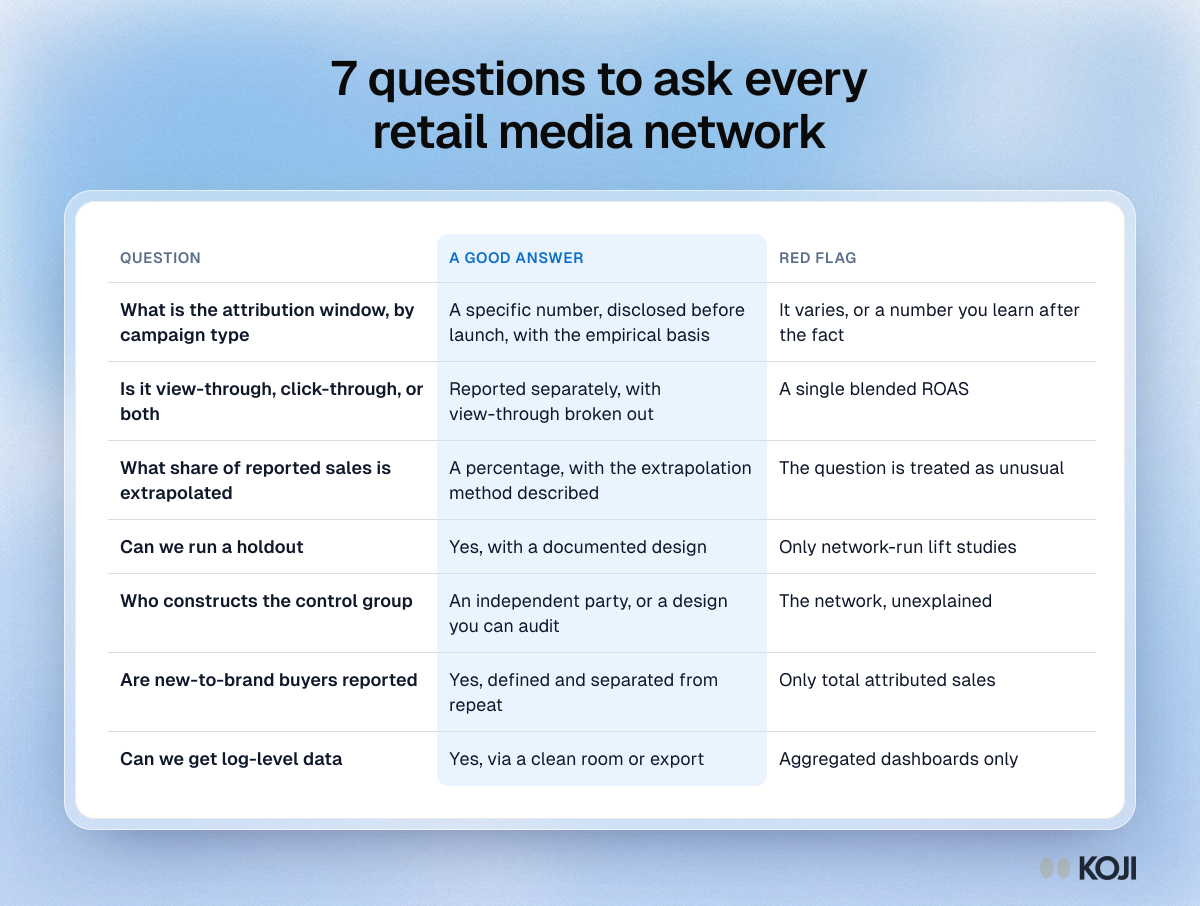
Table of seven questions to ask a retail media network about attribution windows, extrapolation, holdouts and data access, with good answers and red flags.

Reference table

7 questions to ask every retail media network
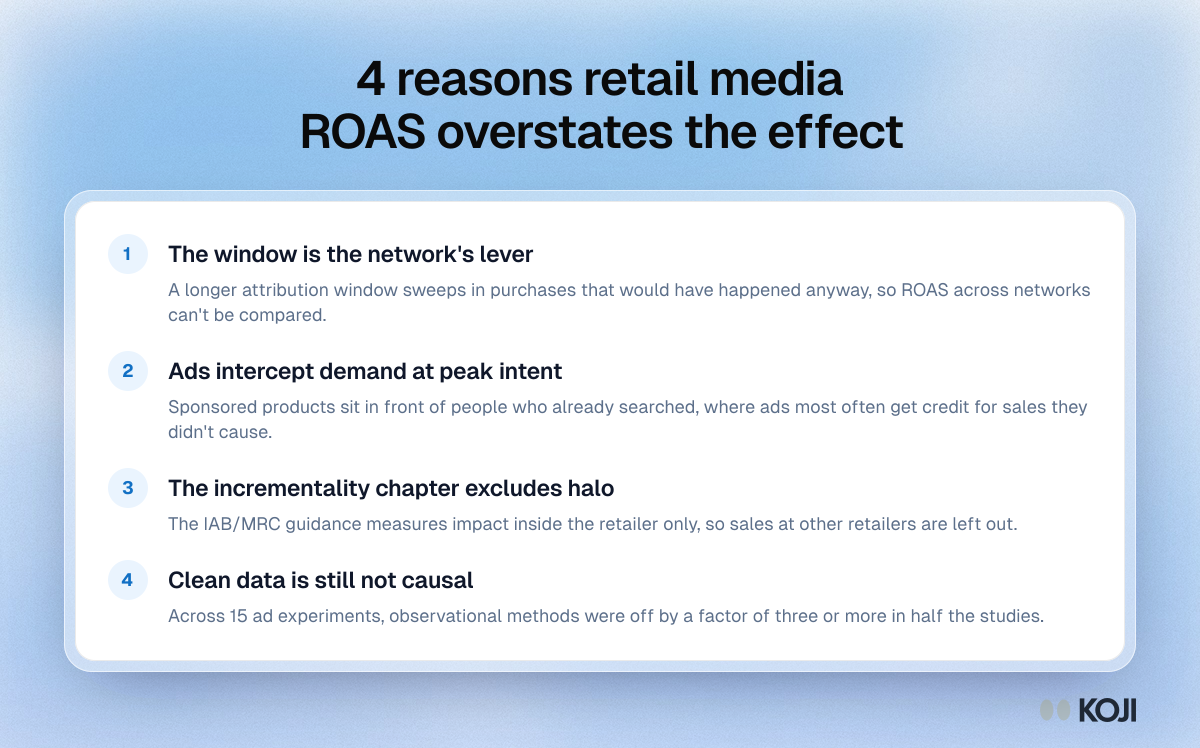
List of four reasons retail media ROAS overstates the causal effect: the attribution window, peak-intent placement, no halo, and observational data.

Guide

4 reasons retail media ROAS overstates the effect
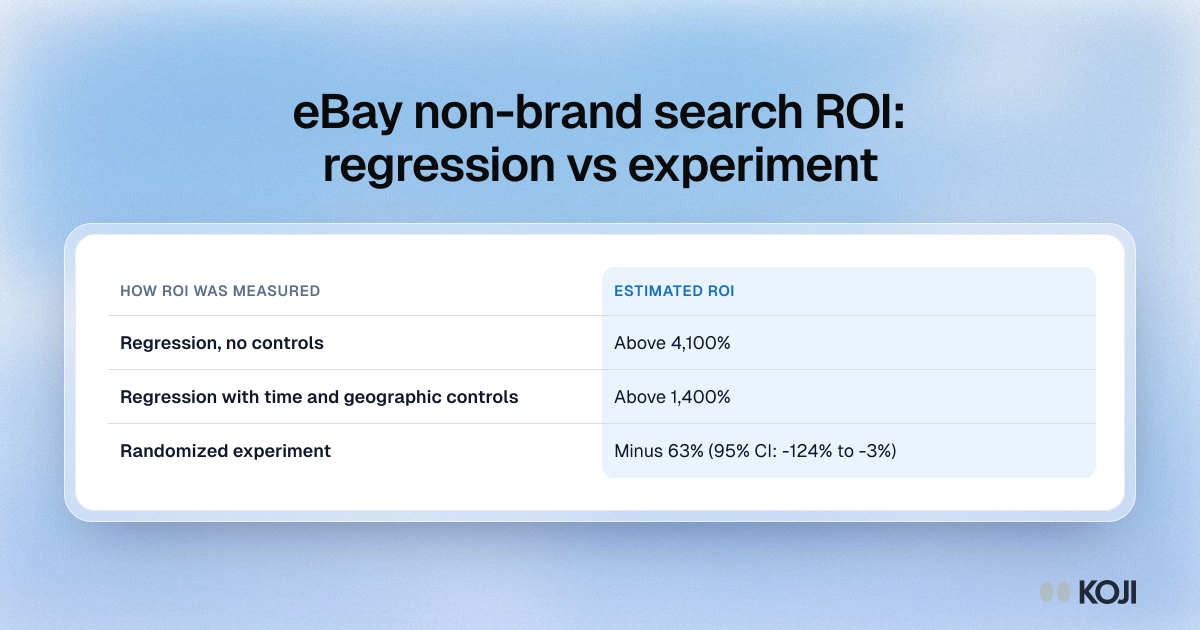
Table of eBay non-brand paid search ROI by method: above 4,100% with no controls, above 1,400% with controls, minus 63% in a randomized experiment.

Reference table

eBay non-brand search ROI: regression vs experiment
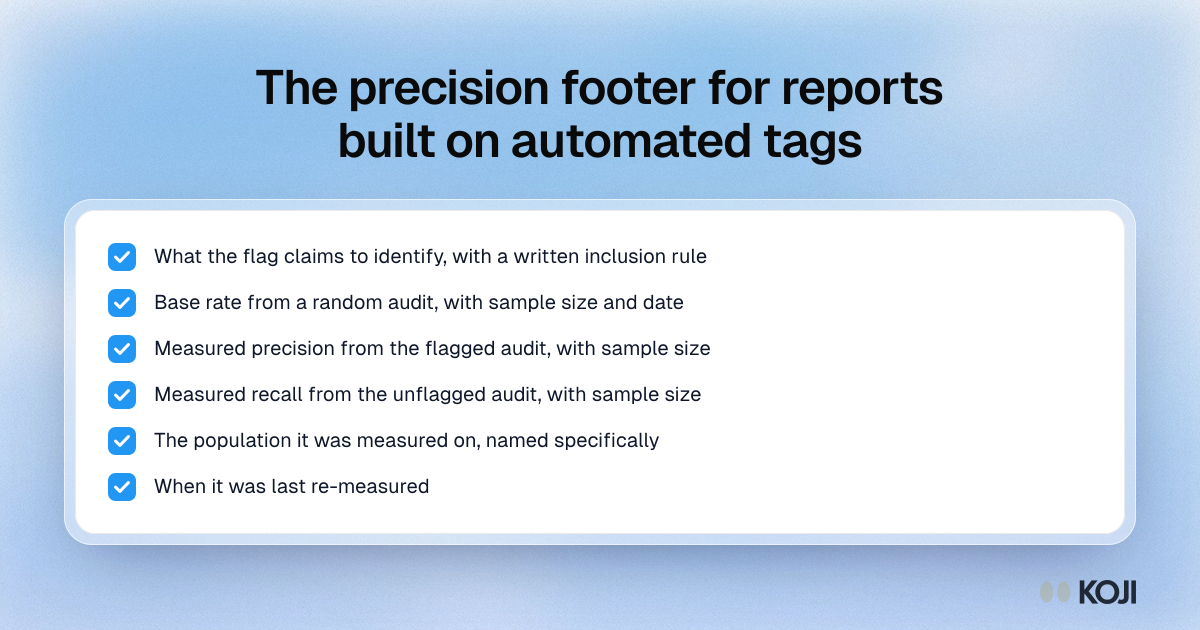
Checklist of six lines to add to any report built on automated tags, from what the flag identifies to when it was last re-measured.

Checklist

The precision footer for reports built on automated tags
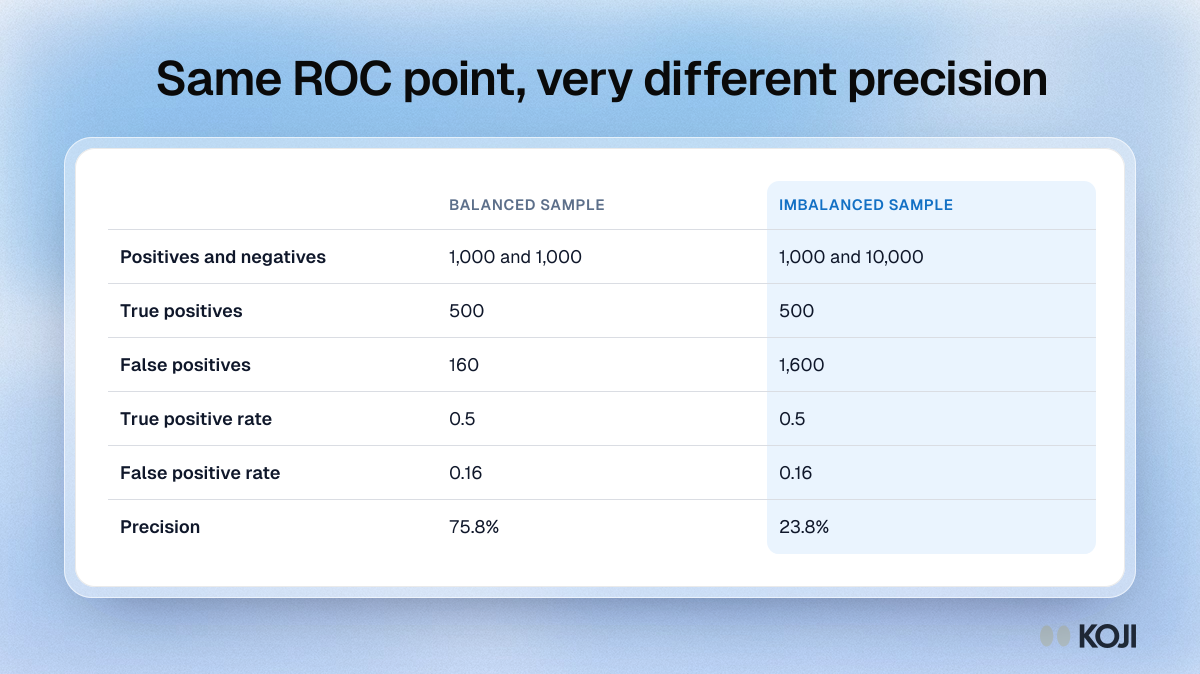
Table comparing a balanced and an imbalanced sample at one ROC point: the same true and false positive rates, but precision falls from 75.8% to 23.8%.

Reference table

Same ROC point, very different precision
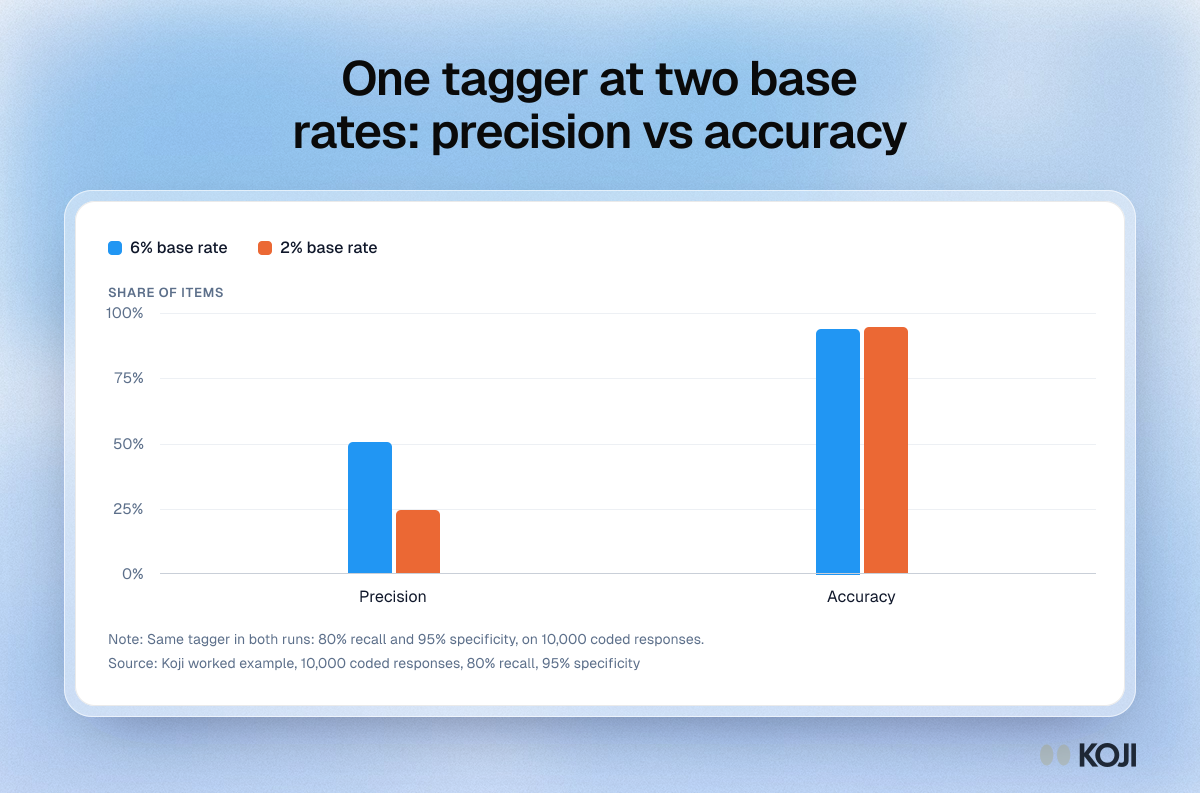
Column chart of one tagger at a 6% and a 2% base rate: precision falls from 50.5% to 24.6% while accuracy rises from 94.1% to 94.7%.

Column chart

One tagger at two base rates: precision vs accuracy
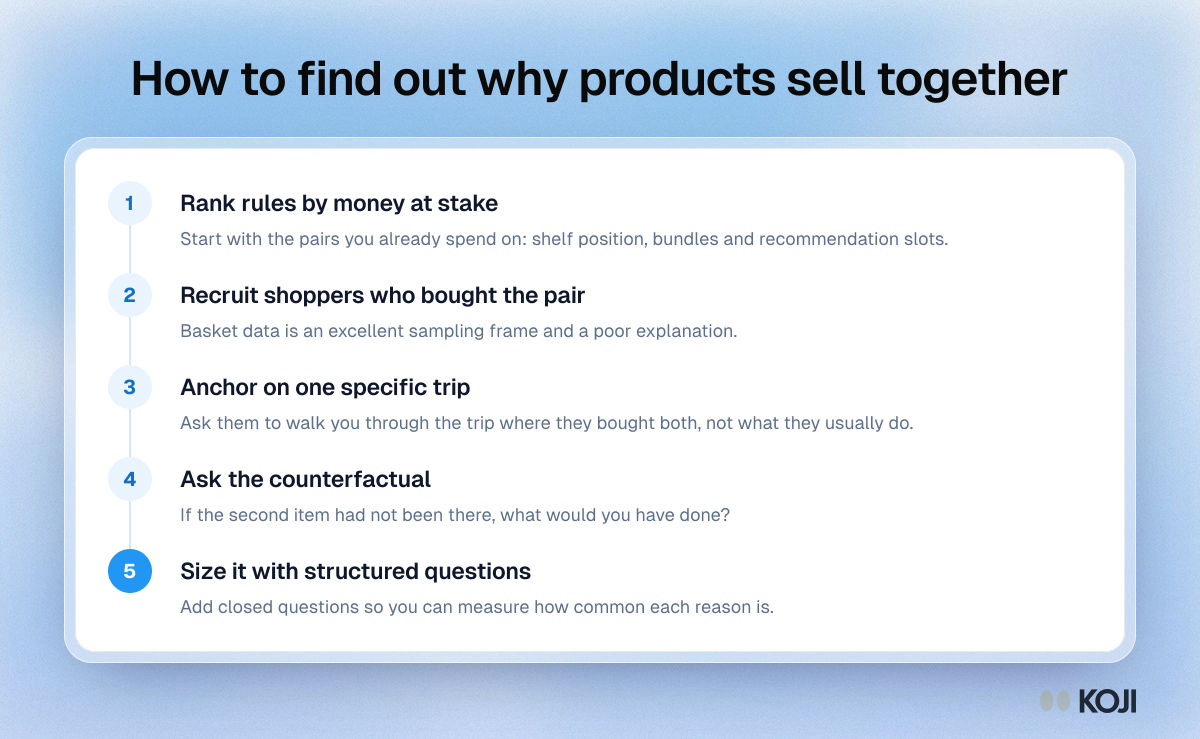
Process with five steps for explaining market basket rules: rank by spend, recruit buyers of the pair, anchor on one trip, ask the counterfactual, size it.

Process

How to find out why products sell together
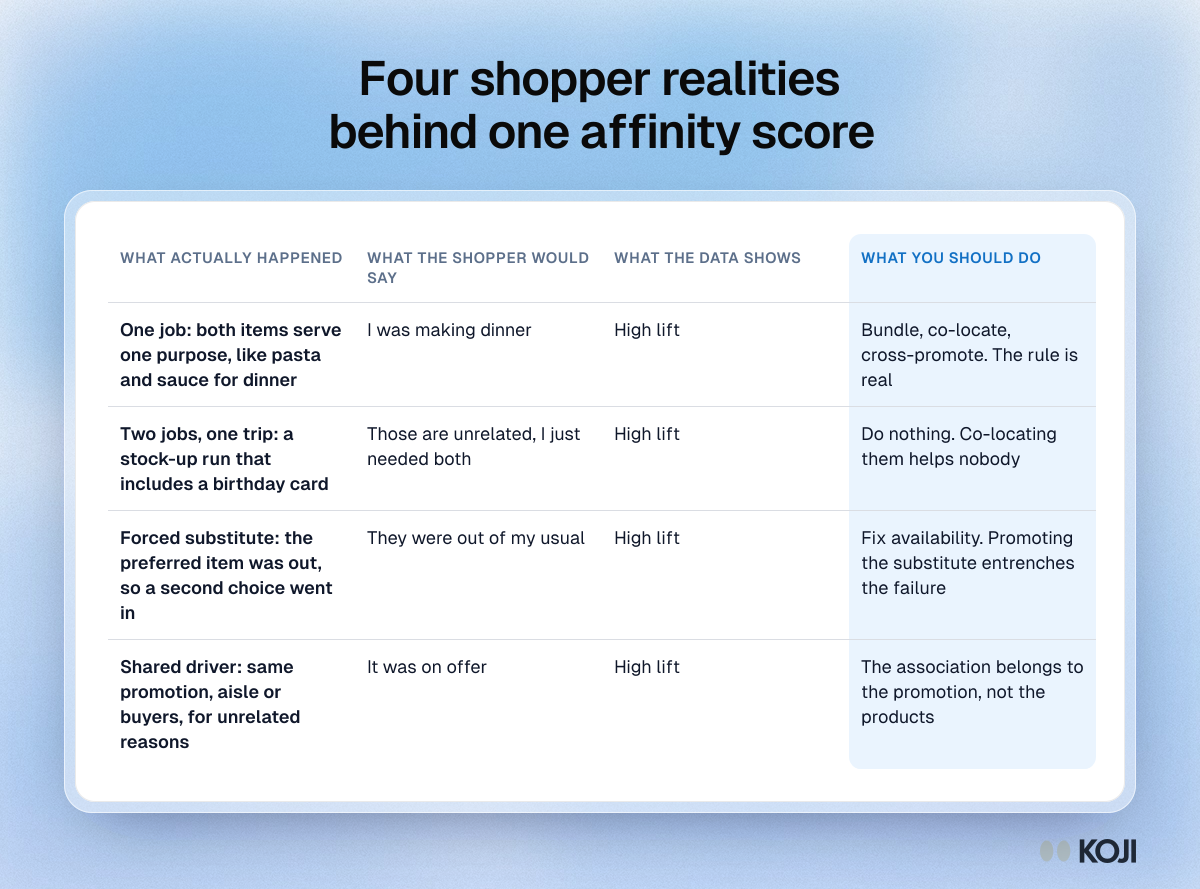
Table of four reasons two products share a basket, one job, two jobs, a forced substitute and a shared driver, each showing high lift.

Reference table

Four shopper realities behind one affinity score
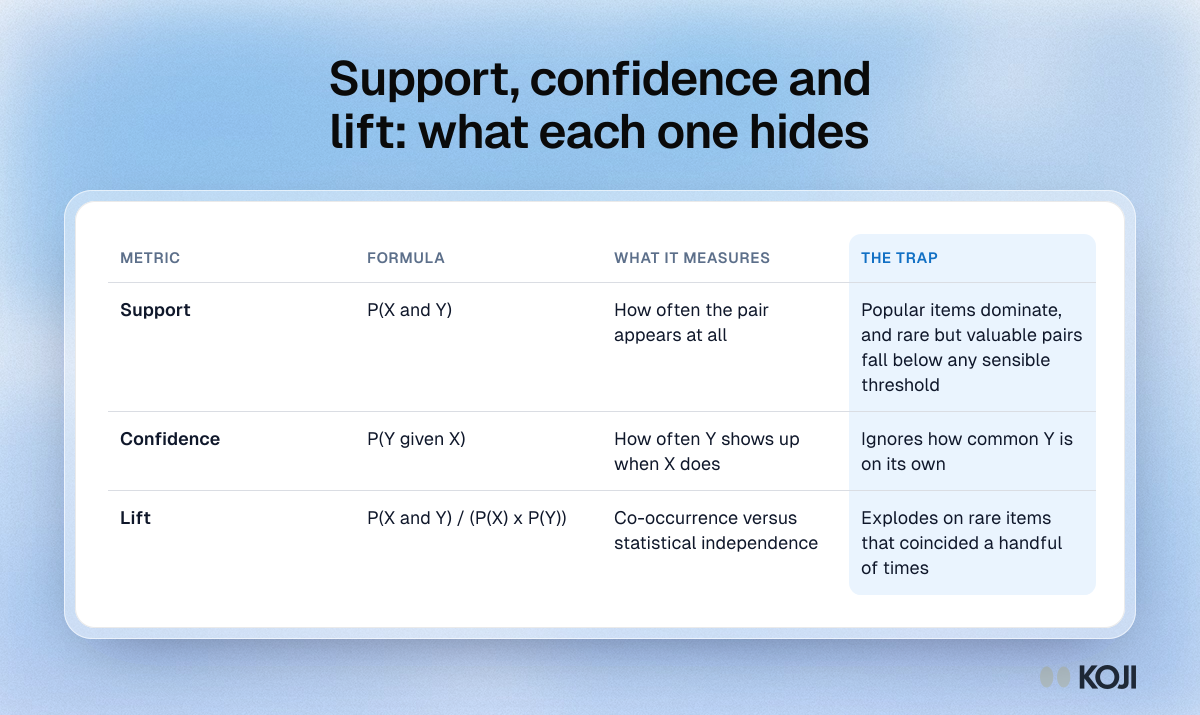
Table of the three market basket analysis metrics, support, confidence and lift, with each formula, what it measures and its trap.

Reference table

Support, confidence and lift: what each one hides
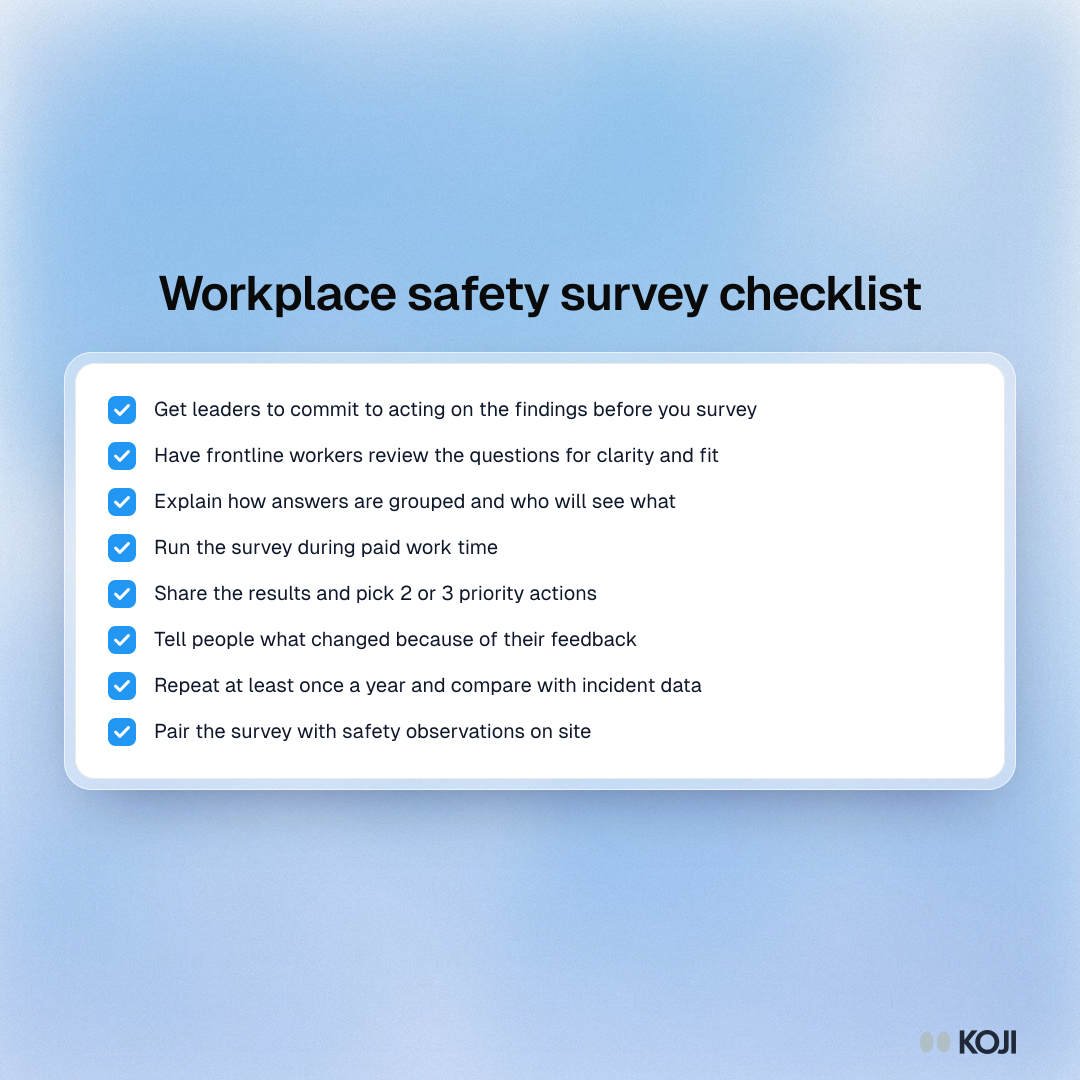
Checklist of eight steps for running a workplace safety survey, from leadership commitment to pairing results with site observations.

Checklist

Workplace safety survey checklist
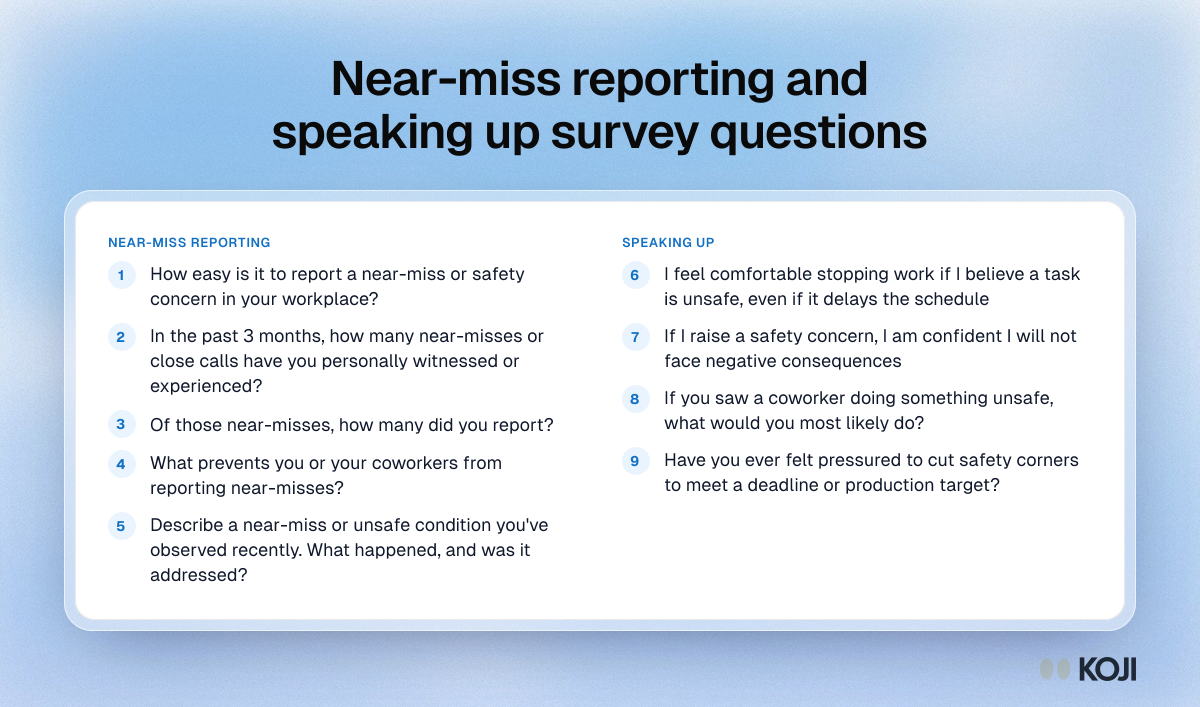
Question bank with nine workplace safety survey questions in two groups: near-miss reporting and speaking up about unsafe work.

Question bank

Near-miss reporting and speaking up survey questions
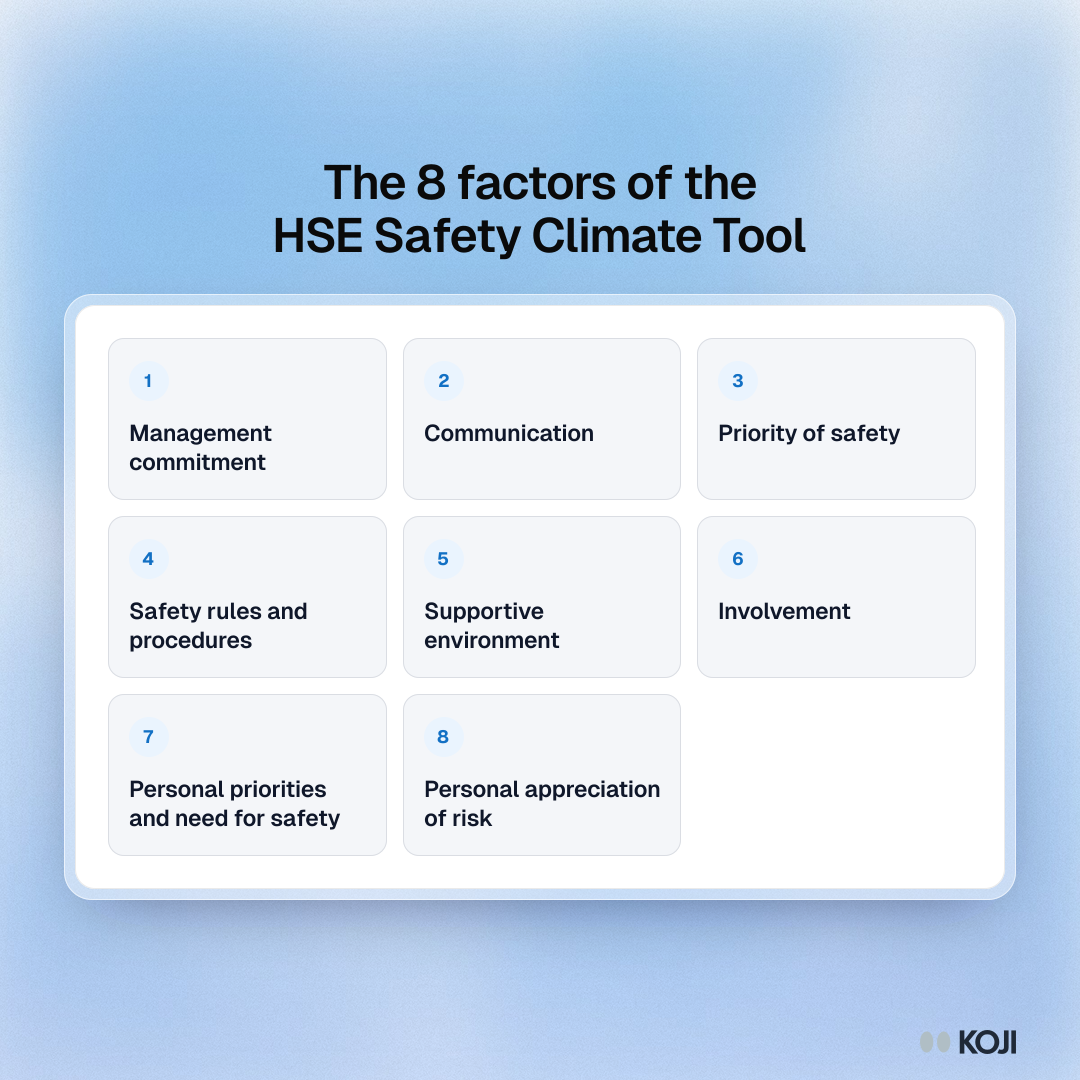
Framework listing the eight safety climate factors in the HSE Safety Climate Tool, from management commitment to personal appreciation of risk.

Framework

The 8 factors of the HSE Safety Climate Tool
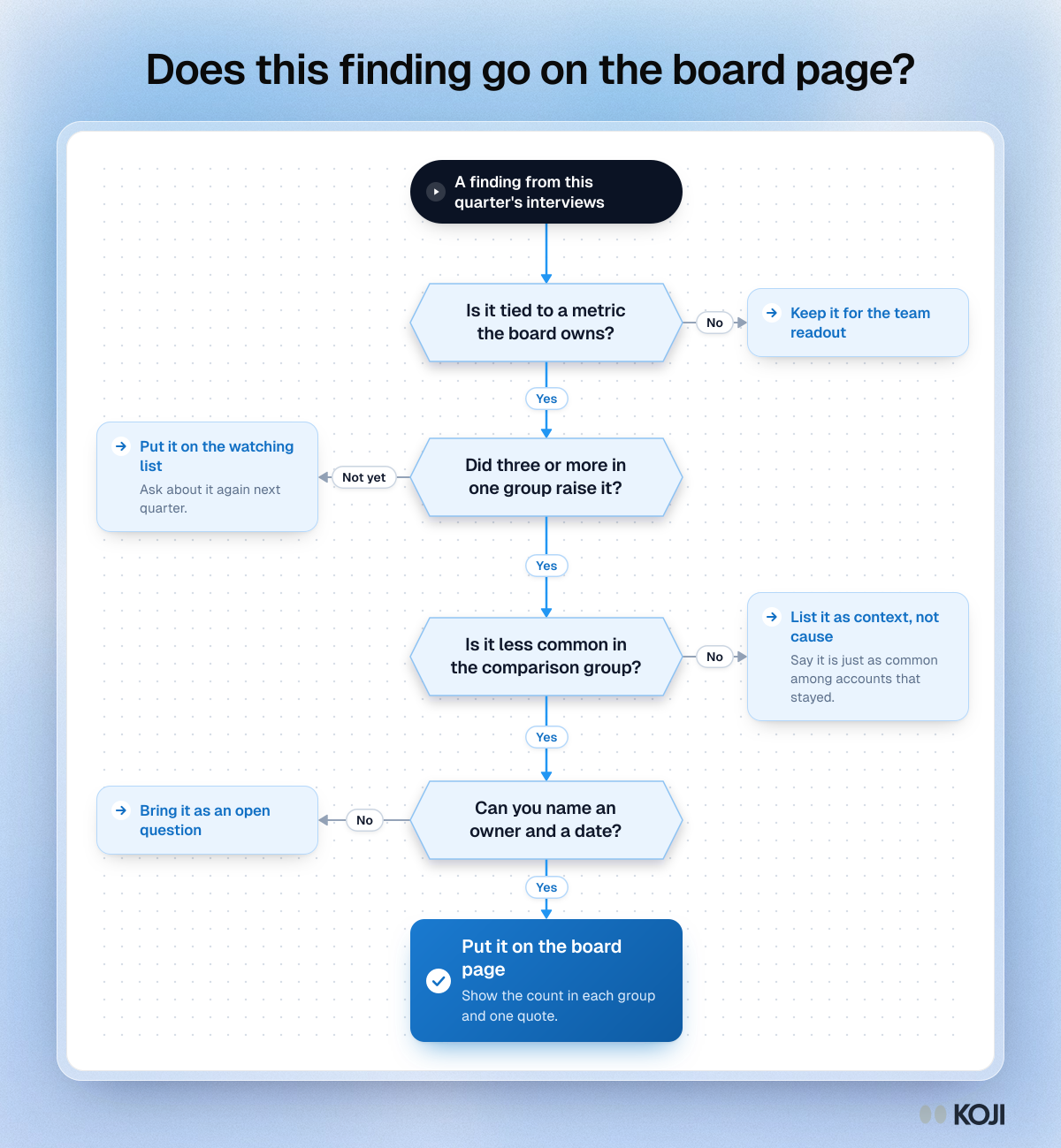
Flowchart for deciding whether a customer finding goes on the board page: four yes or no questions, each with its own exit, ending on the page.

Flowchart

Does this finding go on the board page?
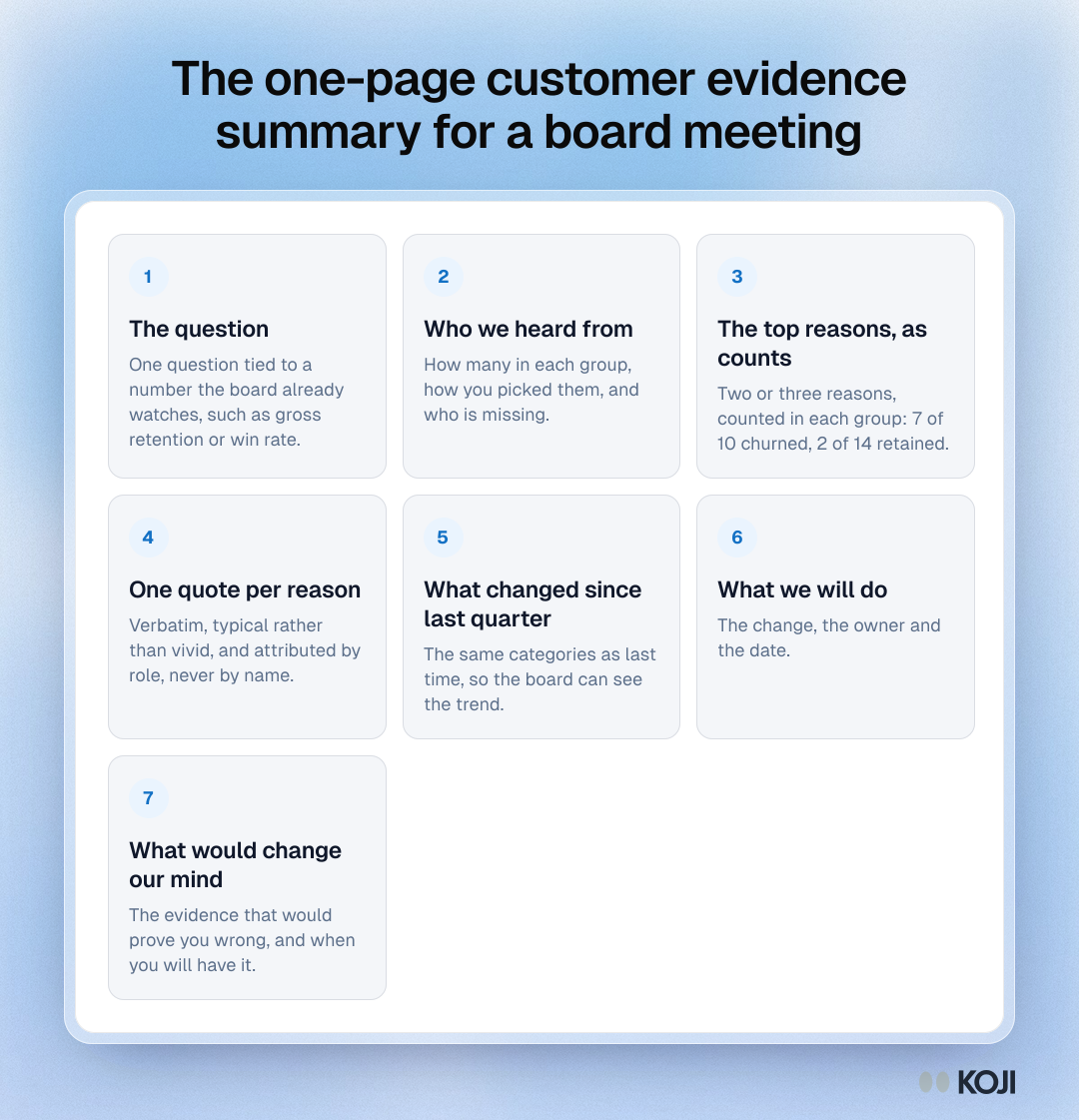
Framework of the seven parts of a one-page customer evidence summary for a board, from the question and who you heard from to what would change your mind.

Framework

The one-page customer evidence summary for a board meeting
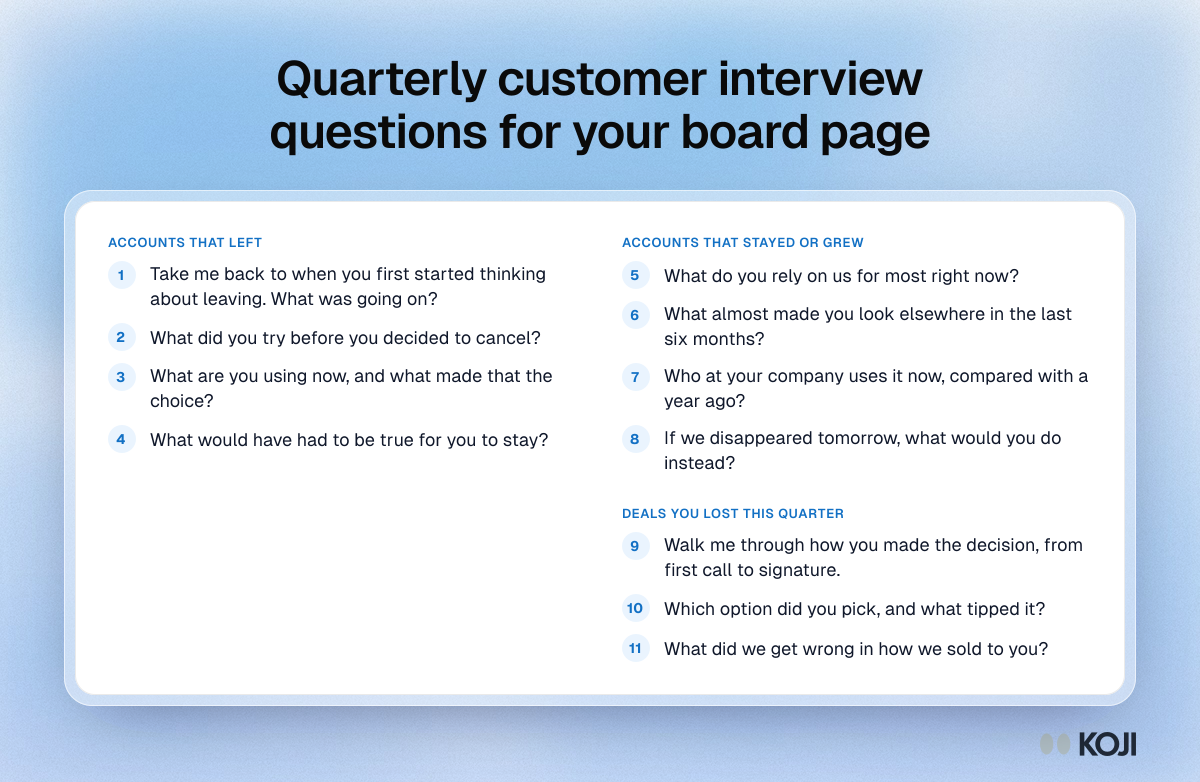
Question bank for quarterly customer interviews that feed a board page, with questions for accounts that left, accounts that stayed and deals you lost.

Question bank

Quarterly customer interview questions for your board page
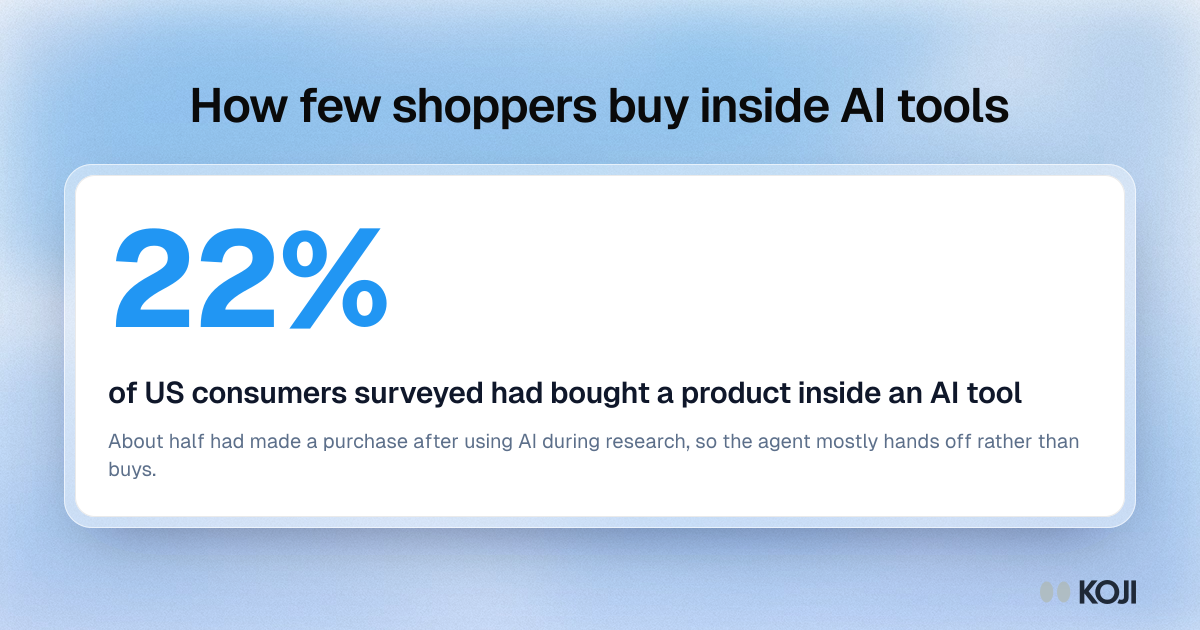
Stat card: 22% of US consumers surveyed had bought a product inside an AI tool, while about half bought something after using AI to research it.

Key figure

How few shoppers buy inside AI tools
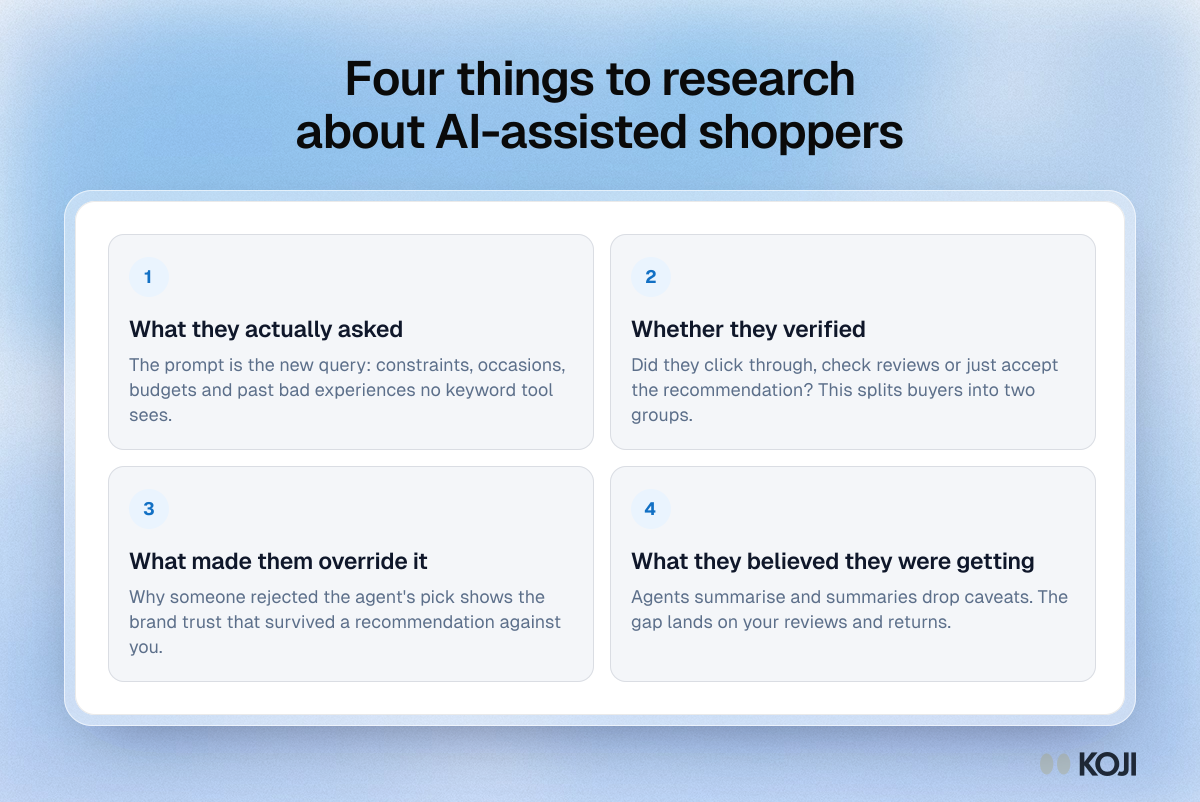
Framework of four things to research with shoppers who use AI agents: what they asked, whether they checked, why they overrode it and what they expected.

Framework

Four things to research about AI-assisted shoppers
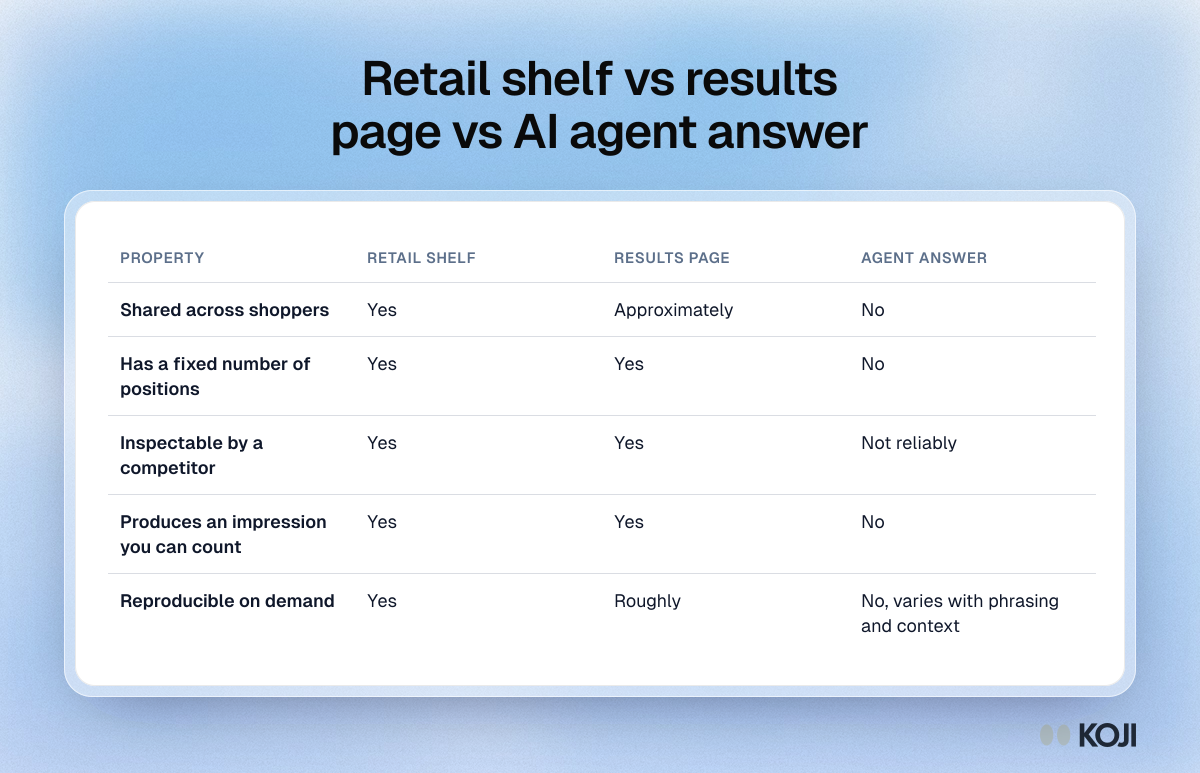
Table comparing a retail shelf, a search results page and an AI agent answer on five properties that make shelf metrics like share of search possible.

Reference table

Retail shelf vs results page vs AI agent answer
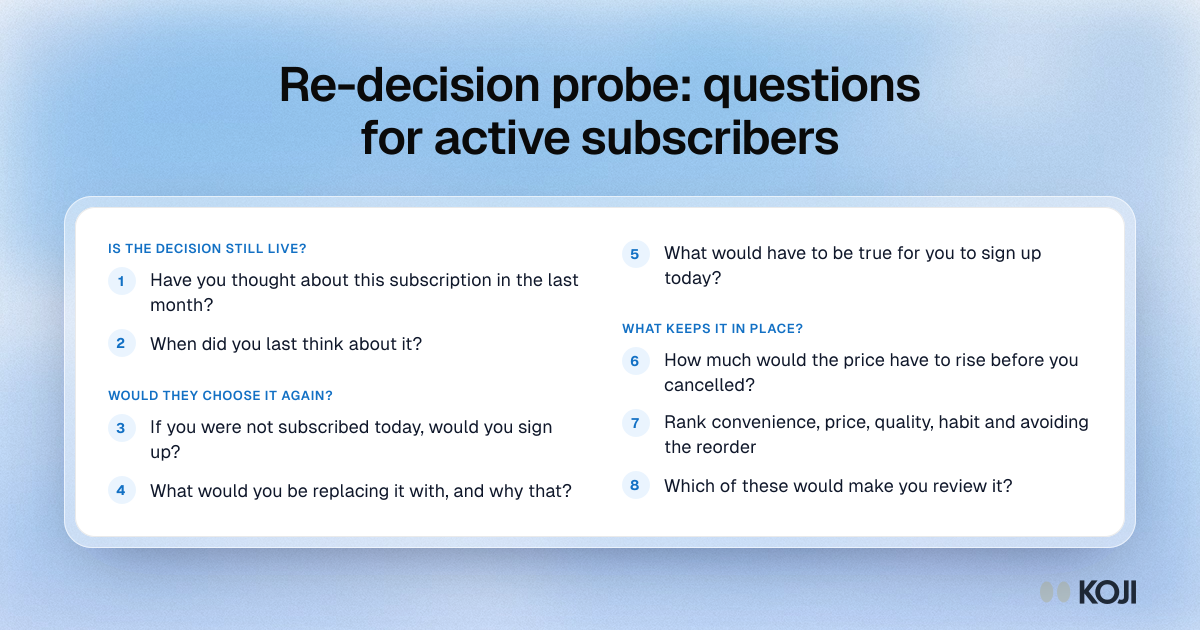
Question bank for a subscription re-decision probe: eight questions on whether the decision is live, whether they would sign up again and what keeps them.

Question bank

Re-decision probe: questions for active subscribers
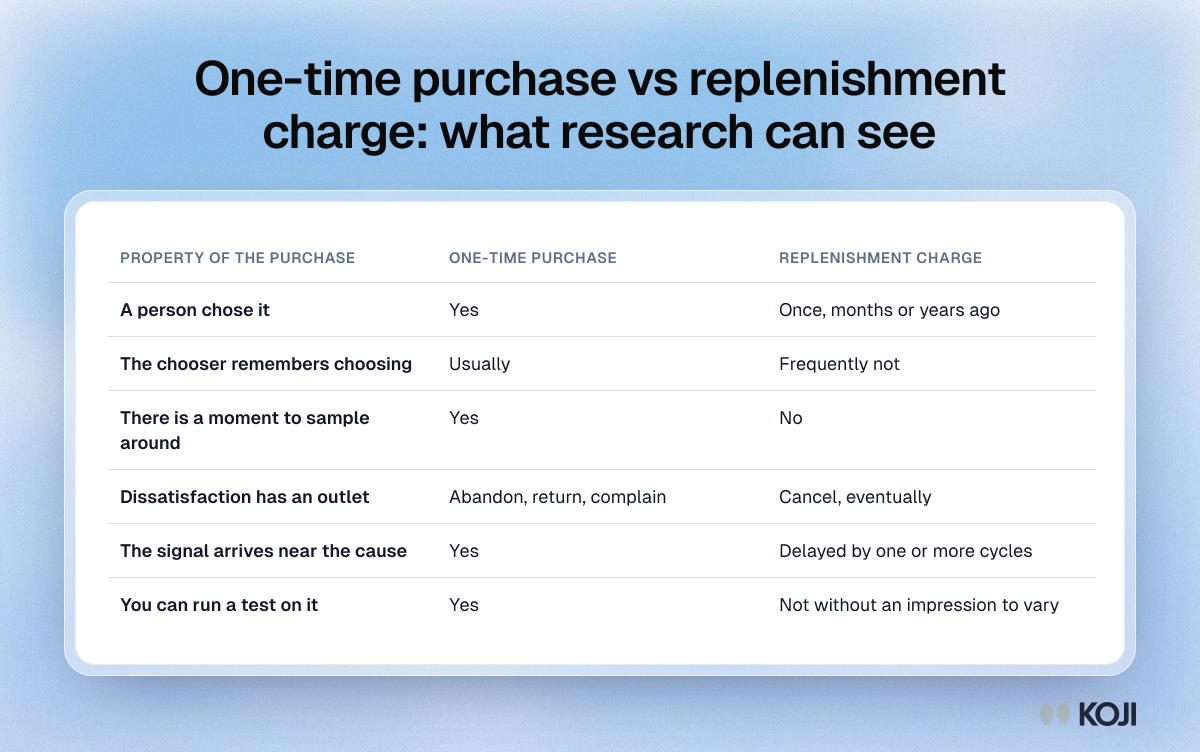
Table comparing a one-time purchase with a replenishment charge on six properties, from whether someone chose it to whether you can test it.

Reference table

One-time purchase vs replenishment charge: what research can see
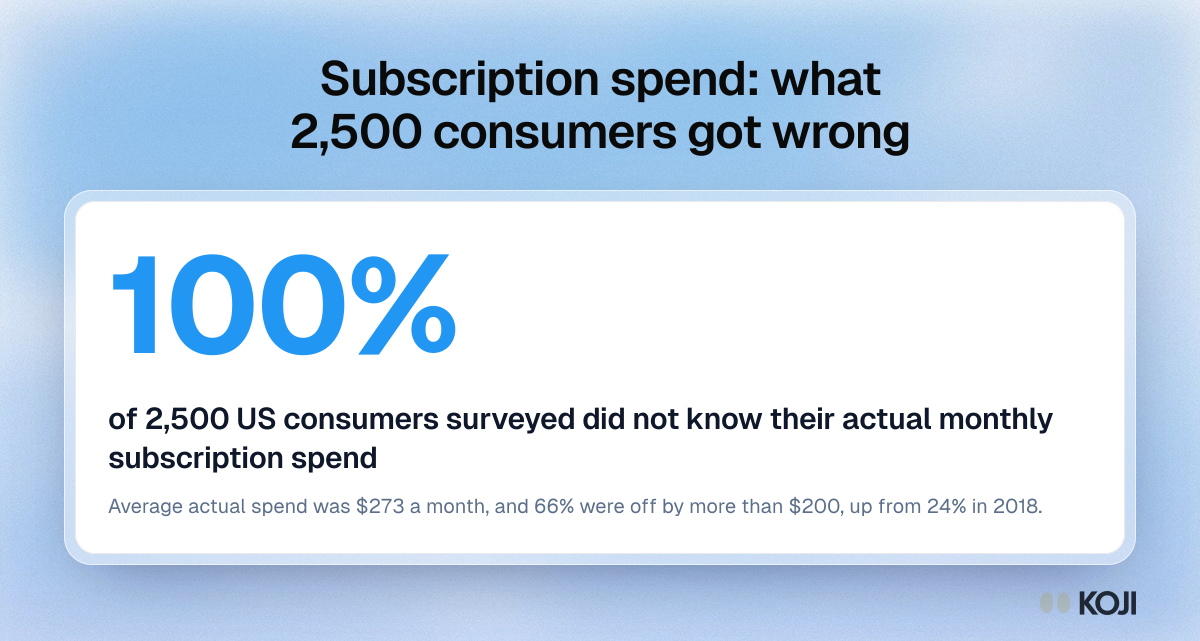
Stat card: 100% of 2,500 US consumers did not know their real monthly subscription spend, which averaged $273, and 66% were off by more than $200.

Key figure

Subscription spend: what 2,500 consumers got wrong
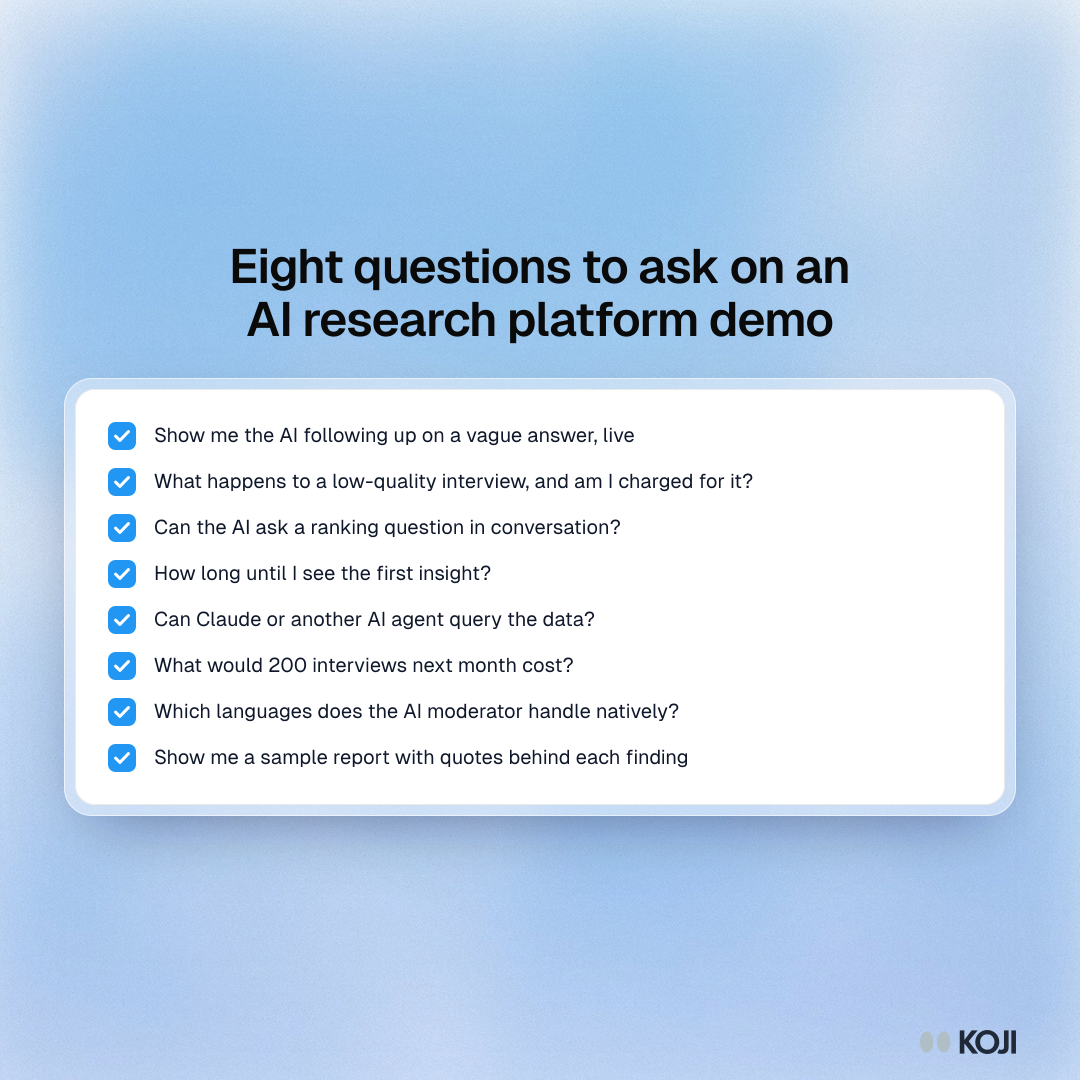
Checklist of eight questions to ask on an AI research platform demo, from seeing a live follow-up to the cost of 200 interviews and a sample report.

Checklist

Eight questions to ask on an AI research platform demo
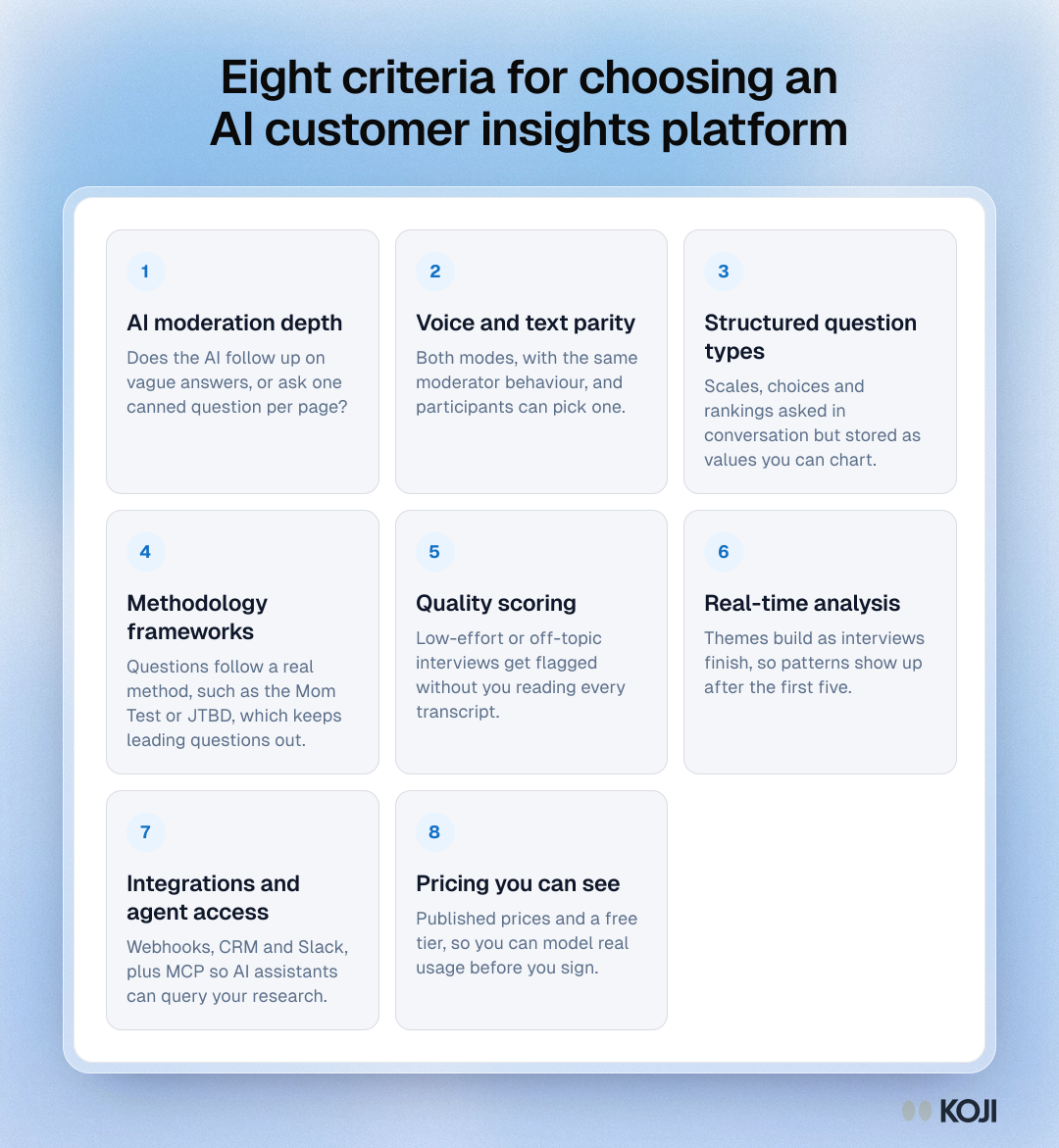
Framework of eight buying criteria for an AI customer insights platform, from moderation depth and voice support to quality scoring and pricing.

Framework

Eight criteria for choosing an AI customer insights platform
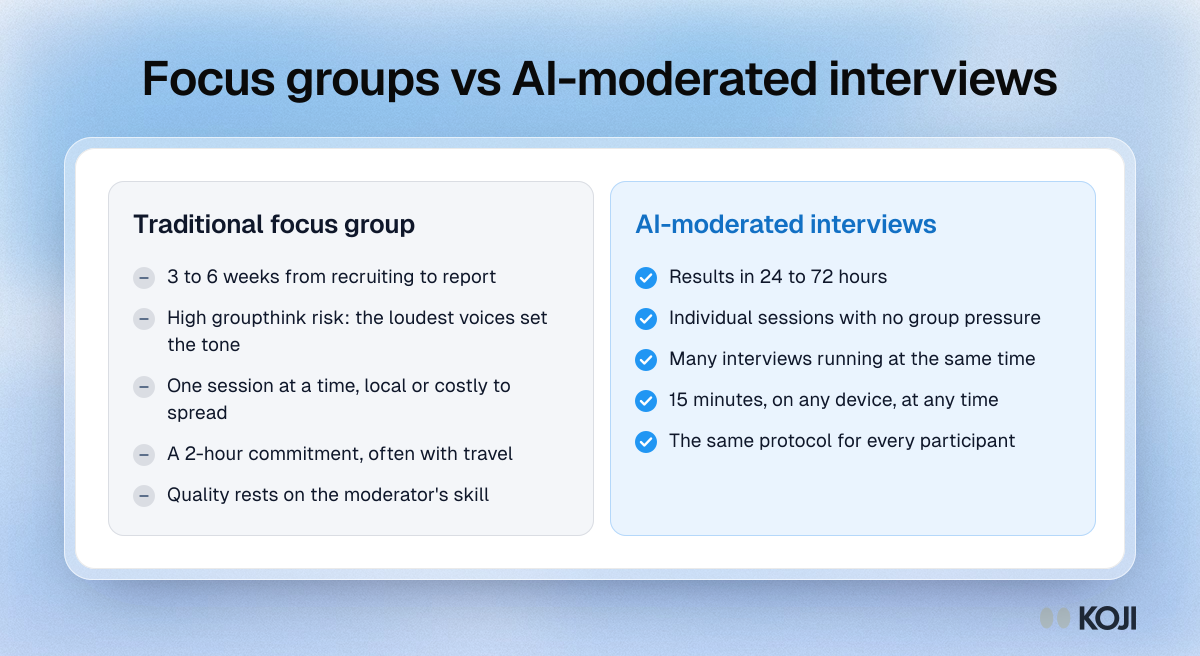
Comparison of focus groups and AI-moderated interviews on time to results, groupthink risk, scale, participant effort and reliance on the moderator.

Comparison

Focus groups vs AI-moderated interviews
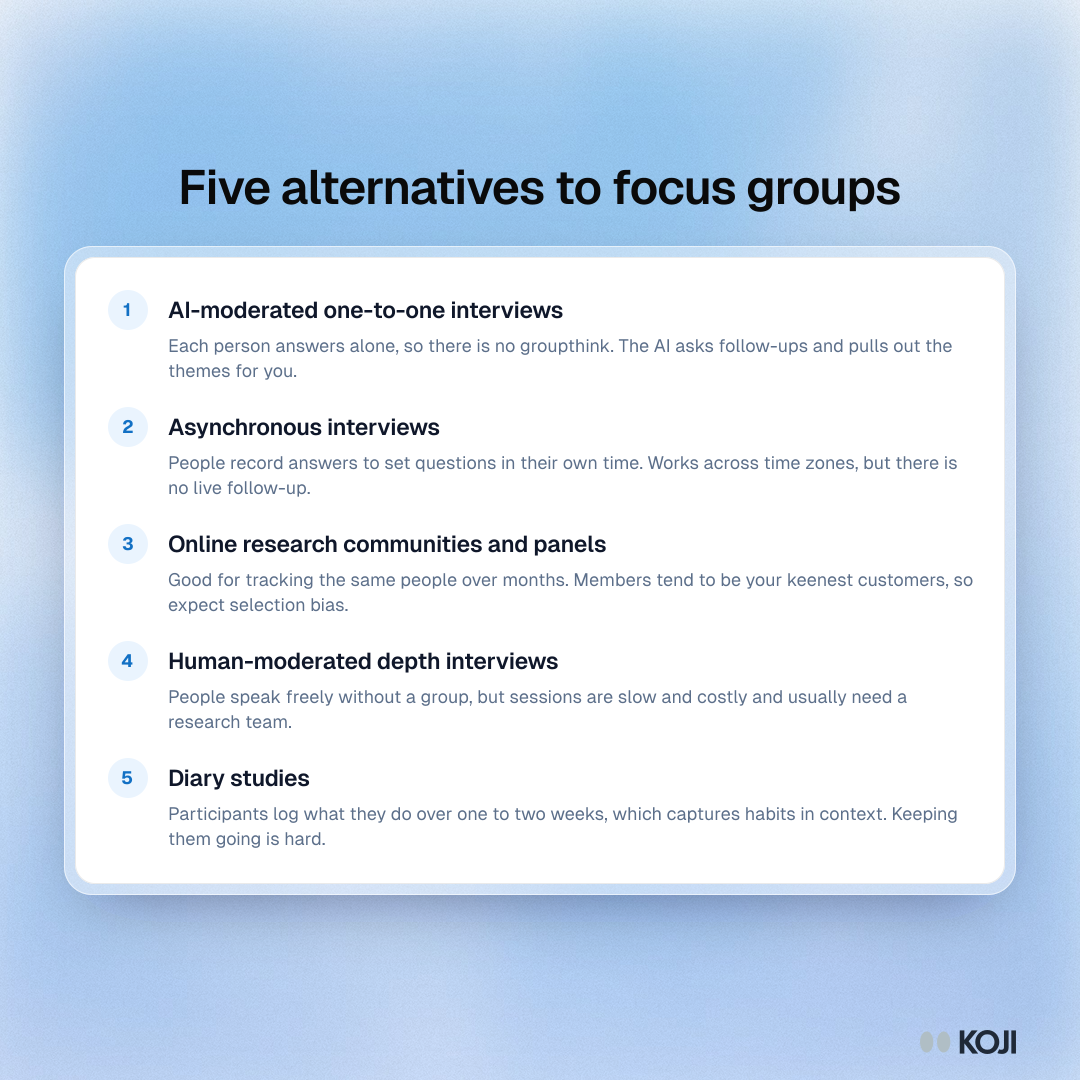
List of five focus group alternatives: AI-moderated interviews, async interviews, research communities, human depth interviews and diary studies.

Guide

Five alternatives to focus groups
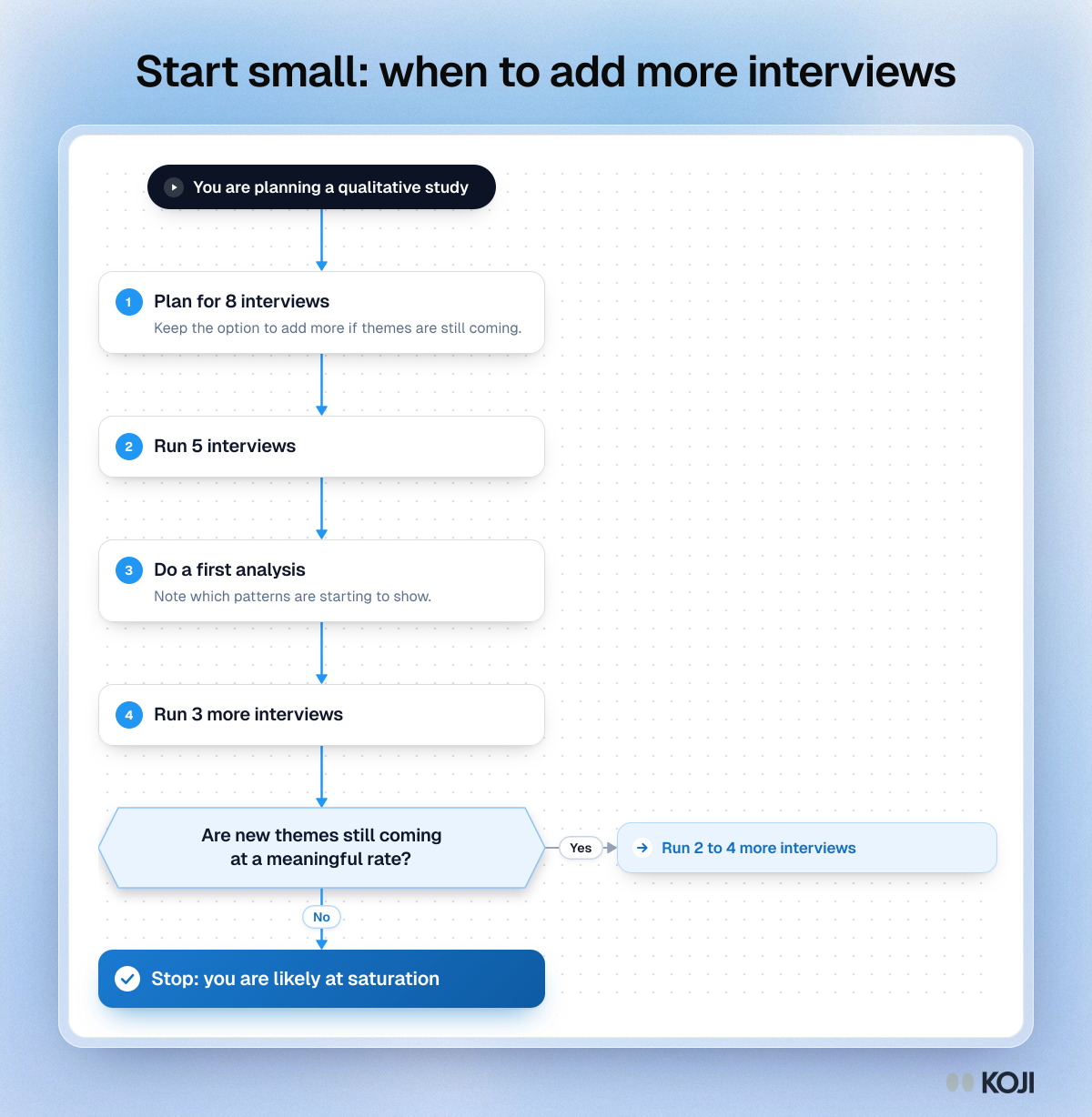
Flowchart for sizing an interview study: plan for 8, run 5, analyse, run 3 more, then add 2 to 4 if new themes are still coming.

Flowchart

Start small: when to add more interviews
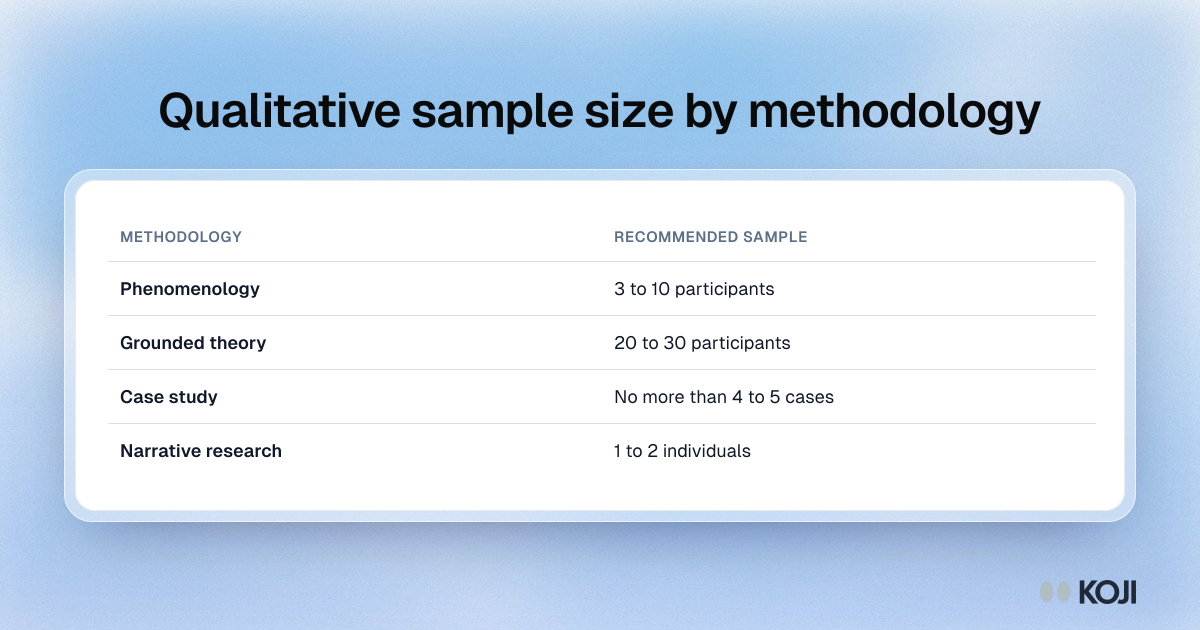
Table of Creswell's recommended sample sizes: 3 to 10 for phenomenology, 20 to 30 for grounded theory, up to 5 cases, 1 to 2 for narrative research.

Reference table

Qualitative sample size by methodology
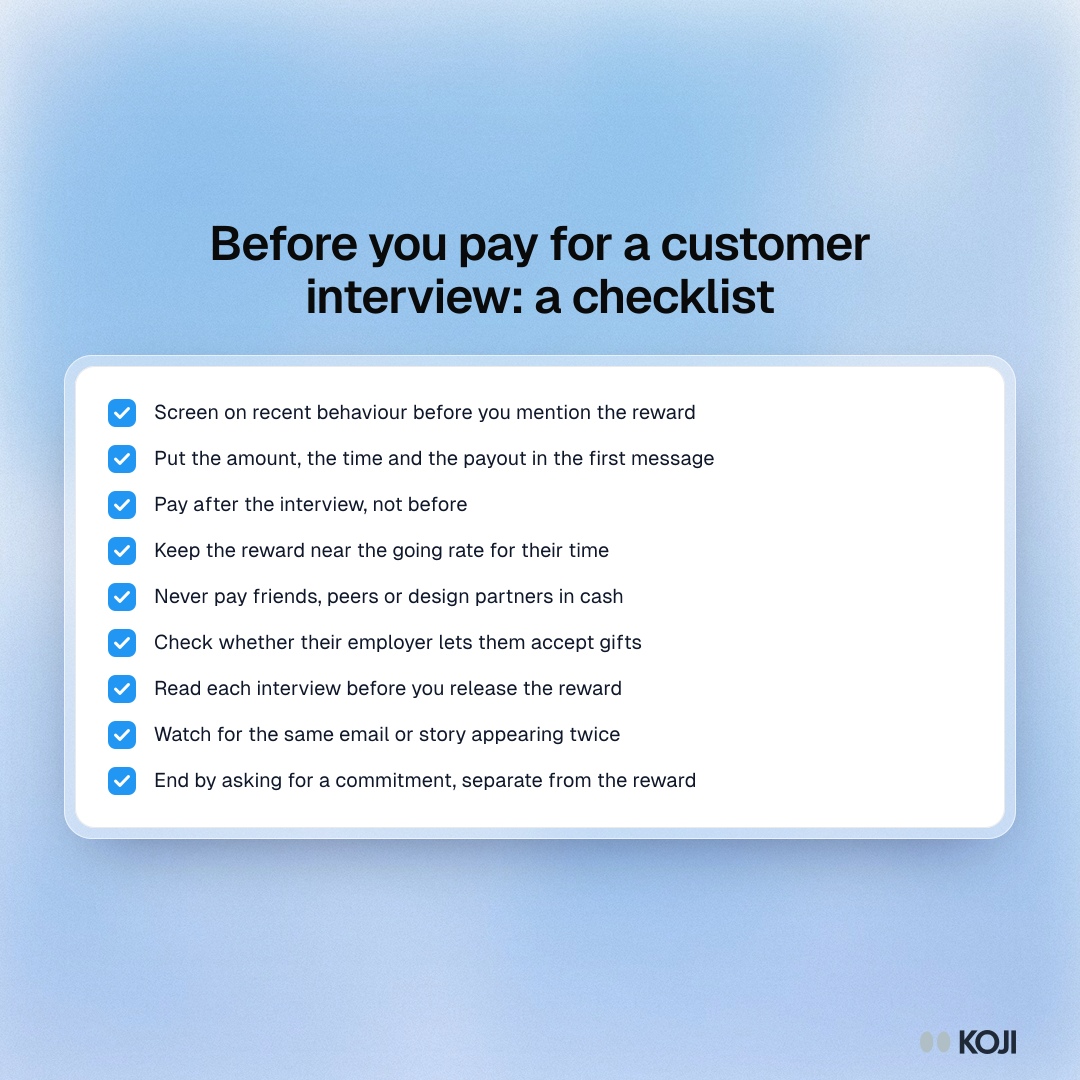
Checklist of nine things to do before offering money for a customer interview, from screening on recent behaviour to asking for a commitment at the end

Checklist

Before you pay for a customer interview: a checklist
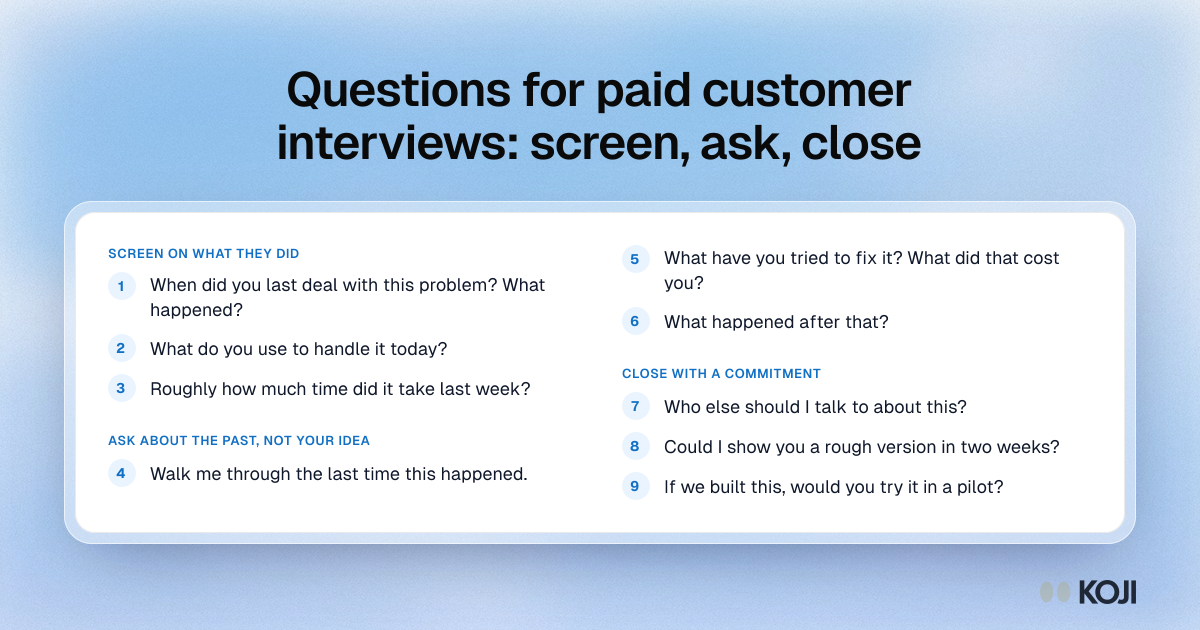
Question bank for paid customer interviews: screen on recent behaviour, ask about the last time it happened, close with a referral or pilot ask

Question bank

Questions for paid customer interviews: screen, ask, close
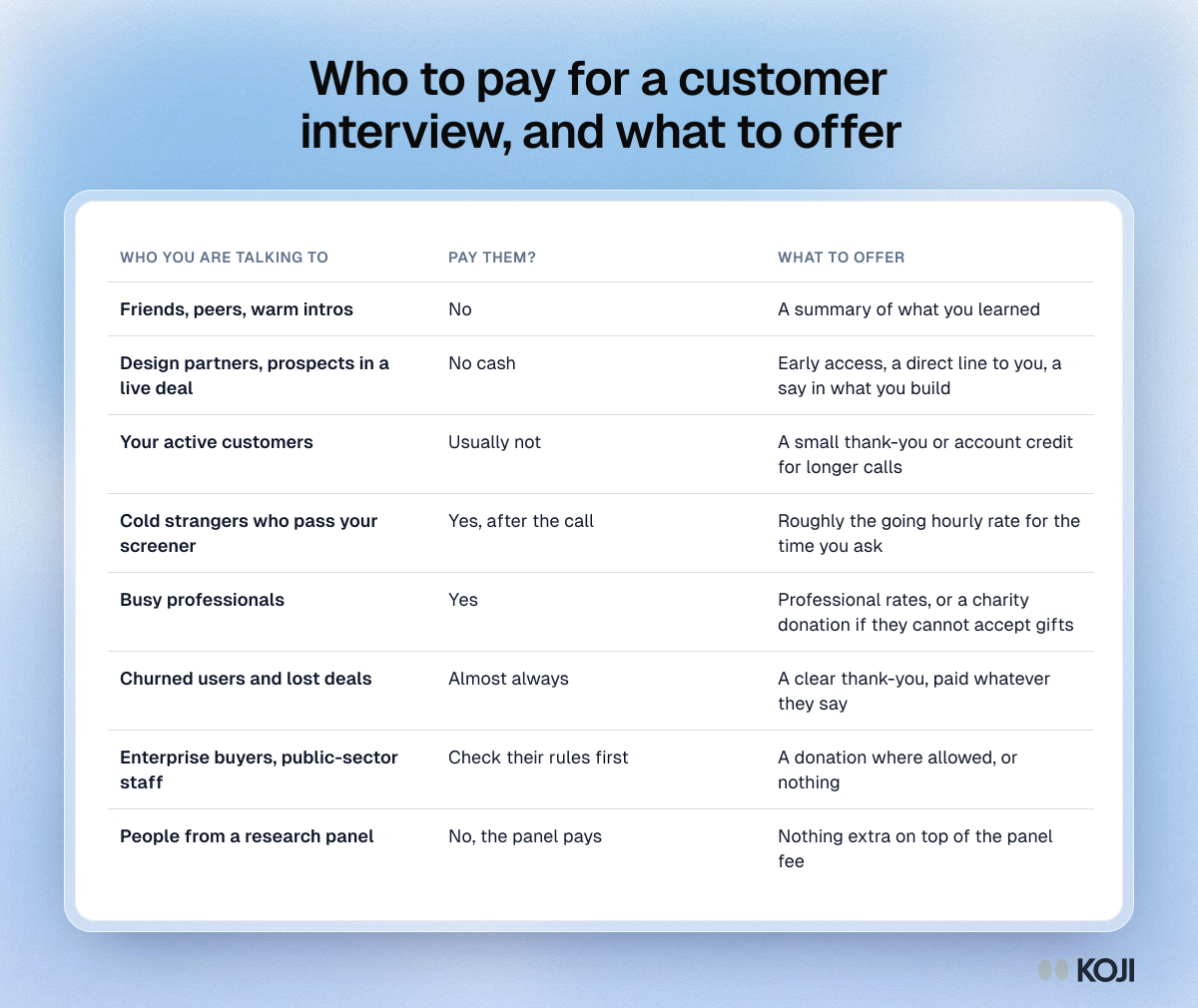
Table of whether to pay eight kinds of interviewee, from friends and design partners to churned users and enterprise buyers, and what to offer

Reference table

Who to pay for a customer interview, and what to offer
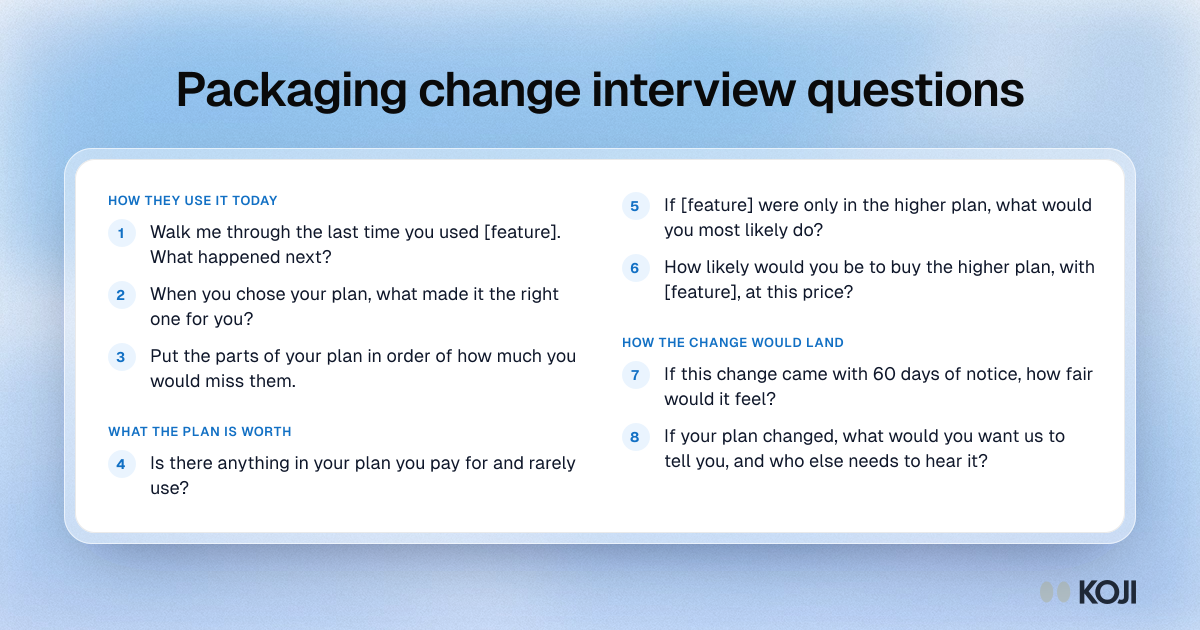
Question bank for packaging change interviews in three sections: how they use the feature today, what the plan is worth to them, and how the change would land.

Question bank

Packaging change interview questions