Free to save and share

Frameworks and cheat sheets for customer research

Every framework, checklist and comparison from our guides, as an image you can download, drop into a deck or share with your team.
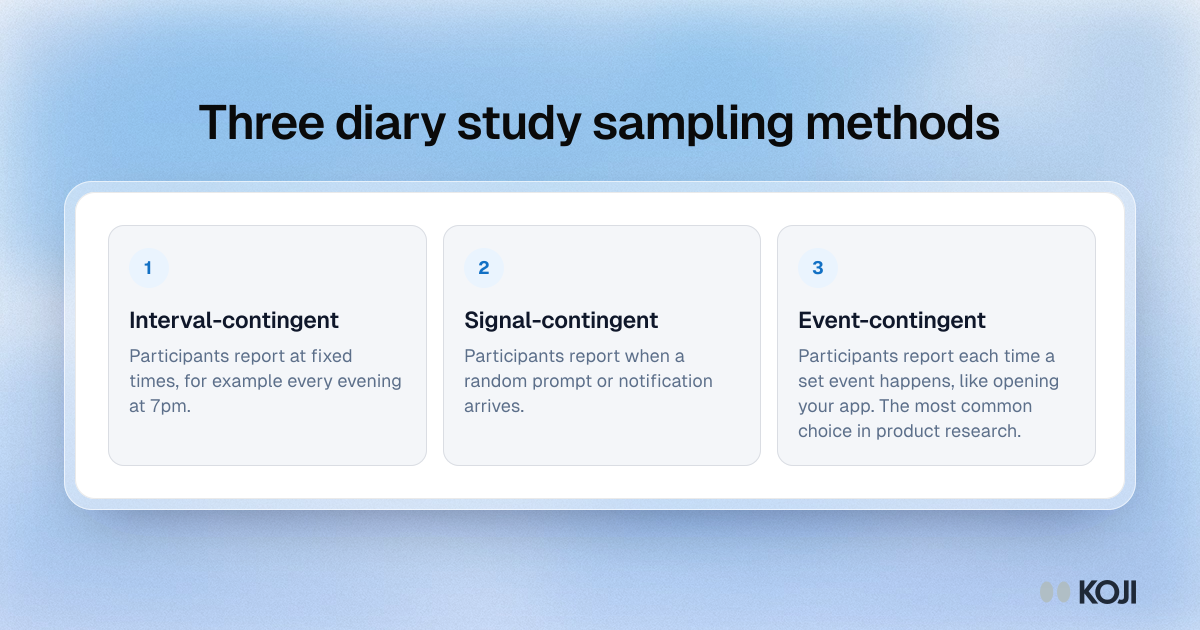
Framework of three diary study sampling methods: interval-contingent at fixed times, signal-contingent on a random prompt and event-contingent after an event.

Framework

Three diary study sampling methods
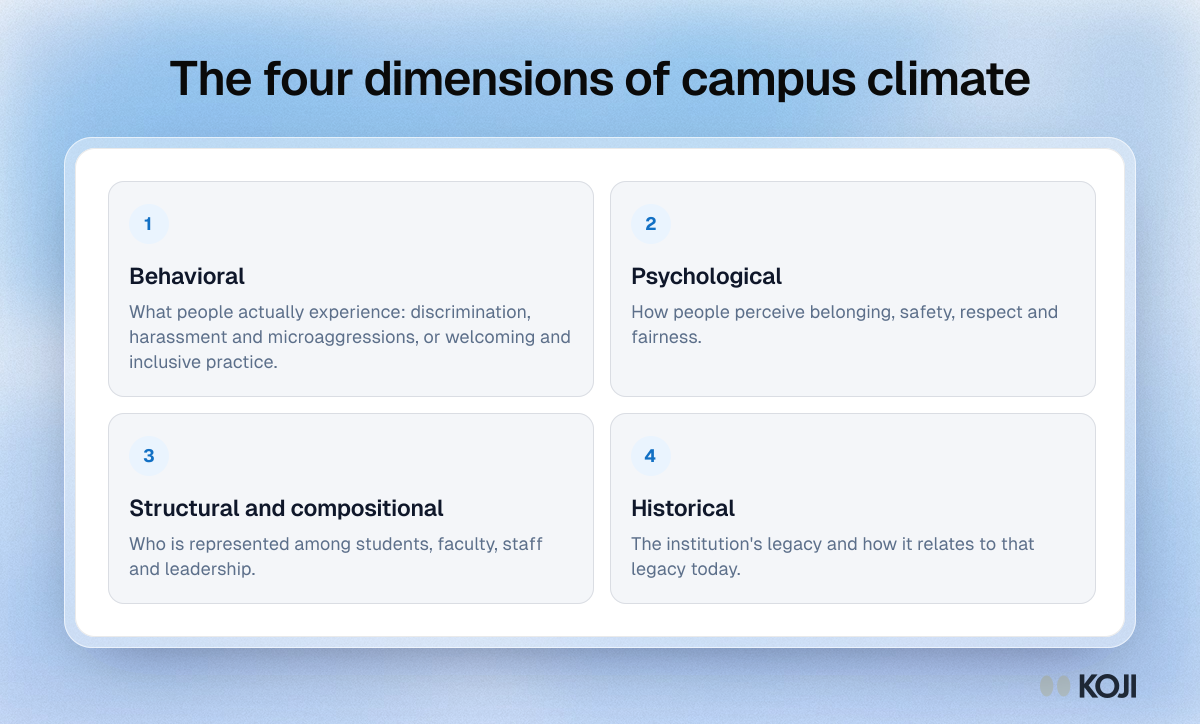
Framework of the four dimensions of campus climate: behavioral, psychological, structural and compositional, and historical.

Framework

The four dimensions of campus climate
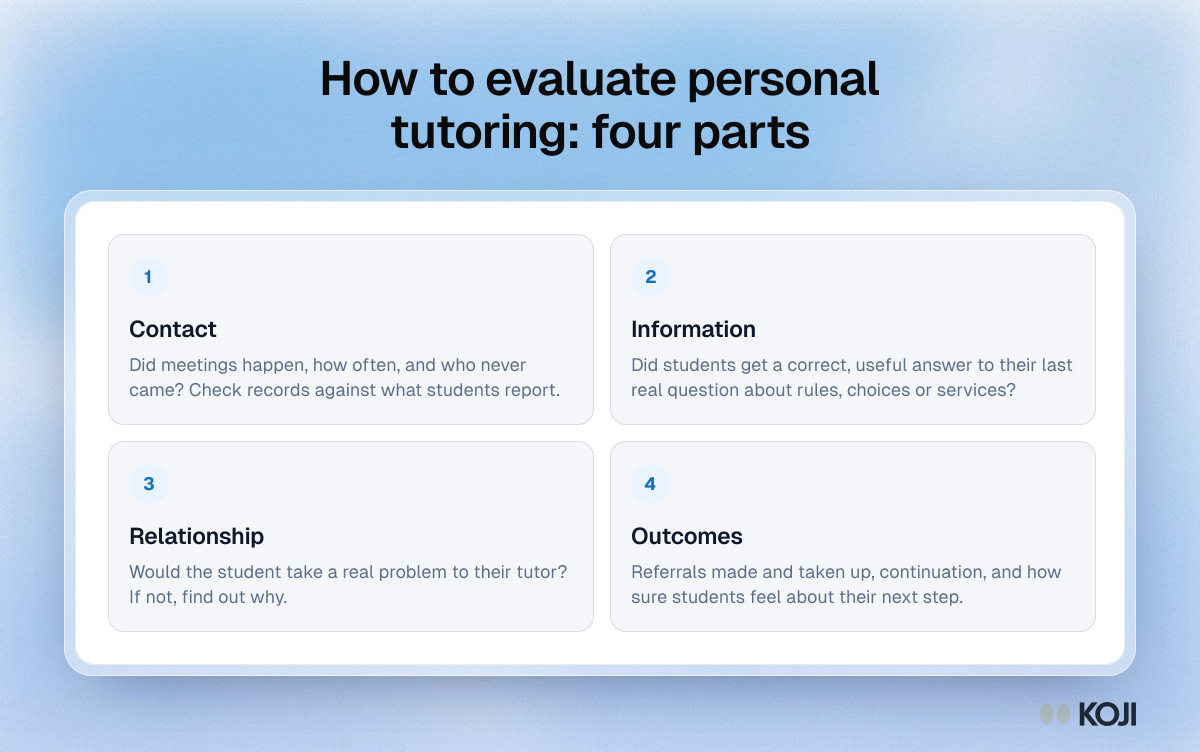
Framework for evaluating personal tutoring in four parts: contact, information, relationship and outcomes, each with the evidence to collect.

Framework

How to evaluate personal tutoring: four parts
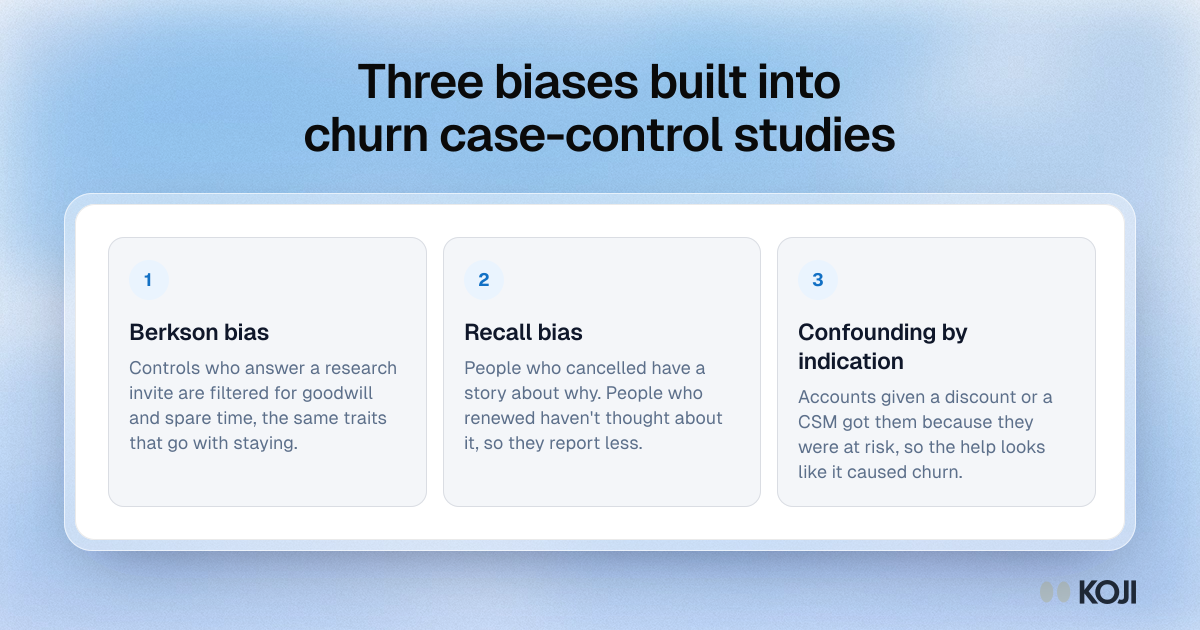
Framework of three biases in churn case-control research: Berkson bias from who answers invites, recall bias, and confounding by indication.

Framework

Three biases built into churn case-control studies
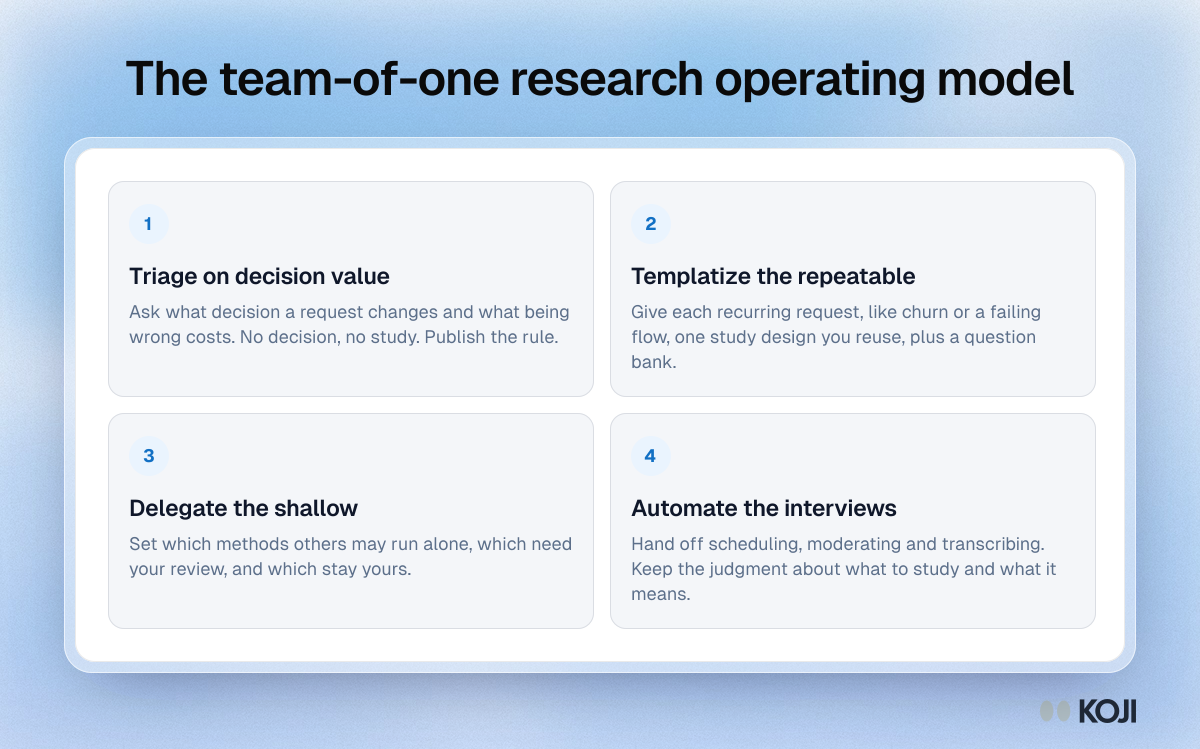
Framework for a solo researcher with four parts: triage requests on decision value, templatize repeat studies, delegate shallow work and automate interviews.

Framework

The team-of-one research operating model
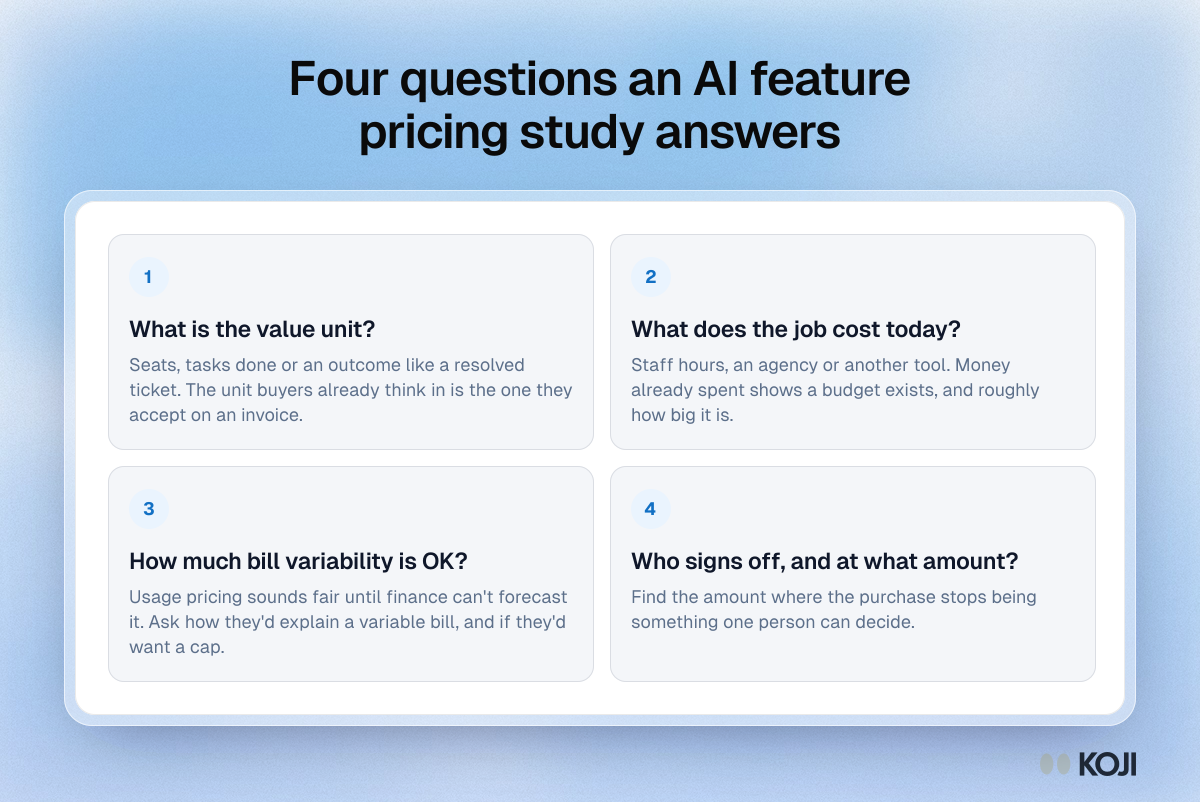
Framework of four questions for pricing an AI feature: the value unit, what the job costs today, tolerance for variable bills and who signs off.

Framework

Four questions an AI feature pricing study answers
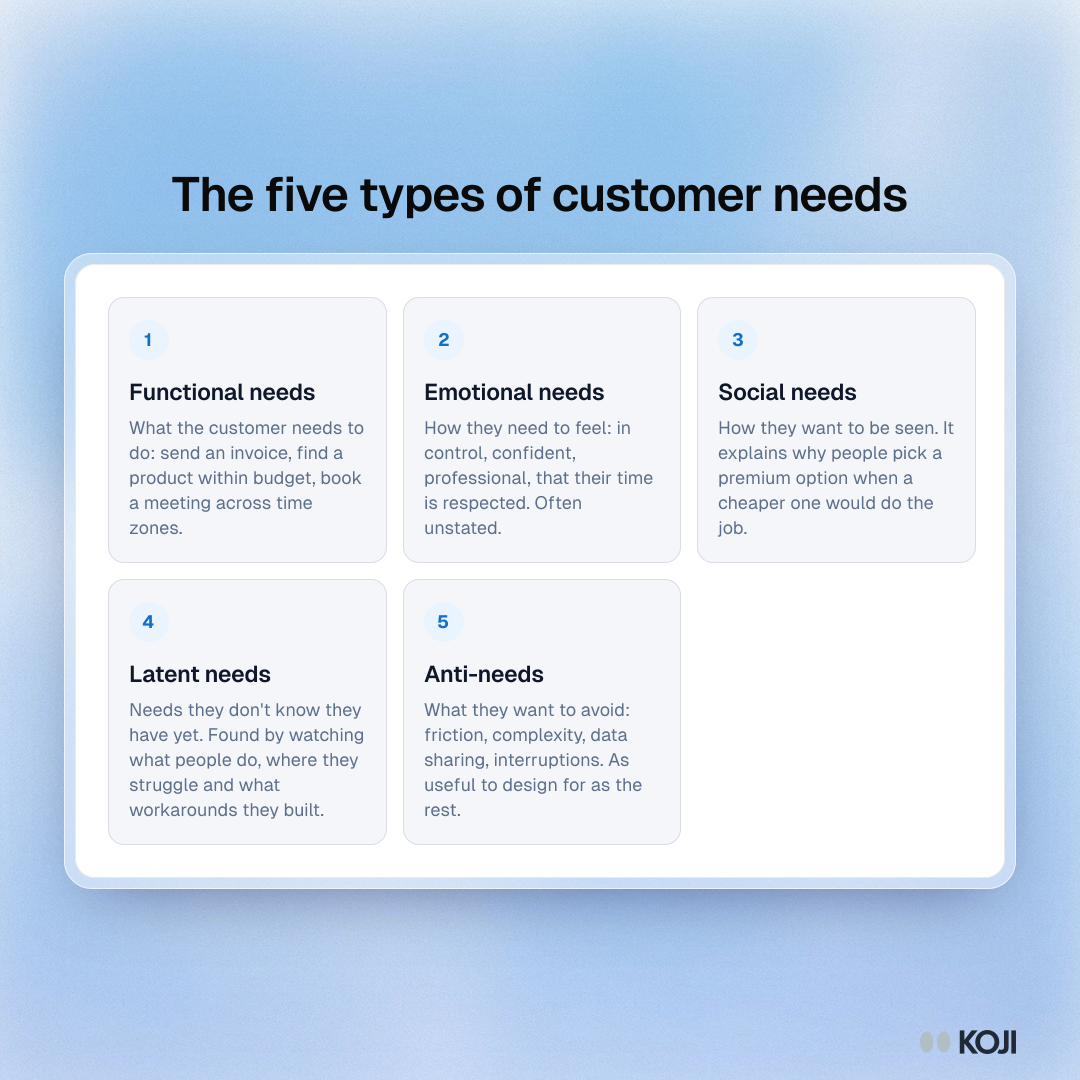
Framework of five types of customer needs: functional, emotional, social, latent and anti-needs, each with a short example of what it covers

Framework

The five types of customer needs
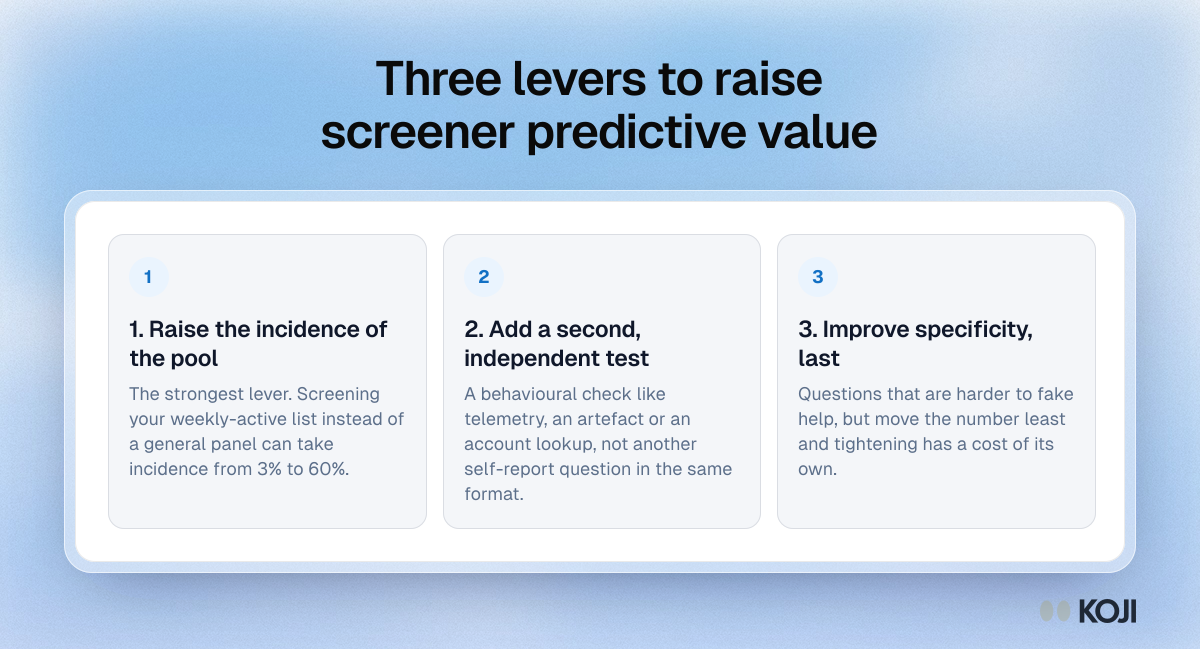
Framework of three levers to raise a screener's predictive value, strongest first: raise pool incidence, add an independent test, then improve specificity

Framework

Three levers to raise screener predictive value
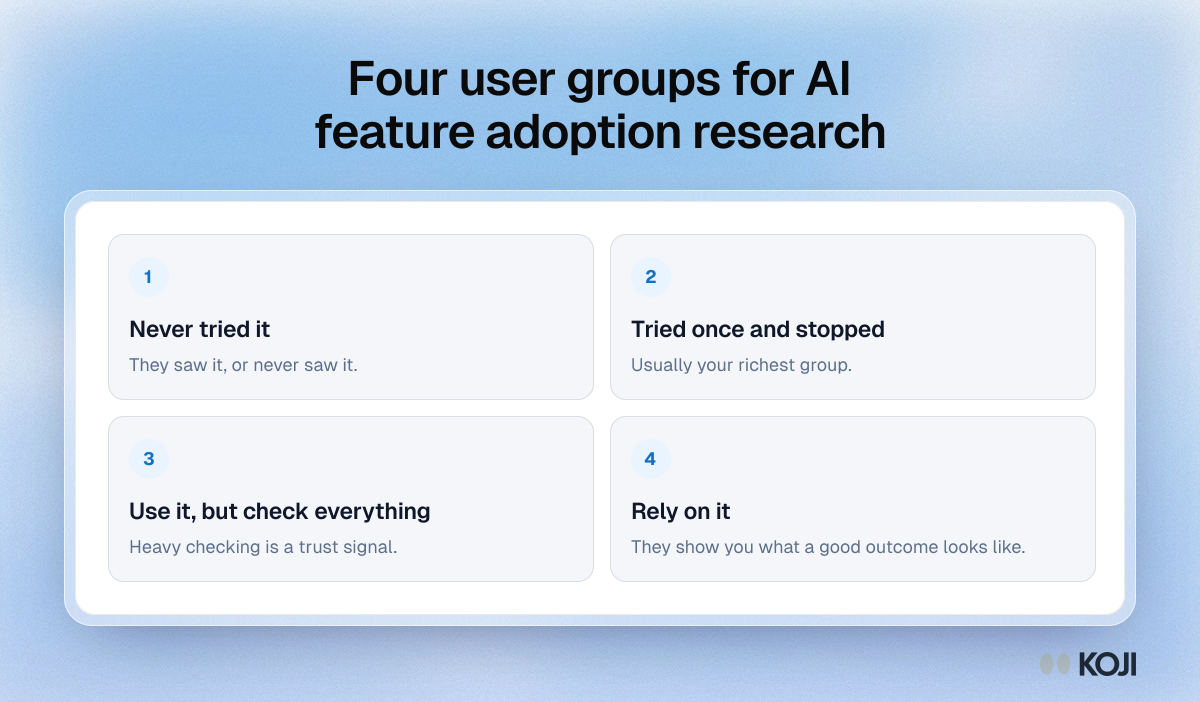
Framework of four groups to sample for AI feature adoption research: never tried it, tried once and stopped, use it but check everything, rely on it.

Framework

Four user groups for AI feature adoption research
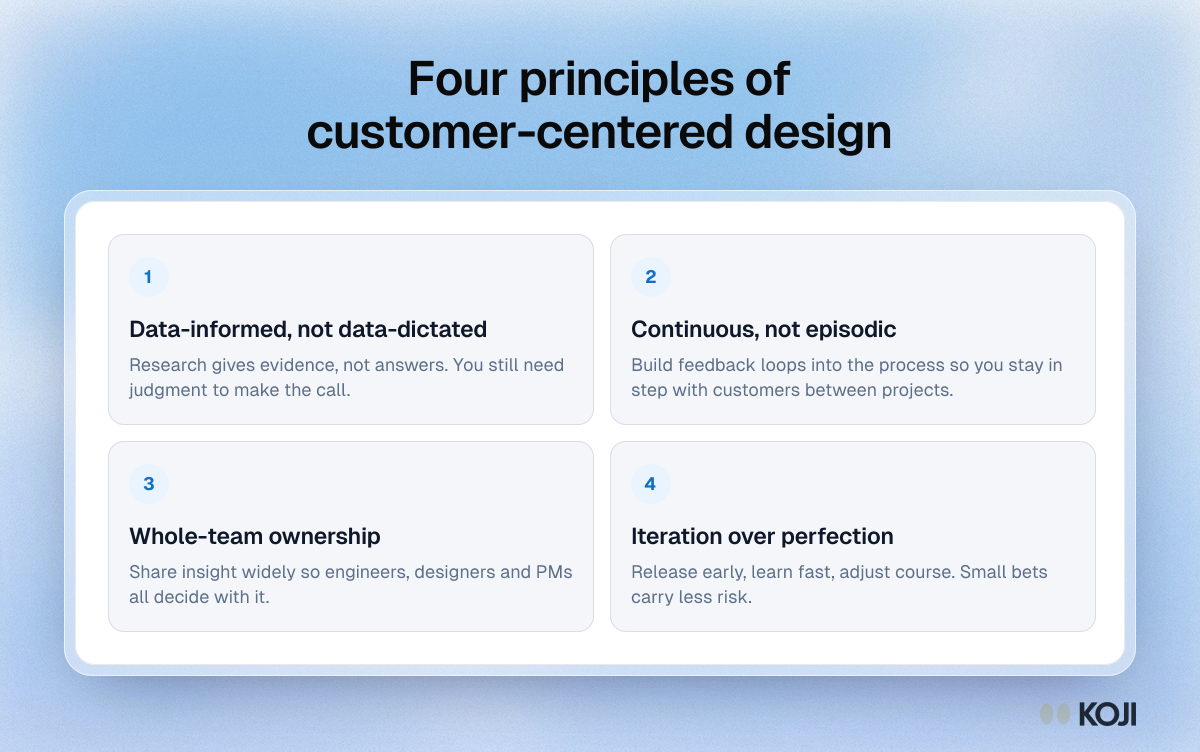
Framework of four principles of customer-centered design: data-informed decisions, continuous research, whole-team ownership and iteration.

Framework

Four principles of customer-centered design
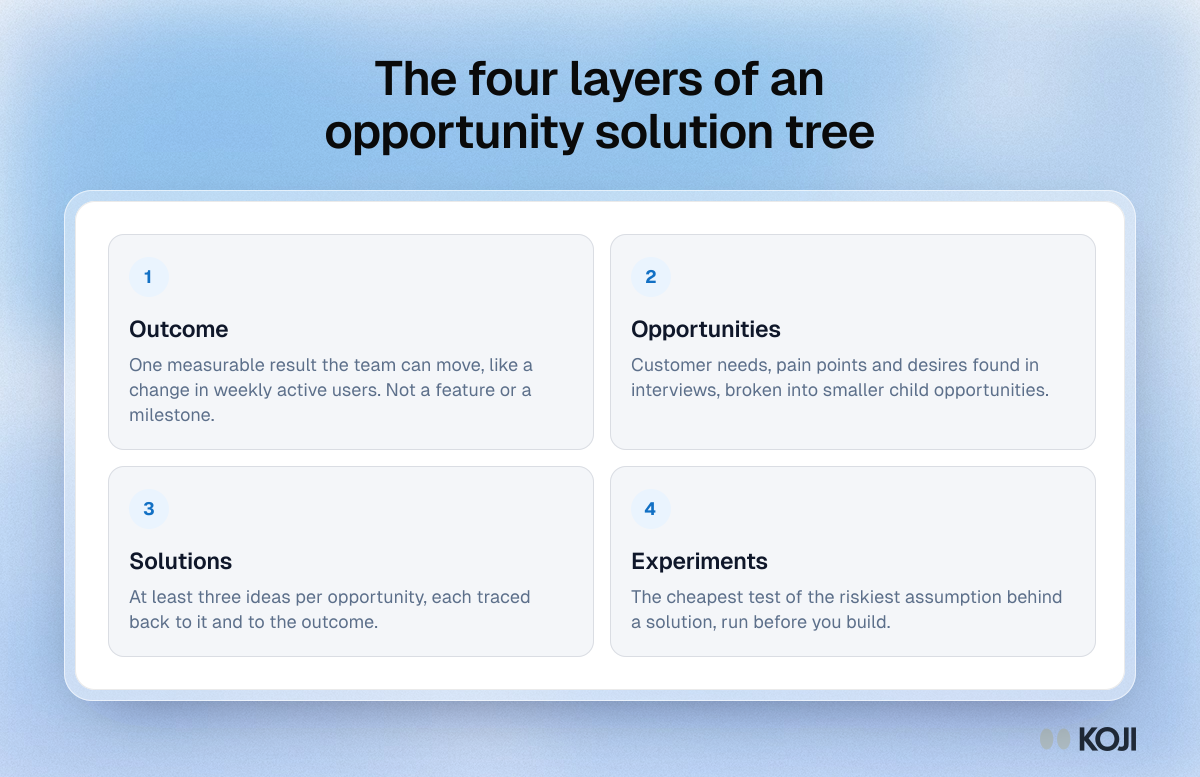
Framework showing the four layers of an opportunity solution tree: one outcome, customer opportunities, solutions and the experiments that test them.

Framework

The four layers of an opportunity solution tree
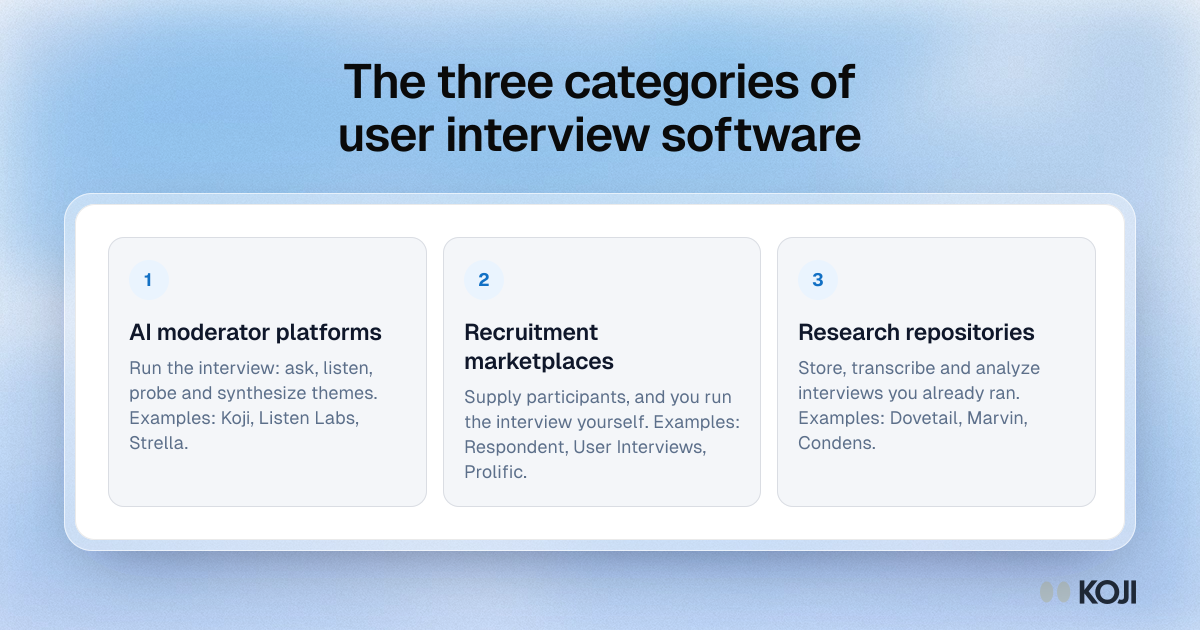
Framework of the three categories of user interview software: AI moderator platforms, recruitment marketplaces and research repositories, with examples.

Framework

The three categories of user interview software
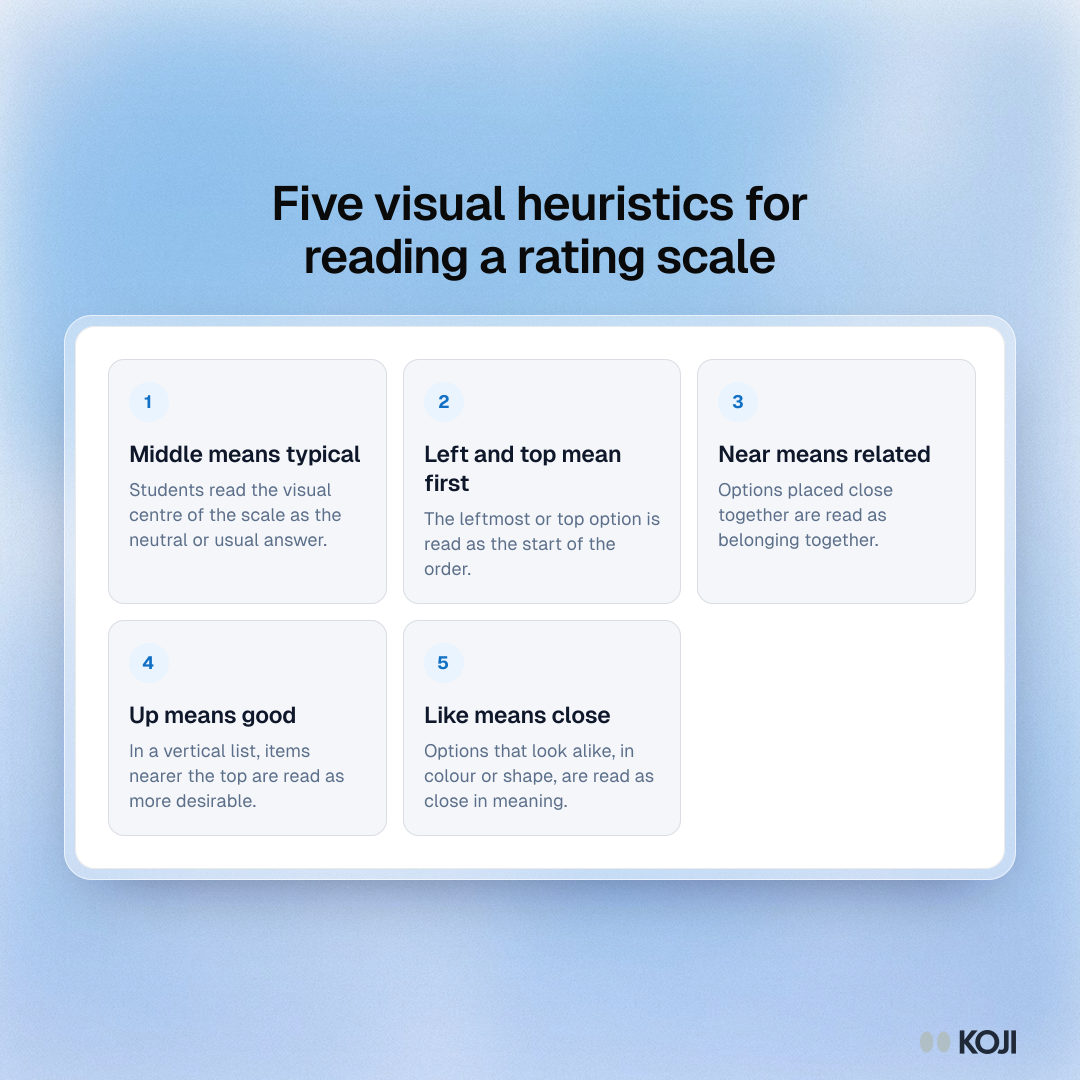
Framework of five visual heuristics for reading a rating scale: middle means typical, left and top first, near is related, up is good, like is close.

Framework

Five visual heuristics for reading a rating scale
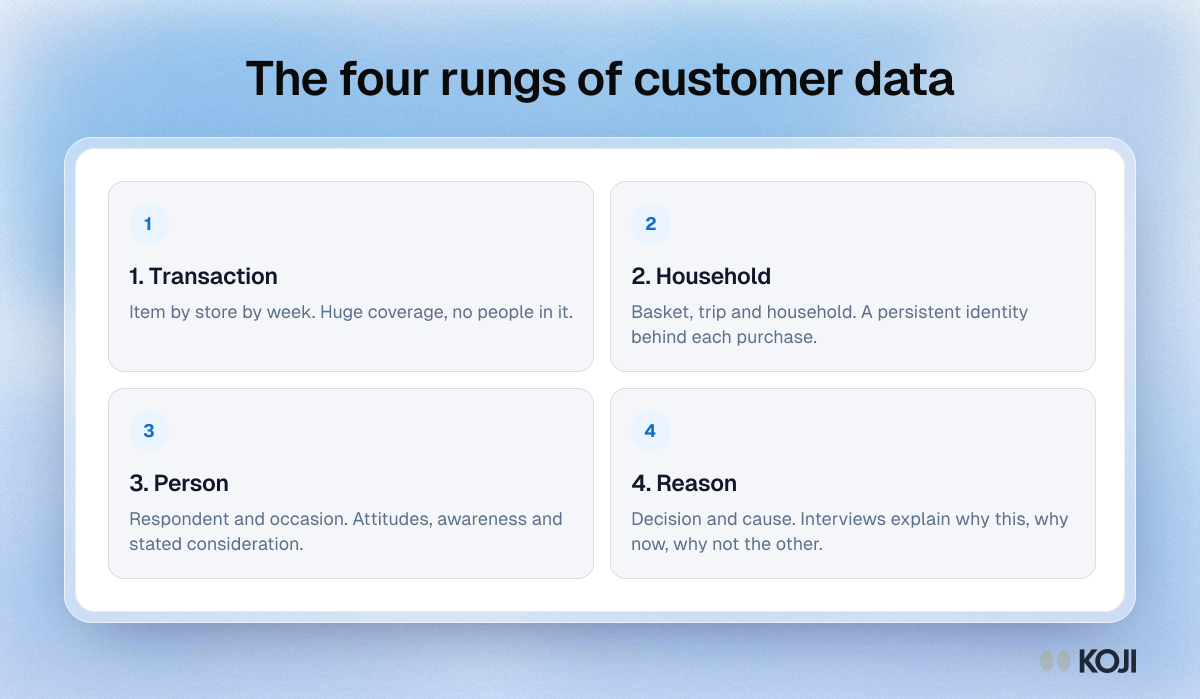
Framework showing the four rungs of customer data: transaction, household, person and reason, from broad retail measurement down to interviews.

Framework

The four rungs of customer data
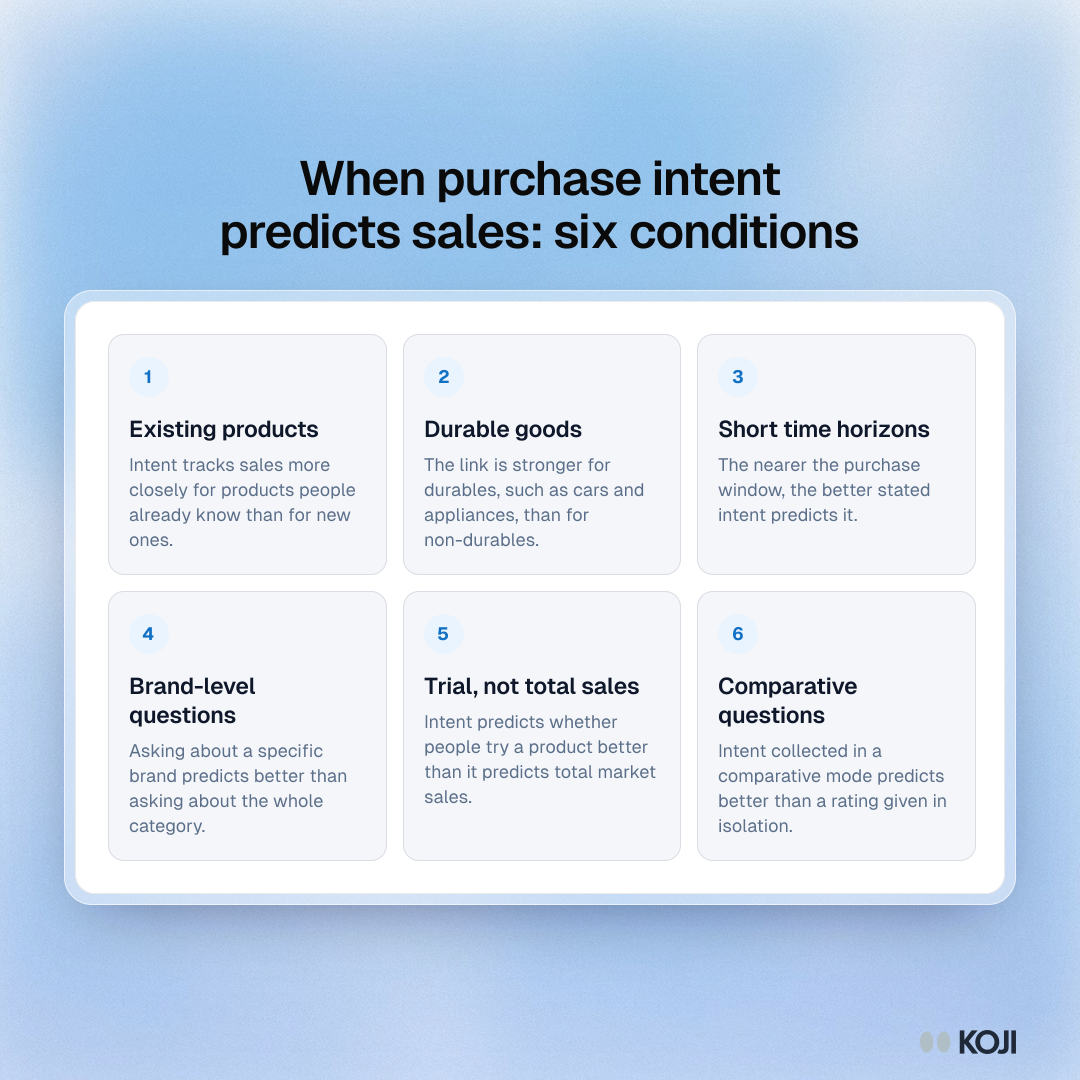
Framework of six conditions under which stated purchase intentions predict real sales best, from Morwitz, Steckel and Gupta's meta-analysis

Framework

When purchase intent predicts sales: six conditions
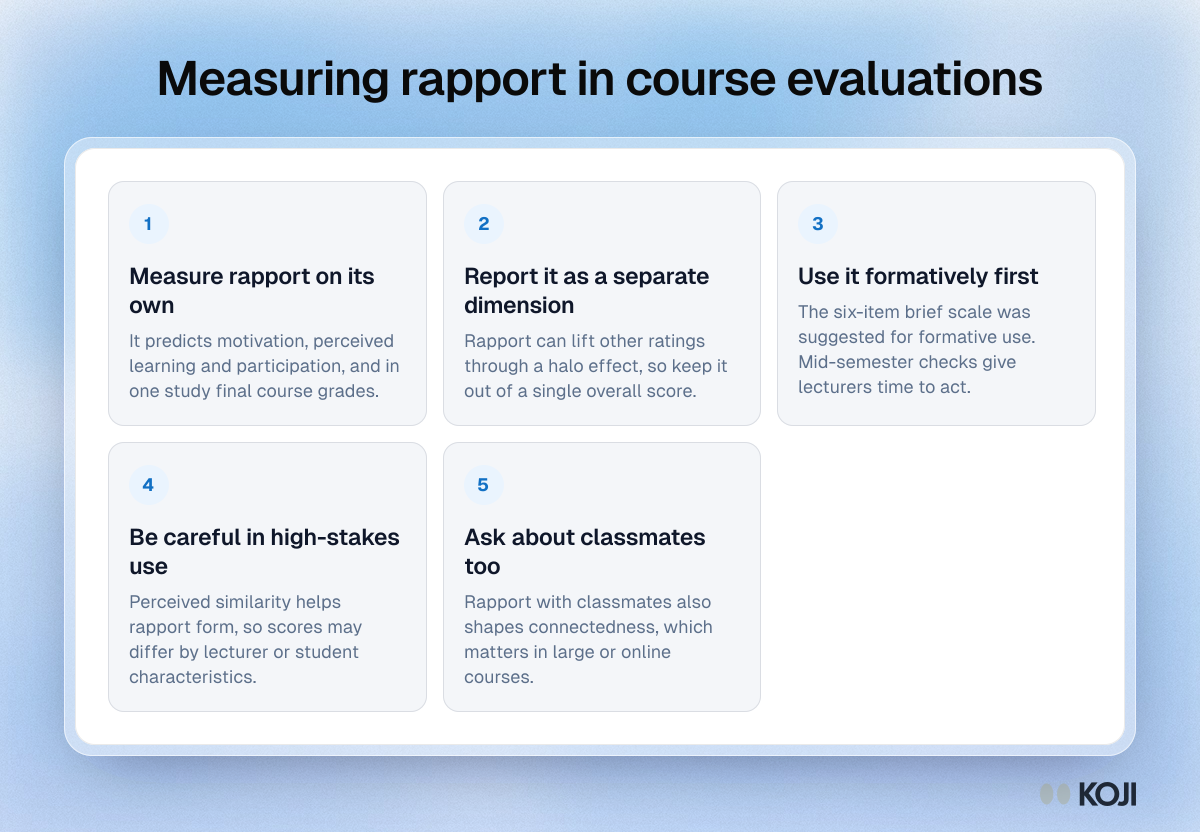
Framework of five rules for rapport in course evaluations, from measuring it on its own to reporting it apart from the overall score.

Framework

Measuring rapport in course evaluations
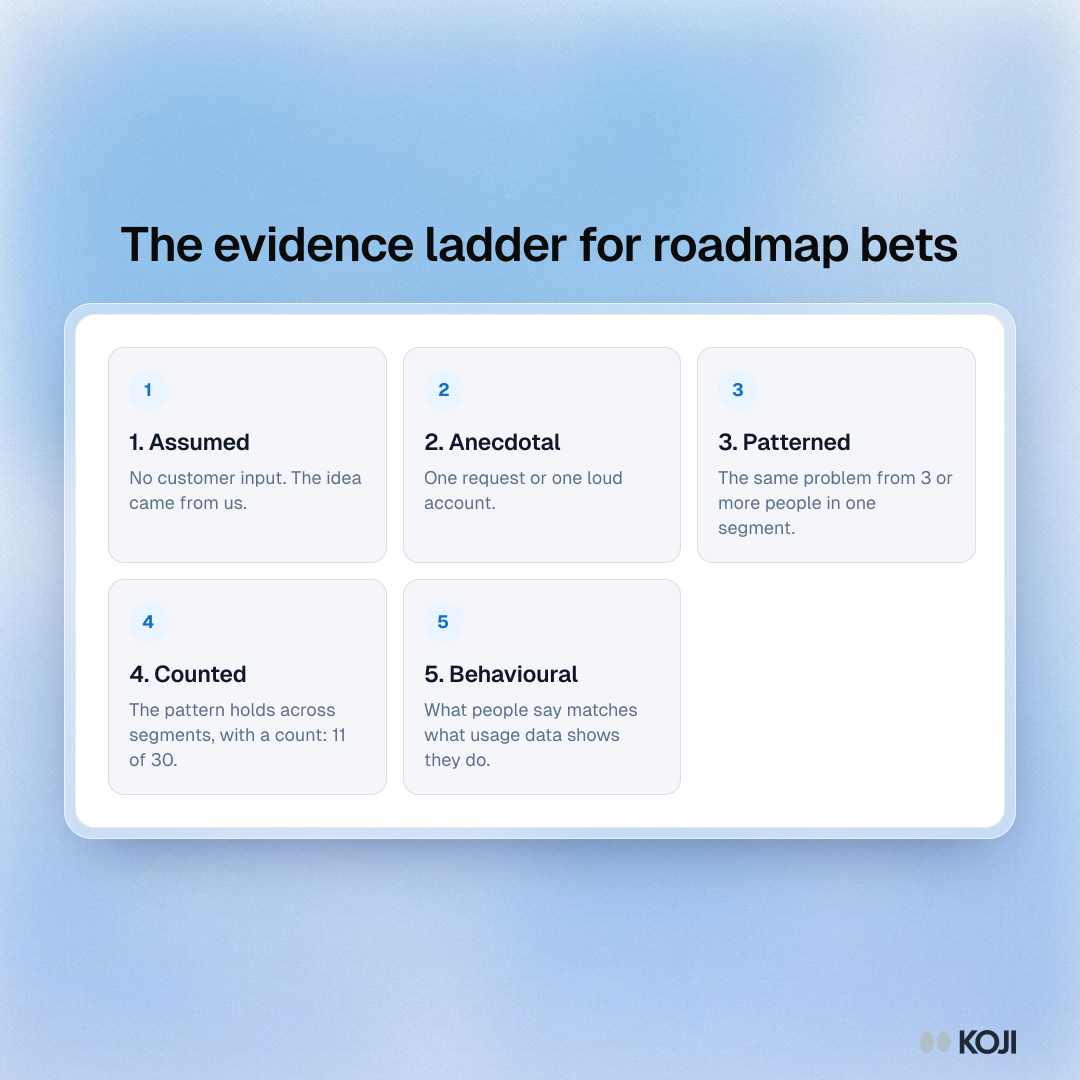
Framework showing five evidence grades for a roadmap bet, from assumed and anecdotal through patterned and counted to behavioural.

Framework

The evidence ladder for roadmap bets
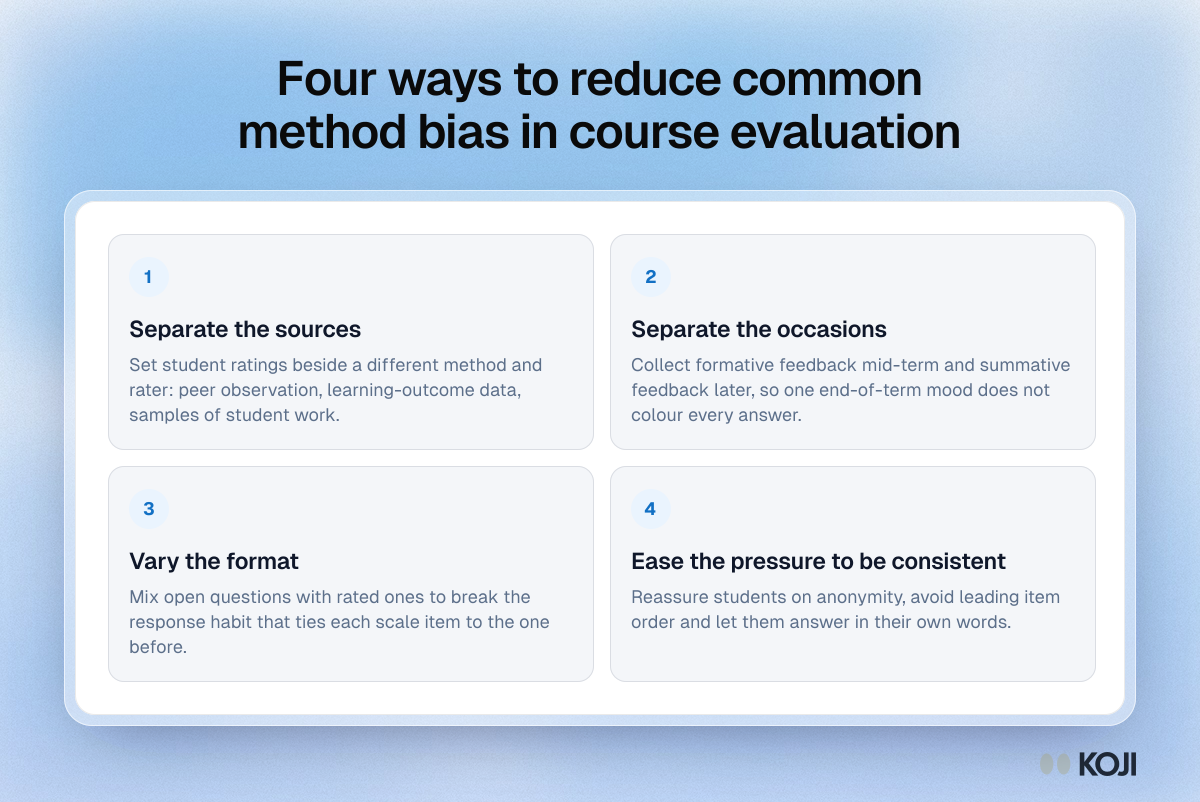
Framework of four ways to reduce common method variance in course evaluation: separate sources and occasions, vary the format, ease consistency pressure.

Framework

Four ways to reduce common method bias in course evaluation
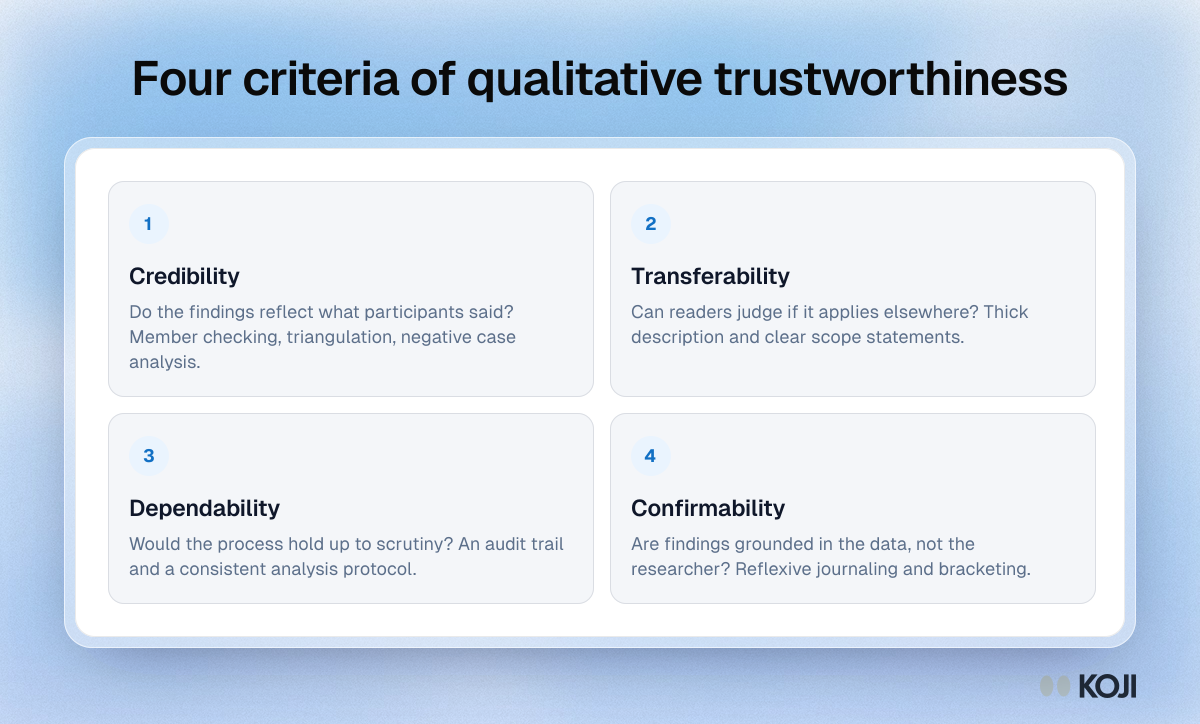
Framework of the four qualitative trustworthiness criteria: credibility, transferability, dependability and confirmability, with the main technique for each.

Framework

Four criteria of qualitative trustworthiness
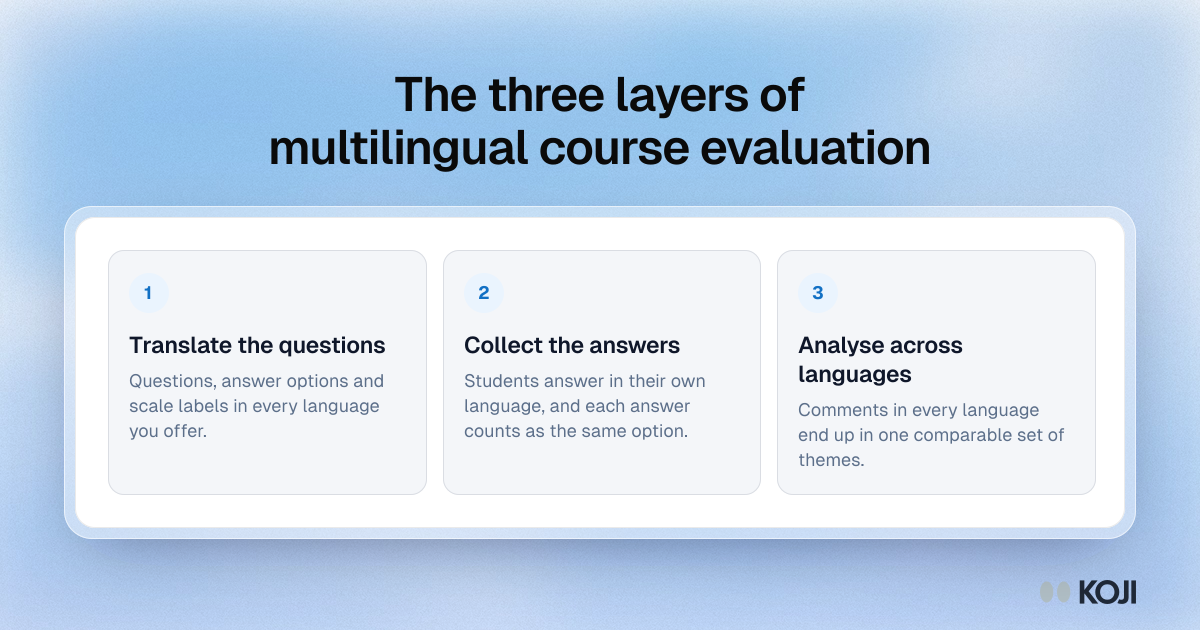
Framework showing the three layers of multilingual course evaluation: translating questions, collecting answers and analysing comments across languages.

Framework

The three layers of multilingual course evaluation
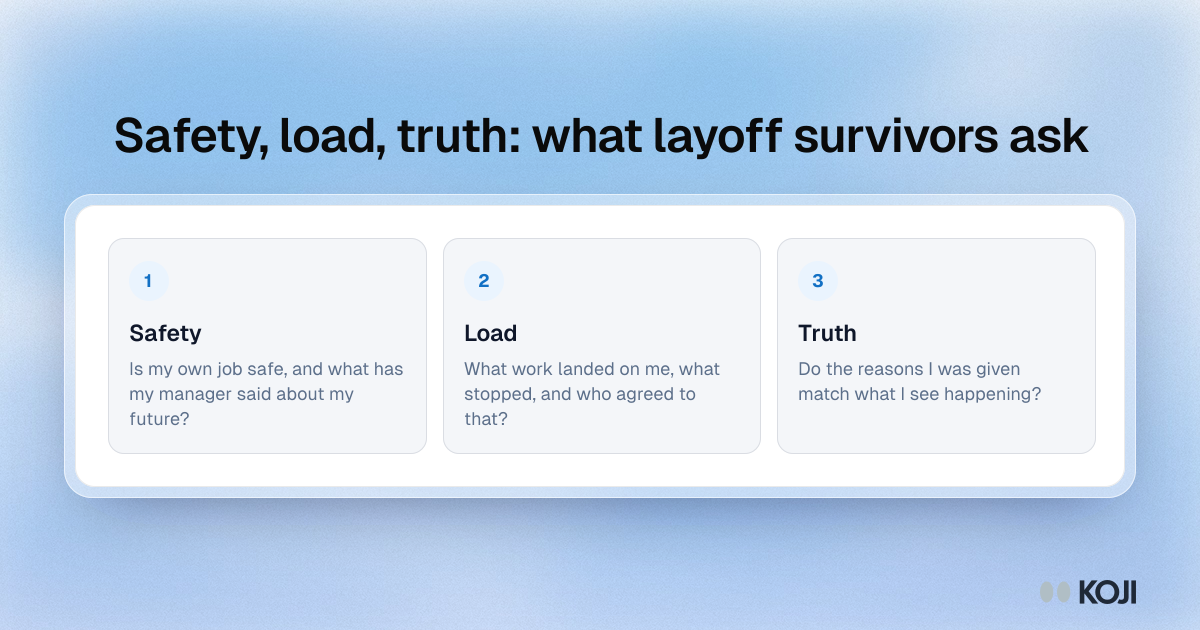
Framework of the three questions layoff survivors are working out: is my job safe, what work landed on me, and do I believe what I was told.

Framework

Safety, load, truth: what layoff survivors ask
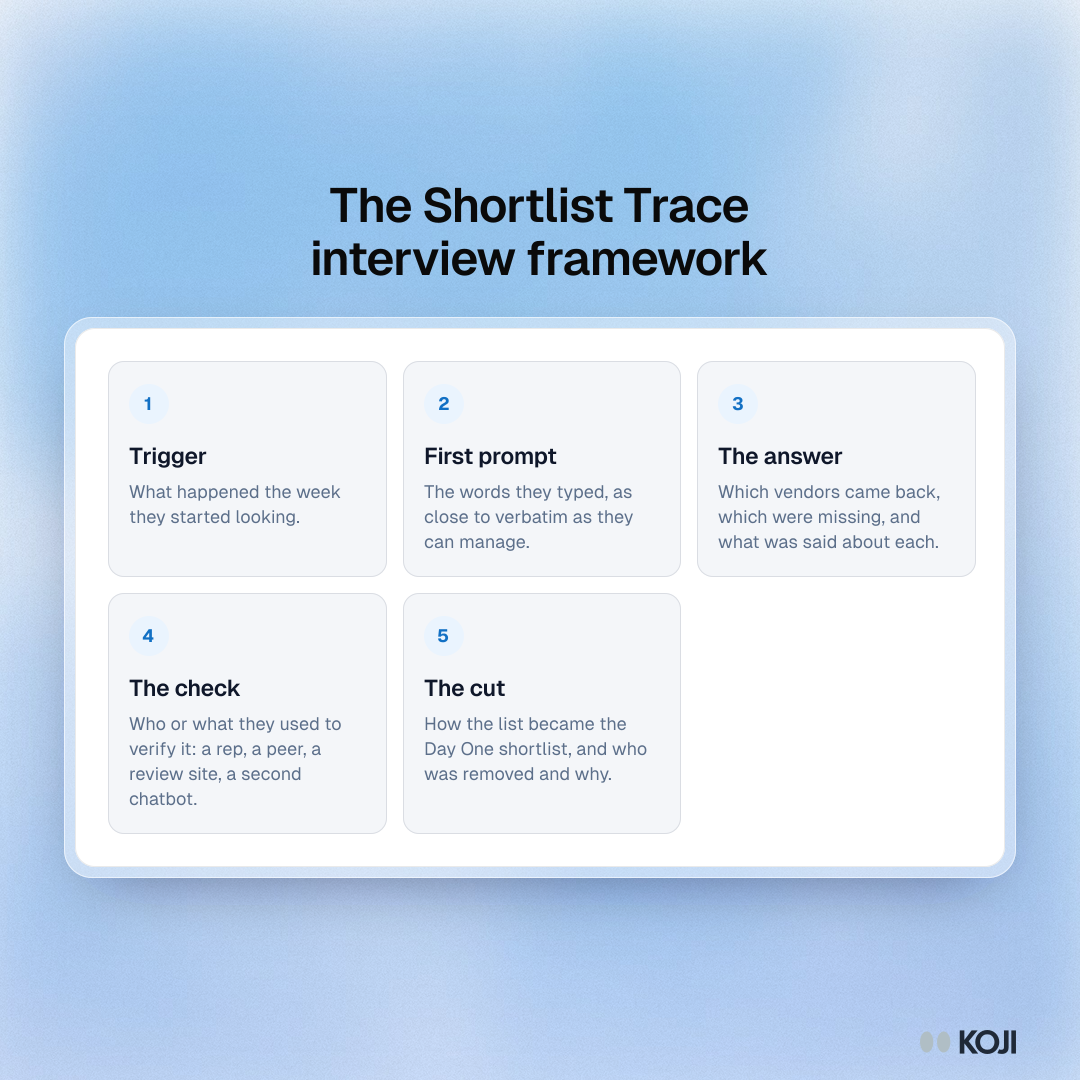
Framework showing the five passes of the Shortlist Trace interview: trigger, first prompt, the answer, the check and the cut.

Framework

The Shortlist Trace interview framework
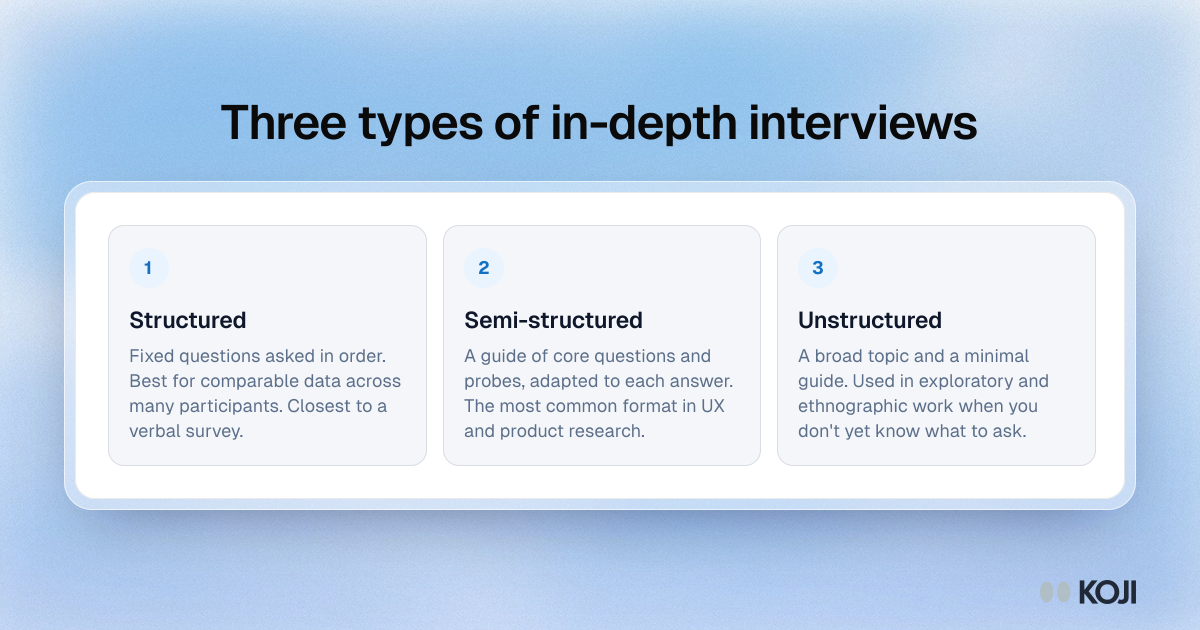
Framework showing three types of in-depth interviews, structured, semi-structured and unstructured, and when to use each one.

Framework

Three types of in-depth interviews
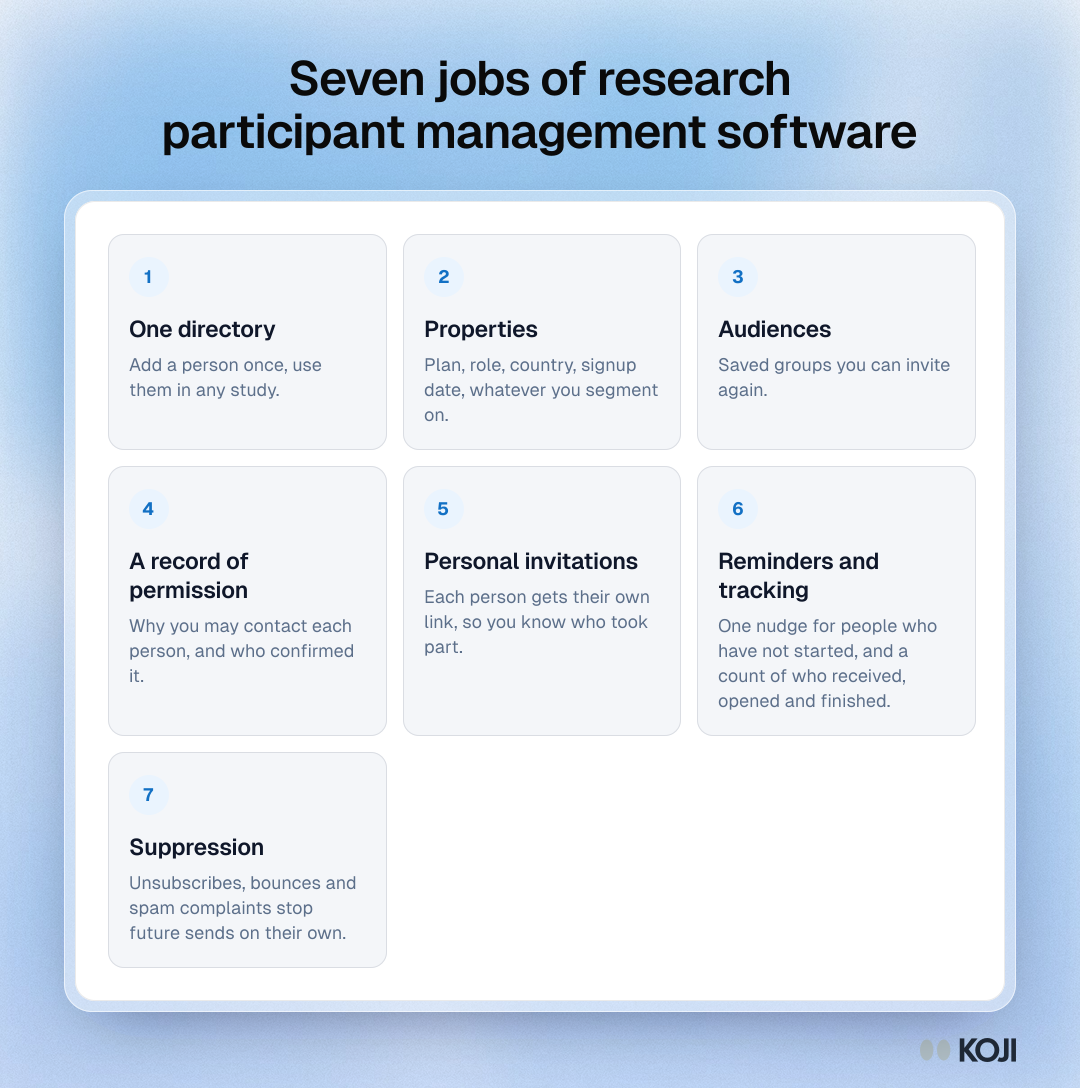
Framework showing seven jobs of research participant management software: directory, properties, audiences, consent, invites, reminders and suppression.

Framework

Seven jobs of research participant management software
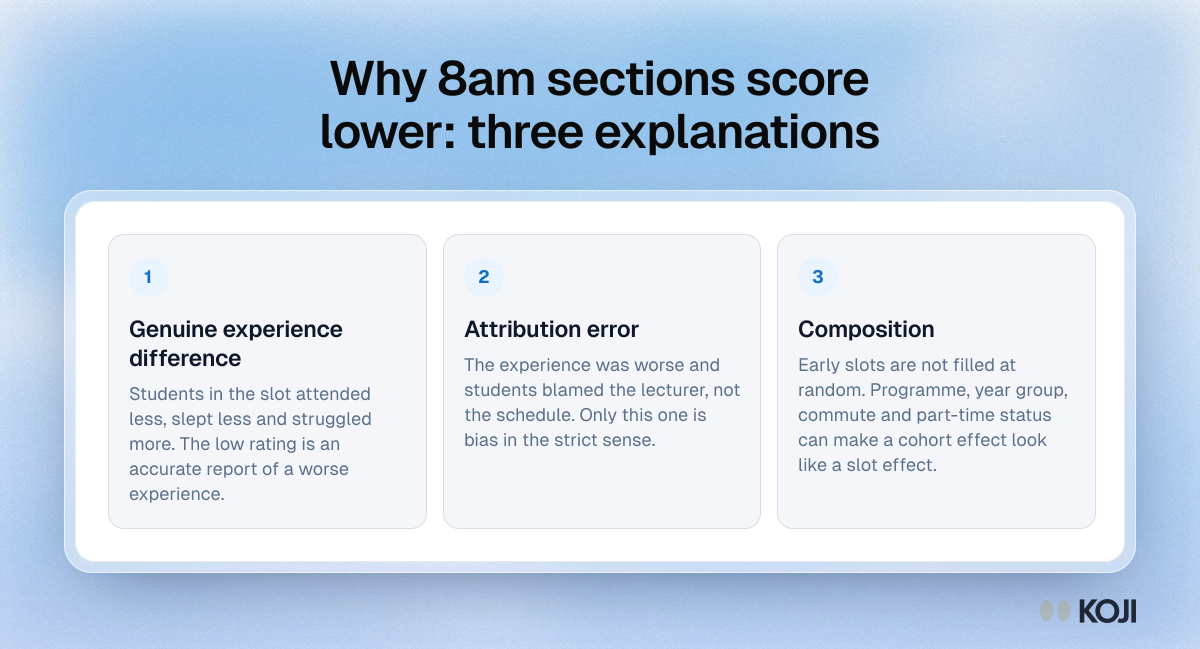
Framework showing three explanations for lower ratings in early timetable slots: a real experience difference, attribution error and cohort composition.

Framework

Why 8am sections score lower: three explanations
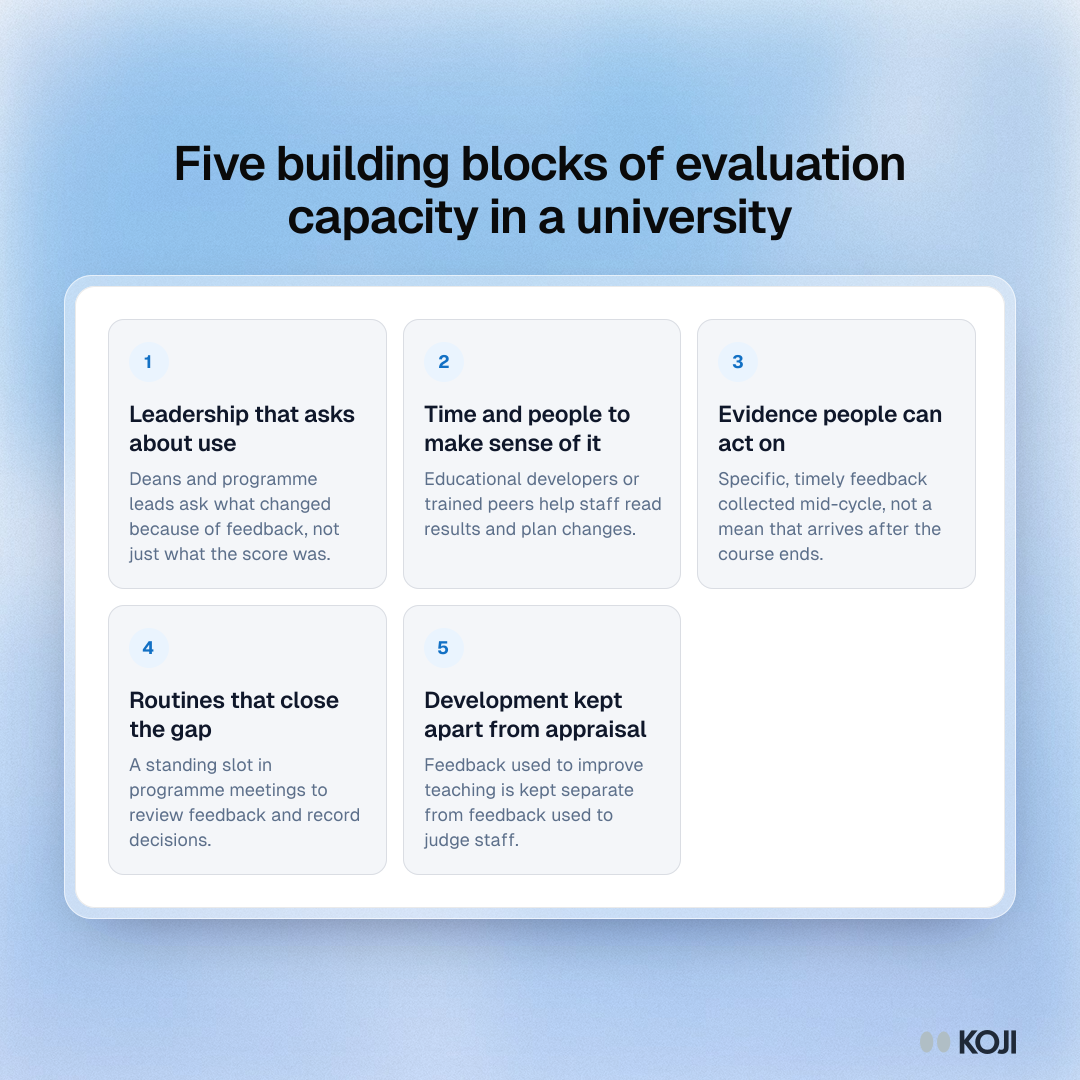
Framework showing five building blocks of evaluation capacity in a university, from leadership that asks about use to keeping development apart from appraisal.

Framework

Five building blocks of evaluation capacity in a university
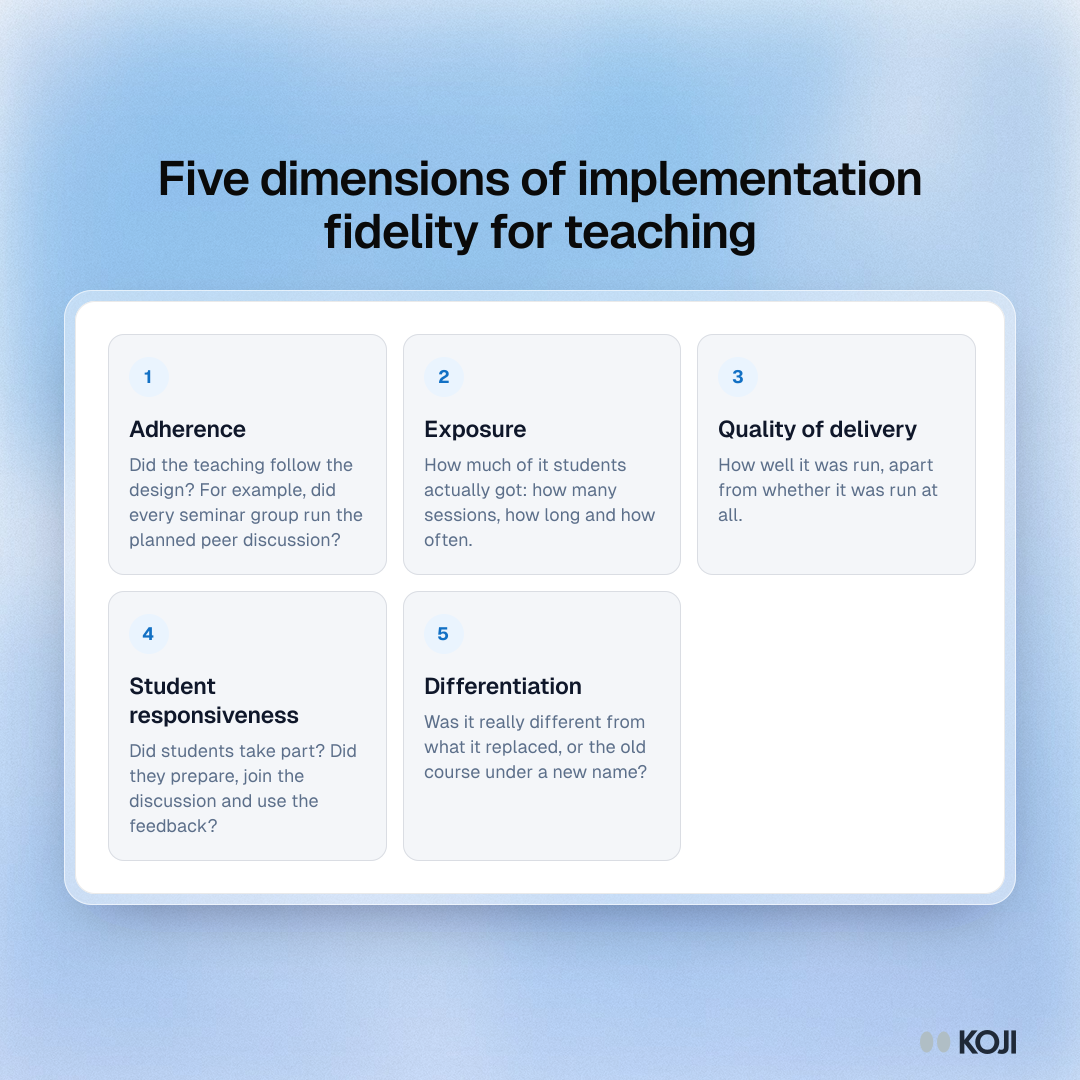
Framework showing the five dimensions of implementation fidelity: adherence, exposure, quality of delivery, student responsiveness and differentiation.

Framework

Five dimensions of implementation fidelity for teaching
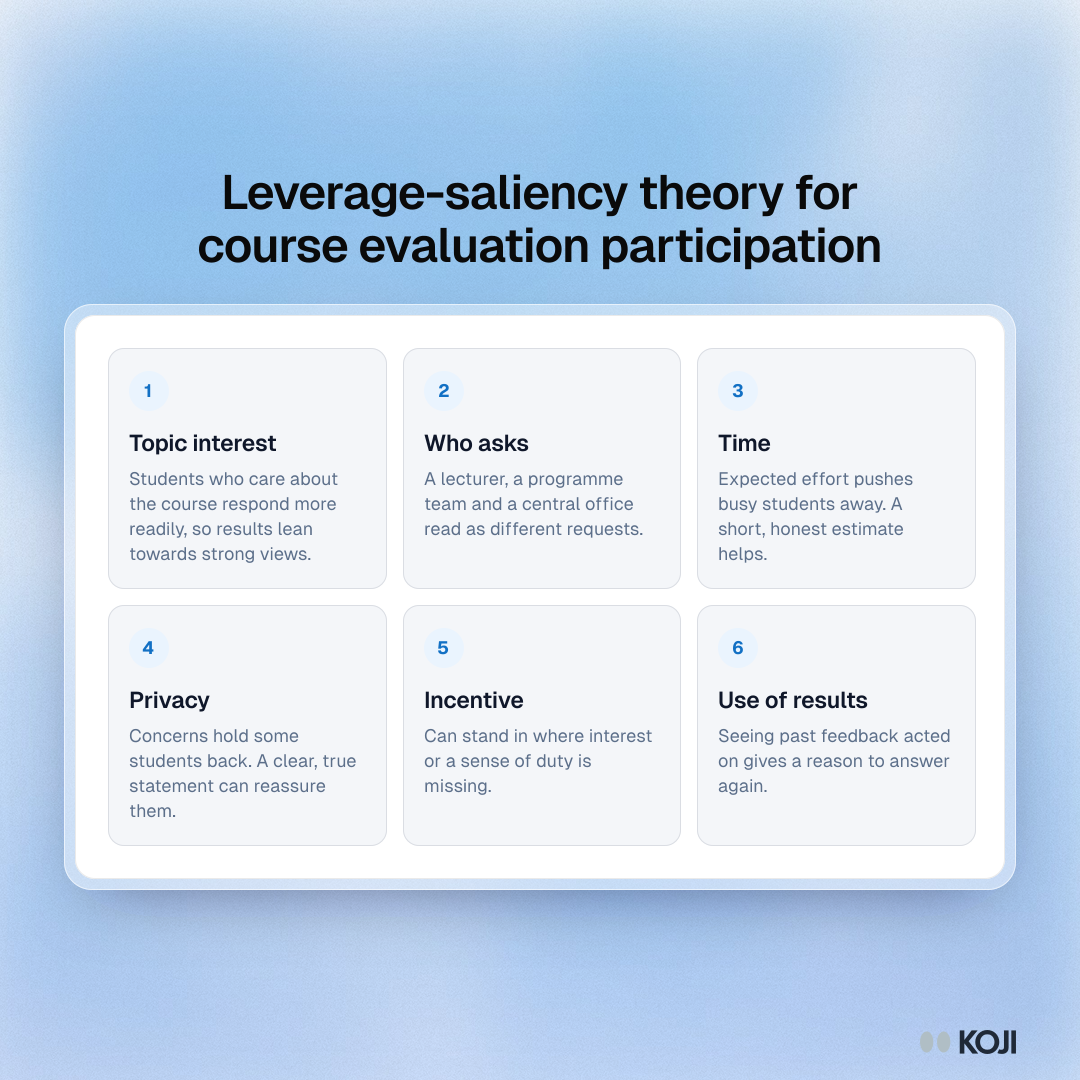
Framework of six leverage-saliency attributes that move students towards or away from a course evaluation: topic, sender, time, privacy, incentive, use.

Framework

Leverage-saliency theory for course evaluation participation
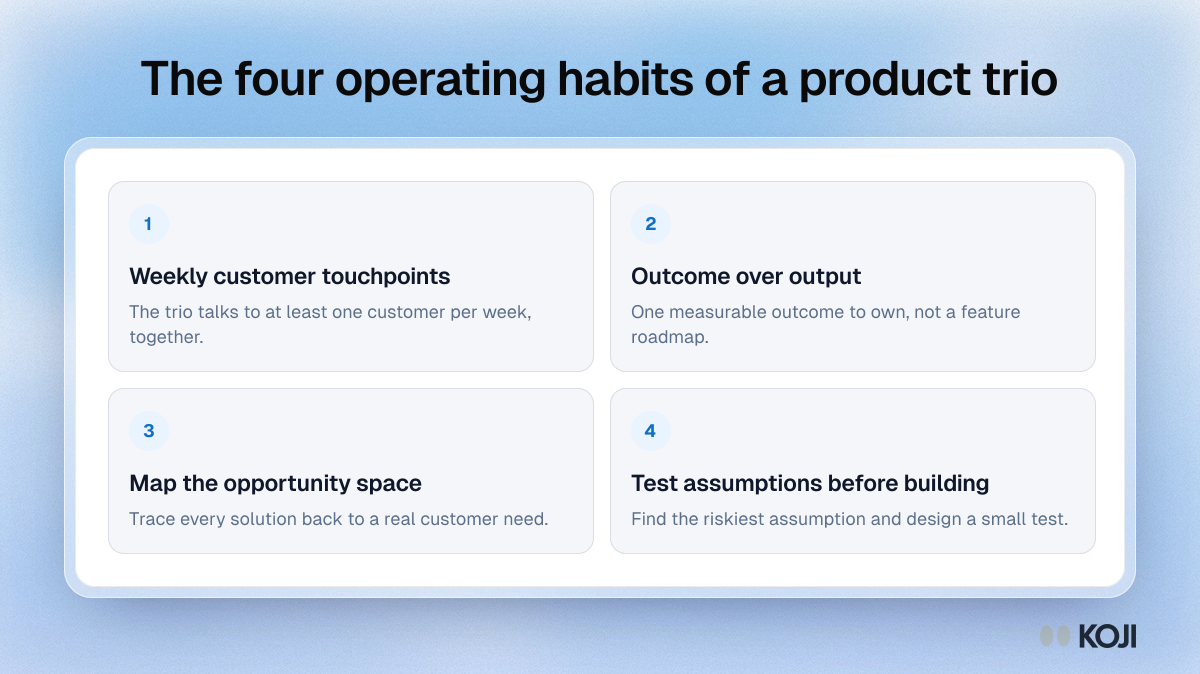
Framework of the four operating habits of a product trio: weekly customer touchpoints, outcome focus, mapping opportunities and testing assumptions.

Framework

The four operating habits of a product trio
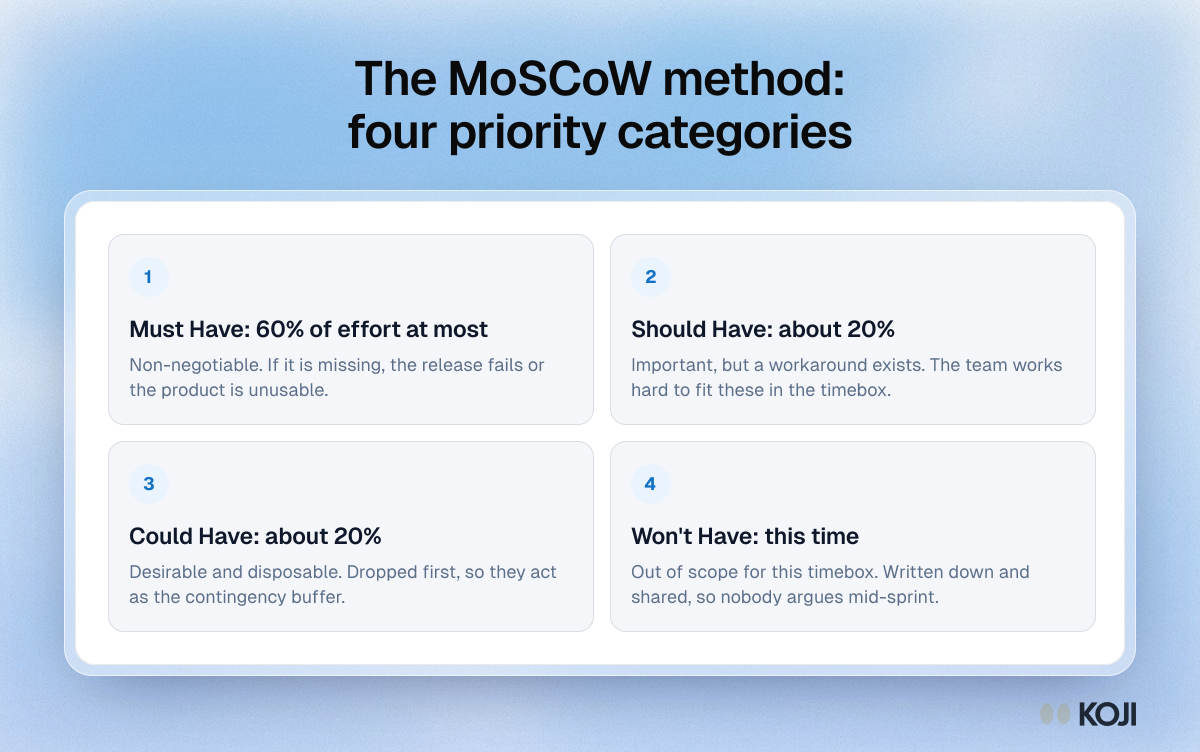
Framework showing the four MoSCoW categories, Must Have, Should Have, Could Have and Won't Have, with the share of effort each gets in a timebox.

Framework

The MoSCoW method: four priority categories
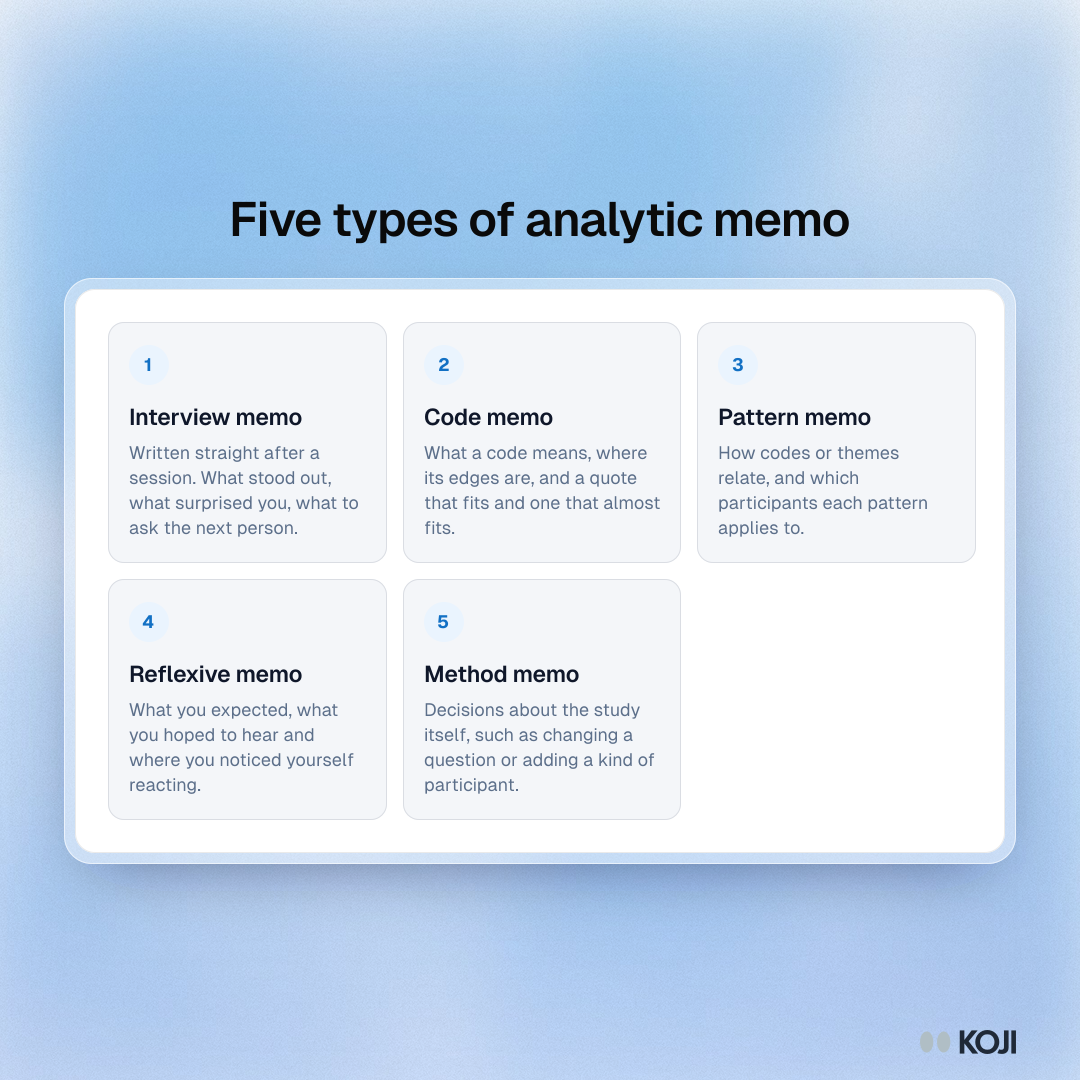
Framework of five types of analytic memo: interview, code, pattern, reflexive and method memos, with what each one records during qualitative analysis.

Framework

Five types of analytic memo
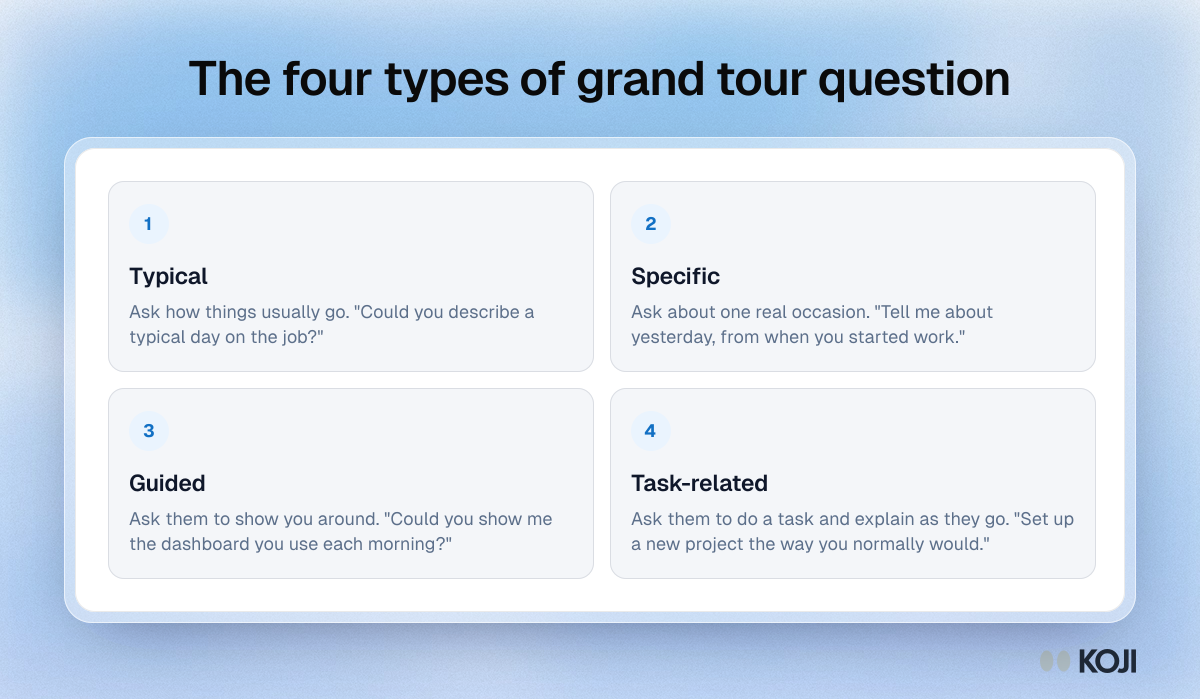
Framework showing James Spradley's four types of grand tour question: typical, specific, guided and task-related, each with an example.

Framework

The four types of grand tour question
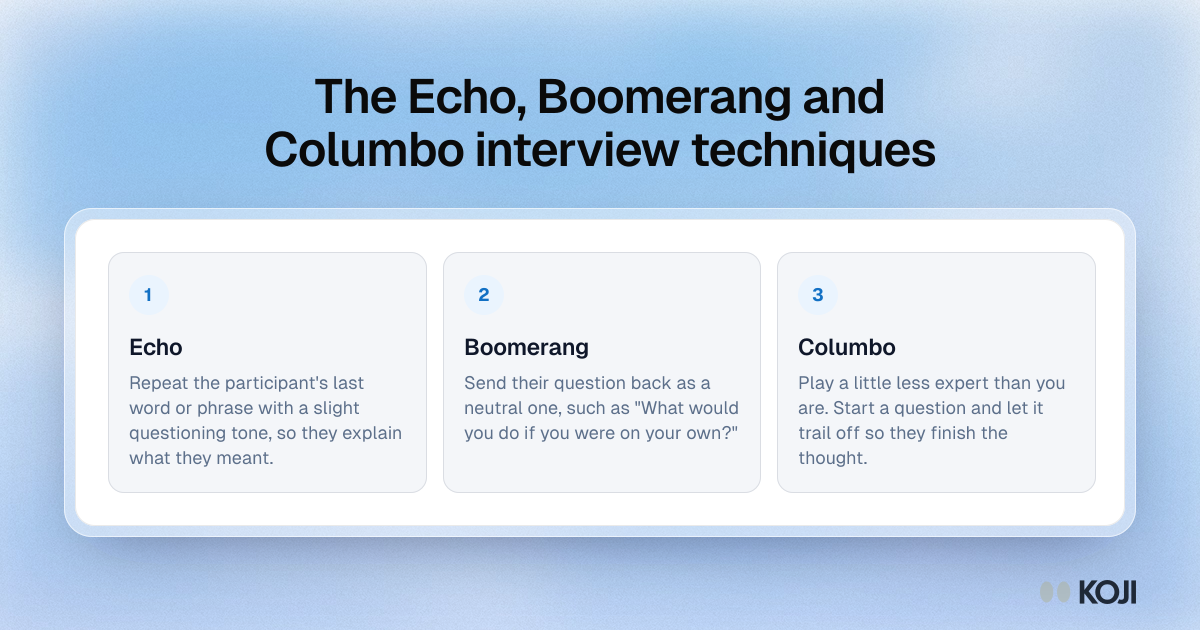
Framework showing the Echo, Boomerang and Columbo techniques for replying to participants without leading them in interviews and usability tests.

Framework

The Echo, Boomerang and Columbo interview techniques
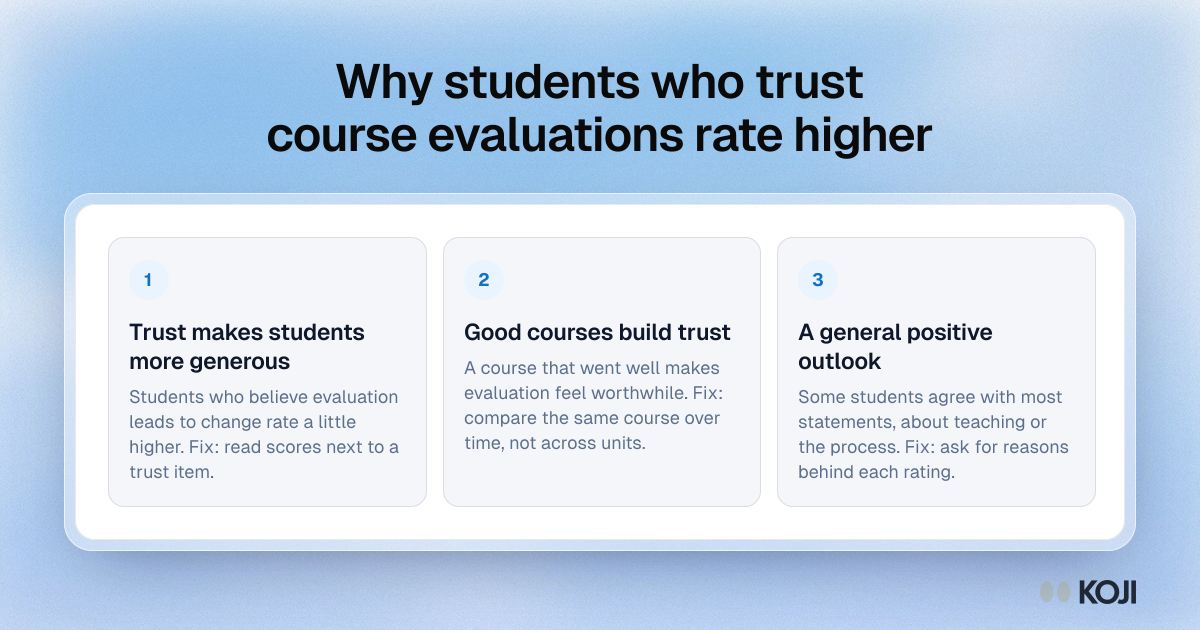
Framework with three explanations for why students who trust course evaluations give higher scores: generosity, good courses and a positive outlook.

Framework

Why students who trust course evaluations rate higher
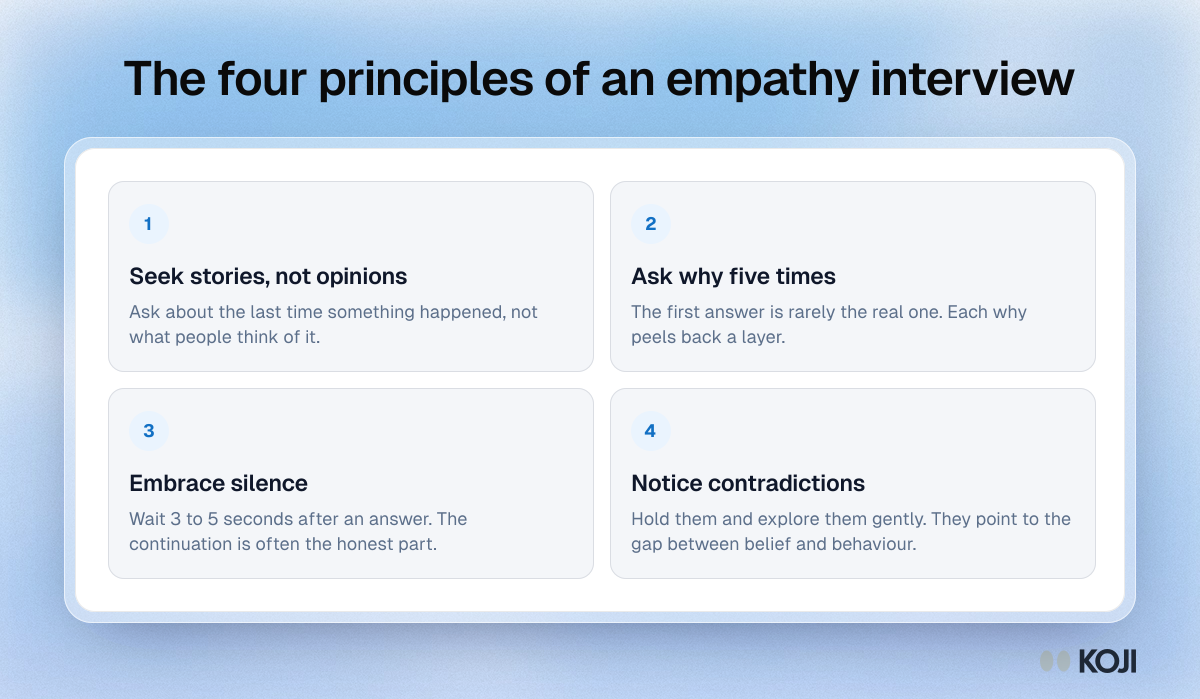
Framework showing the four principles of an empathy interview: seek stories not opinions, ask why five times, embrace silence and notice contradictions.

Framework

The four principles of an empathy interview
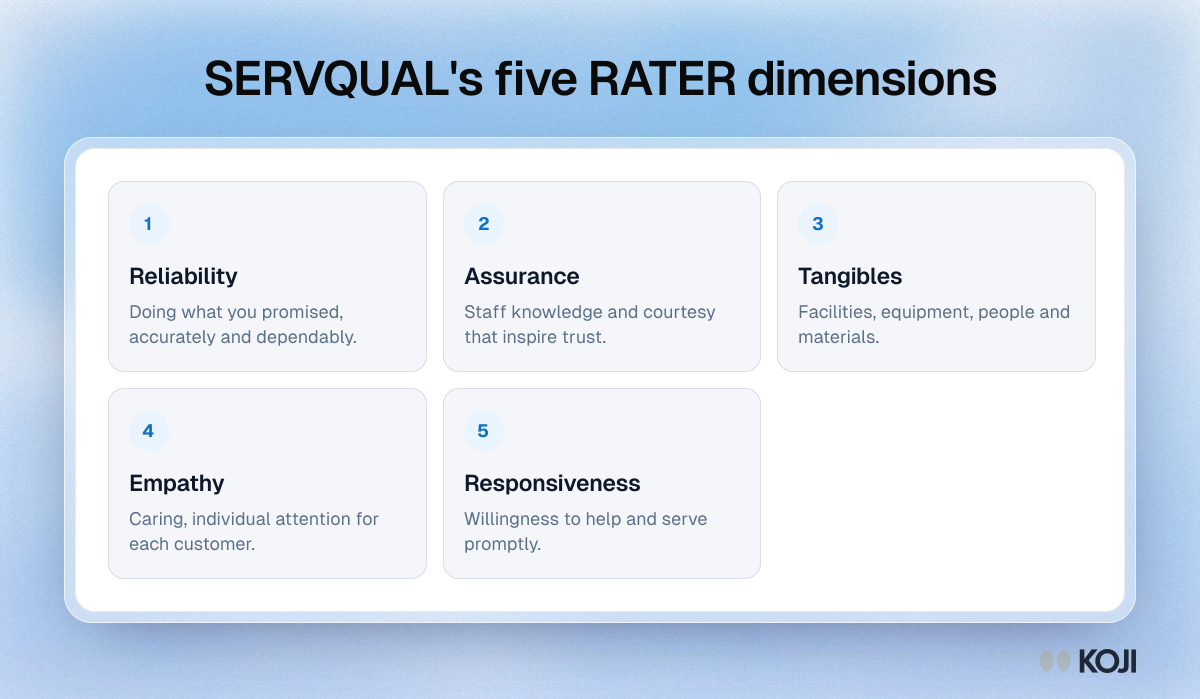
Framework listing the five SERVQUAL RATER dimensions of service quality: reliability, assurance, tangibles, empathy and responsiveness.

Framework

SERVQUAL's five RATER dimensions
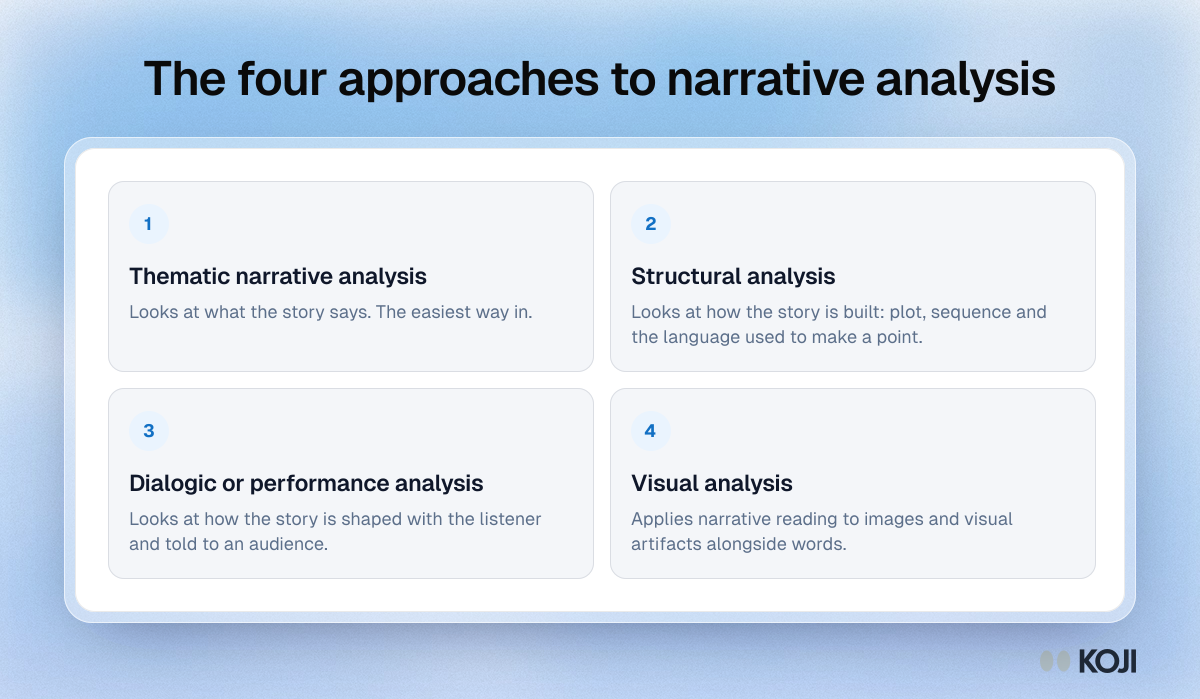
Framework showing Riessman's four approaches to narrative analysis: thematic, structural, dialogic or performance, and visual.

Framework

The four approaches to narrative analysis
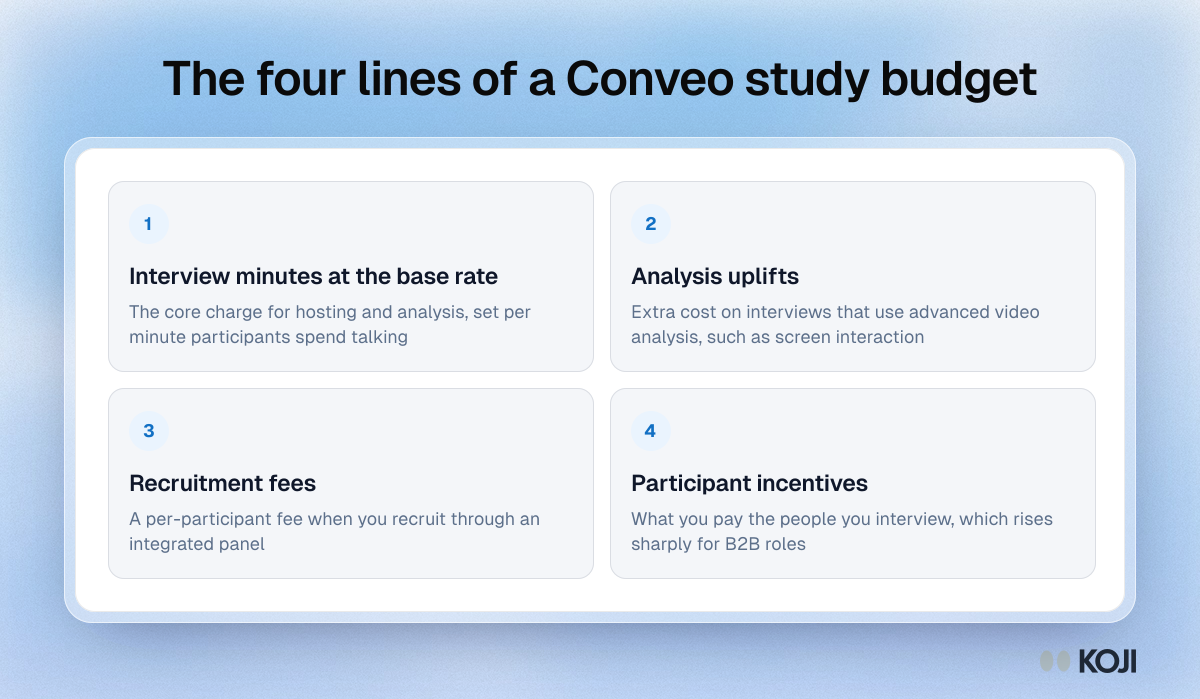
Framework showing the four lines in a Conveo study budget: interview minutes at the base rate, analysis uplifts, recruitment fees and participant incentives.

Framework

The four lines of a Conveo study budget
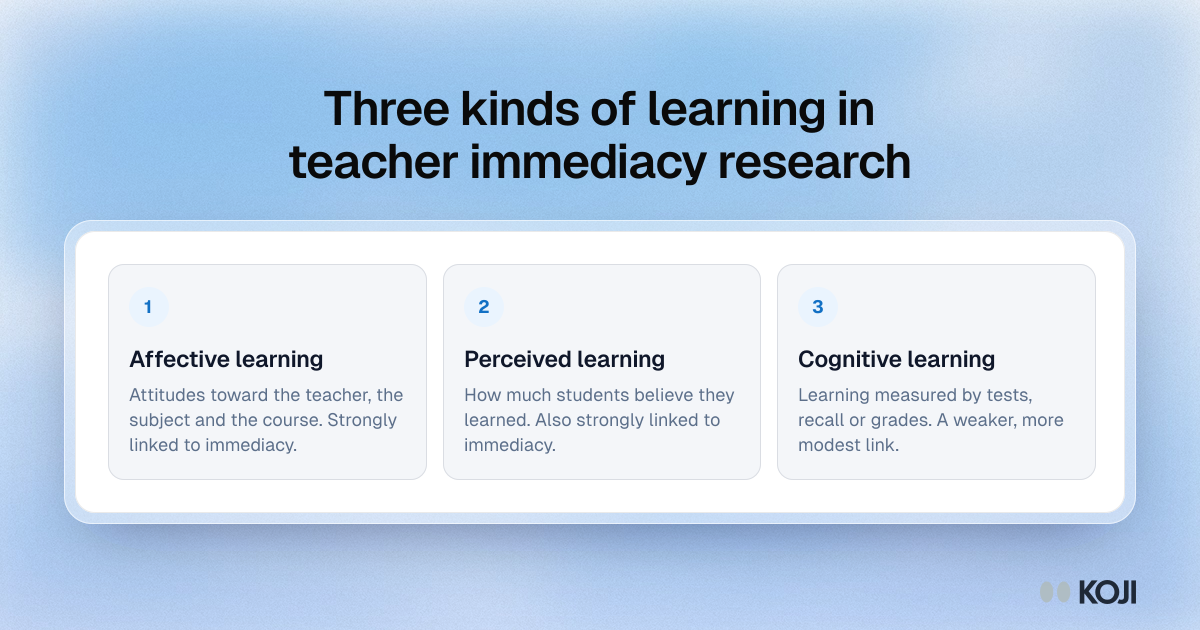
Framework showing three kinds of learning in immediacy research: affective, perceived and cognitive learning, and how strongly immediacy relates to each.

Framework

Three kinds of learning in teacher immediacy research
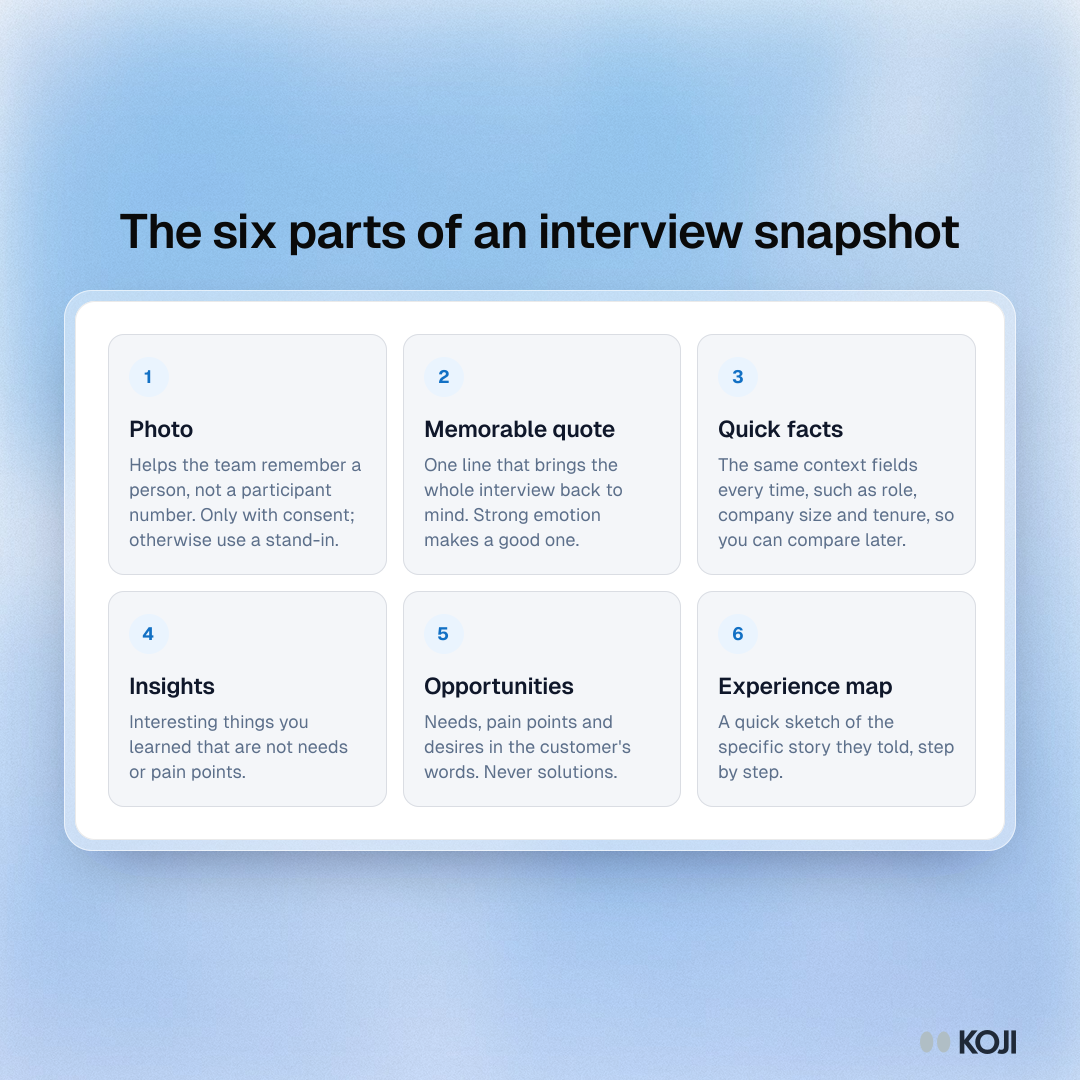
Framework showing the six parts of an interview snapshot: photo, memorable quote, quick facts, insights, opportunities and experience map

Framework

The six parts of an interview snapshot
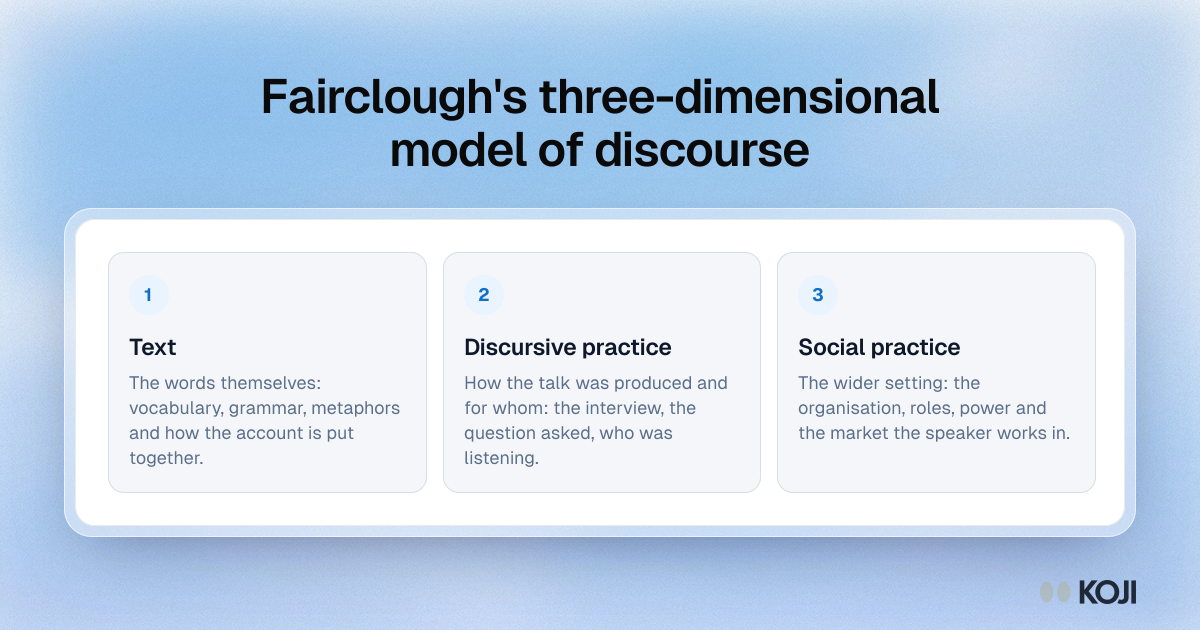
Framework showing Fairclough's three dimensions of discourse: text, discursive practice and social practice, with what to look for at each level

Framework

Fairclough's three-dimensional model of discourse
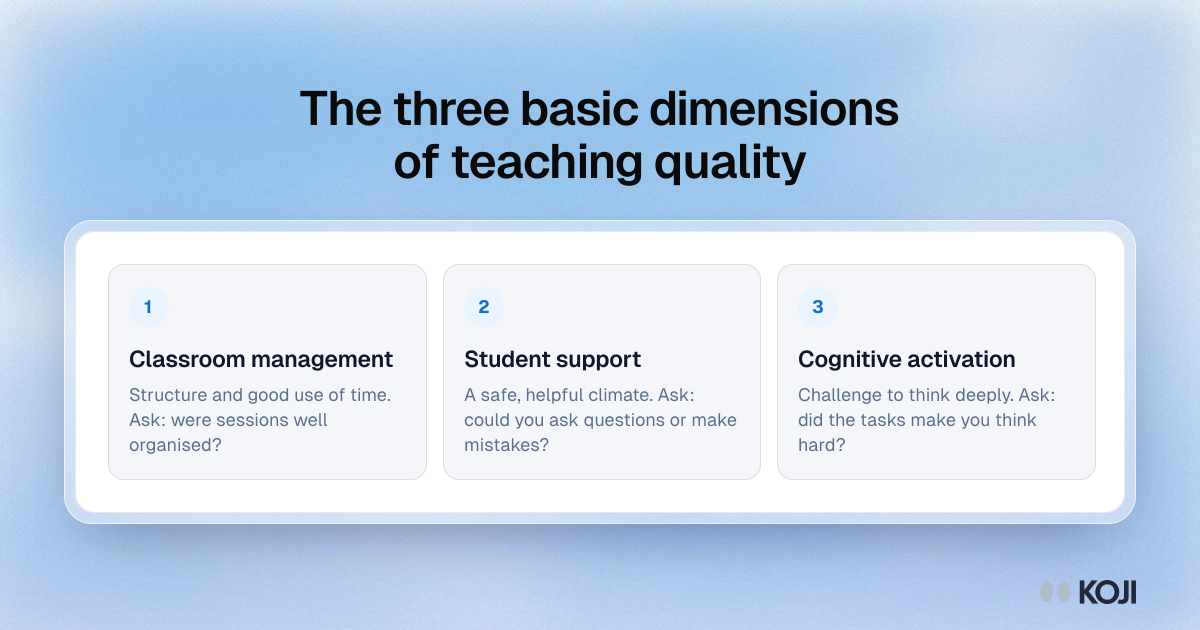
Framework of the three basic dimensions of teaching quality: classroom management, student support and cognitive activation, each with a sample question.

Framework

The three basic dimensions of teaching quality
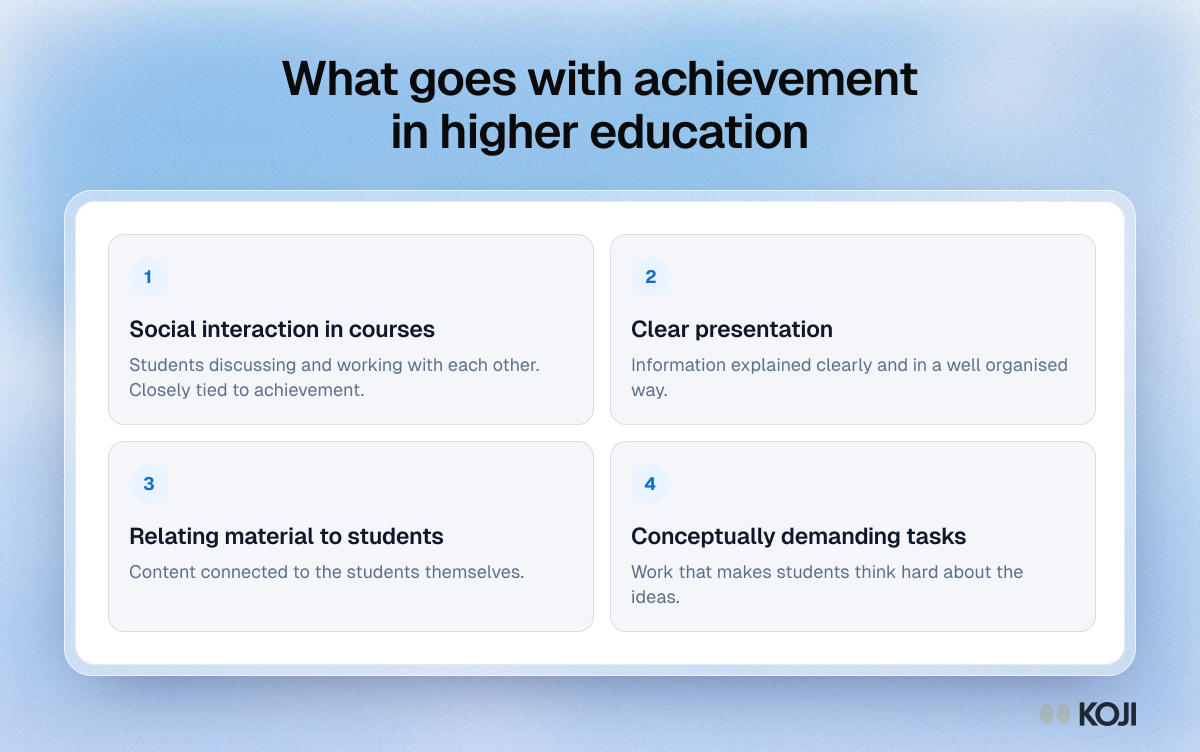
Framework of four teaching features tied to achievement in higher education: student interaction, clear presentation, relevance to students and demanding tasks.

Framework

What goes with achievement in higher education
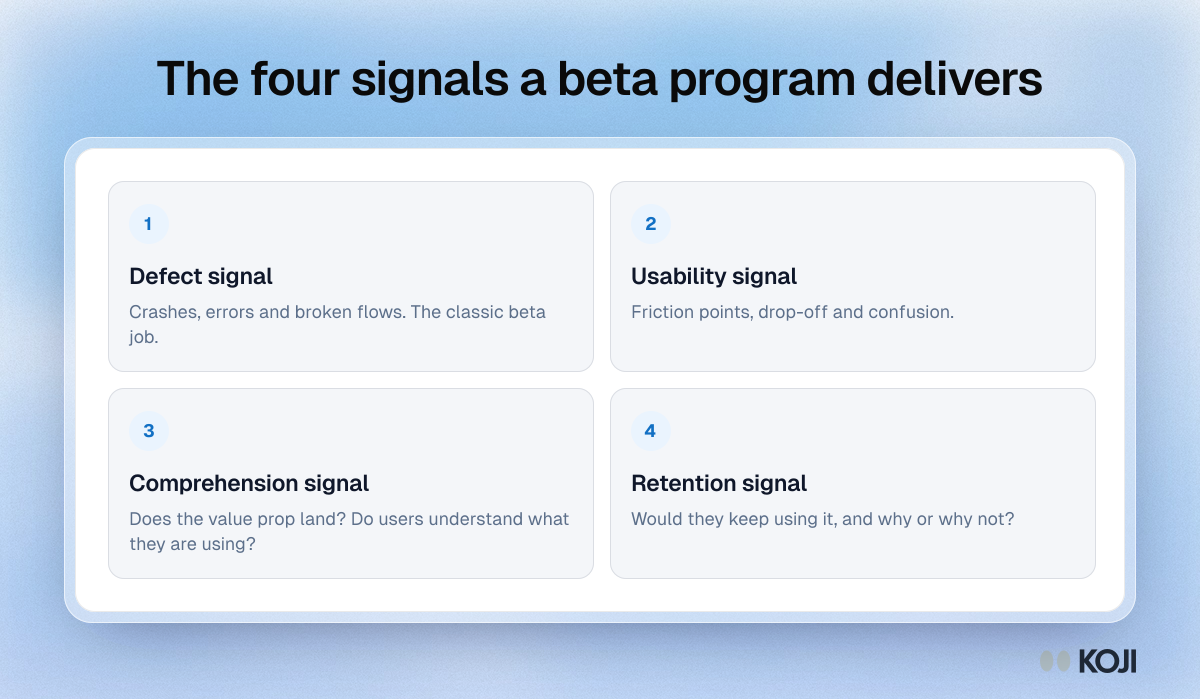
Framework showing the four signals a beta program should deliver: defect, usability, comprehension and retention.

Framework

The four signals a beta program delivers
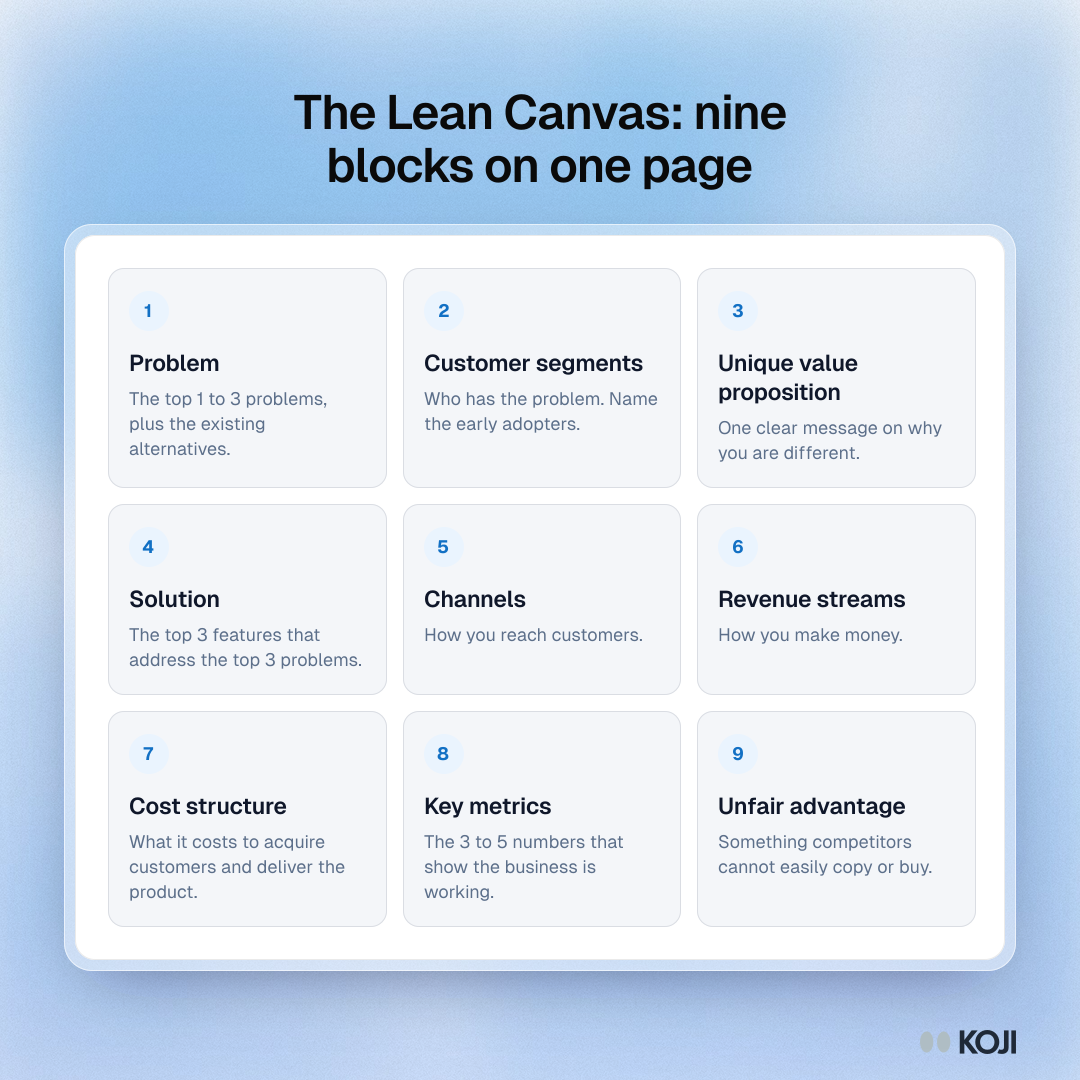
Framework of the nine Lean Canvas blocks, from problem and customer segments to key metrics and unfair advantage.

Framework

The Lean Canvas: nine blocks on one page
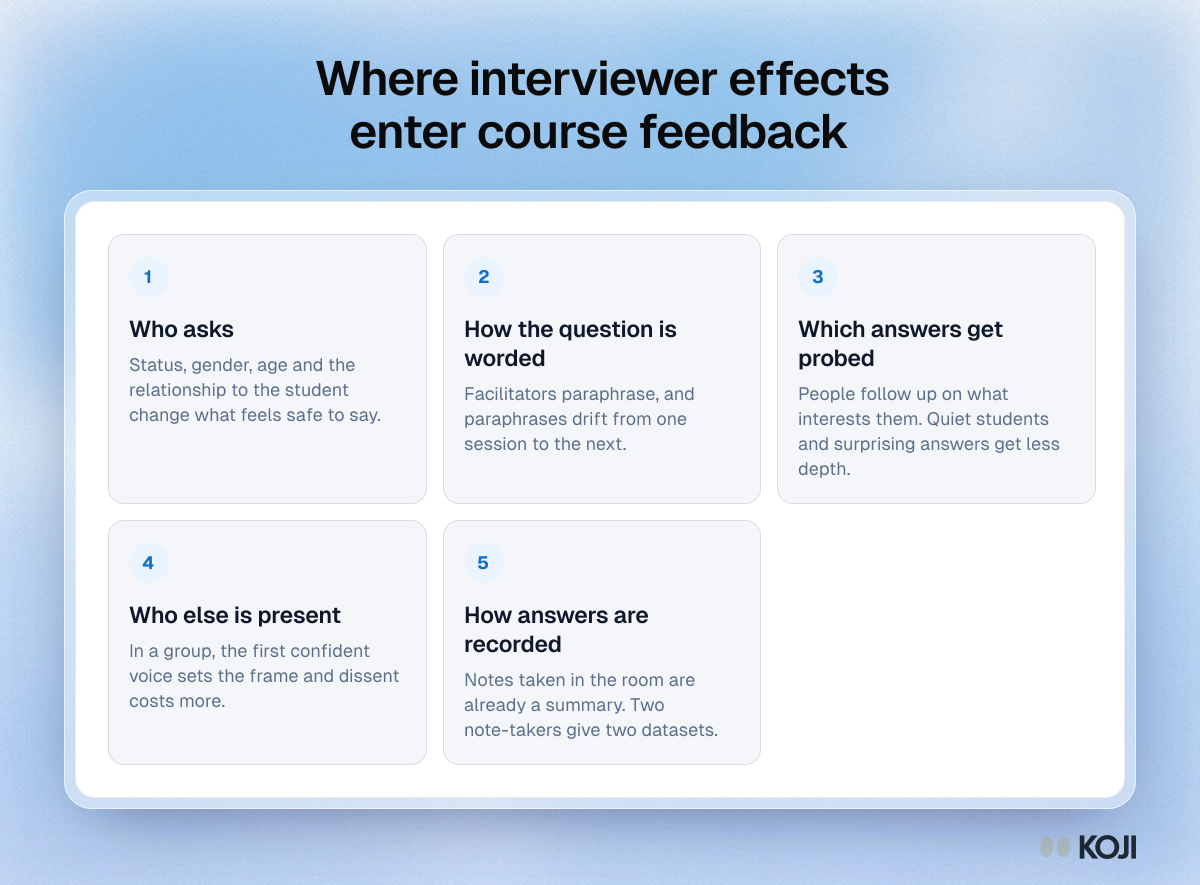
Framework of five points where interviewer effects enter course feedback: who asks, wording, probing, who is present and how answers are recorded.

Framework

Where interviewer effects enter course feedback
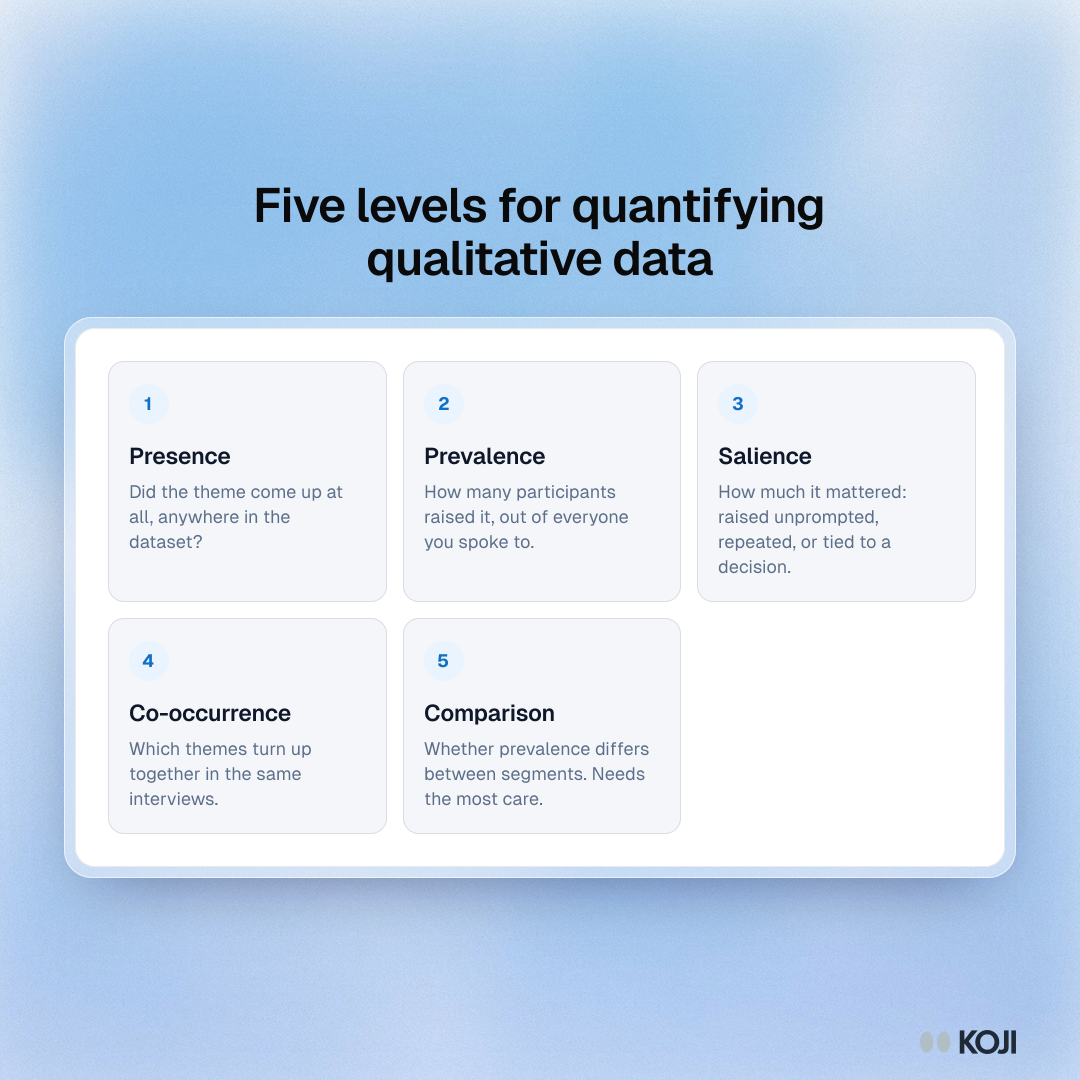
Framework showing five levels for quantifying qualitative data: presence, prevalence, salience, co-occurrence and comparison across segments.

Framework

Five levels for quantifying qualitative data
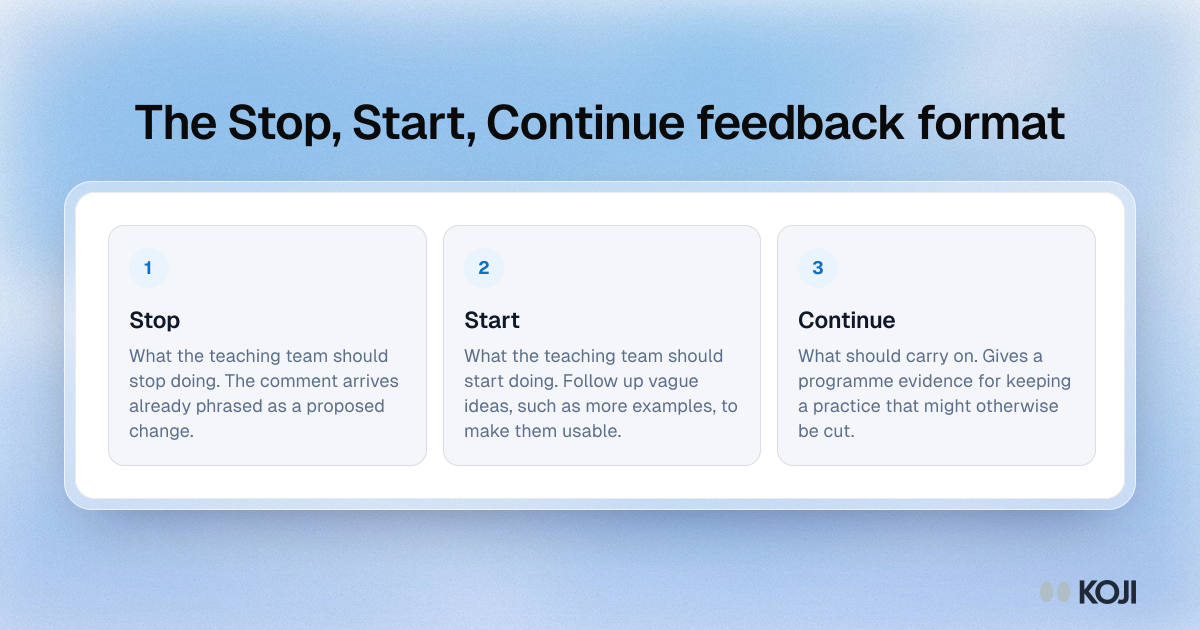
Framework showing the three Stop, Start, Continue prompts for course feedback and what each one gives a teaching team.

Framework

The Stop, Start, Continue feedback format
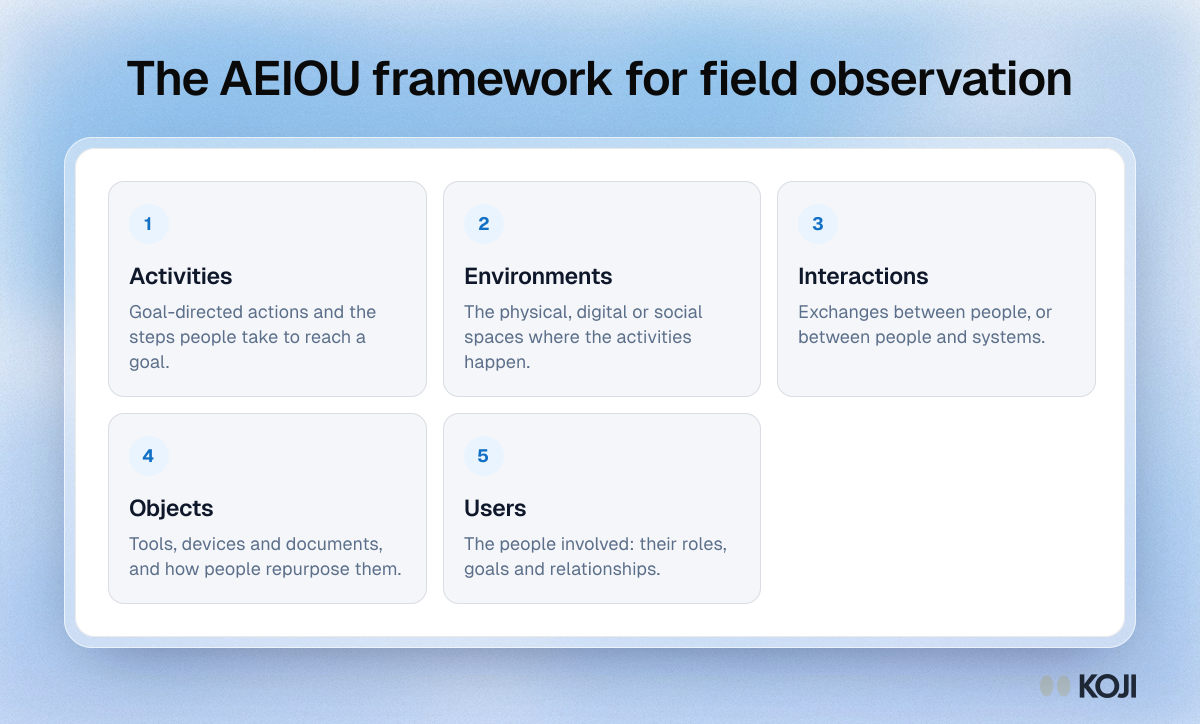
Framework showing the five AEIOU categories for field observation: activities, environments, interactions, objects and users.

Framework

The AEIOU framework for field observation
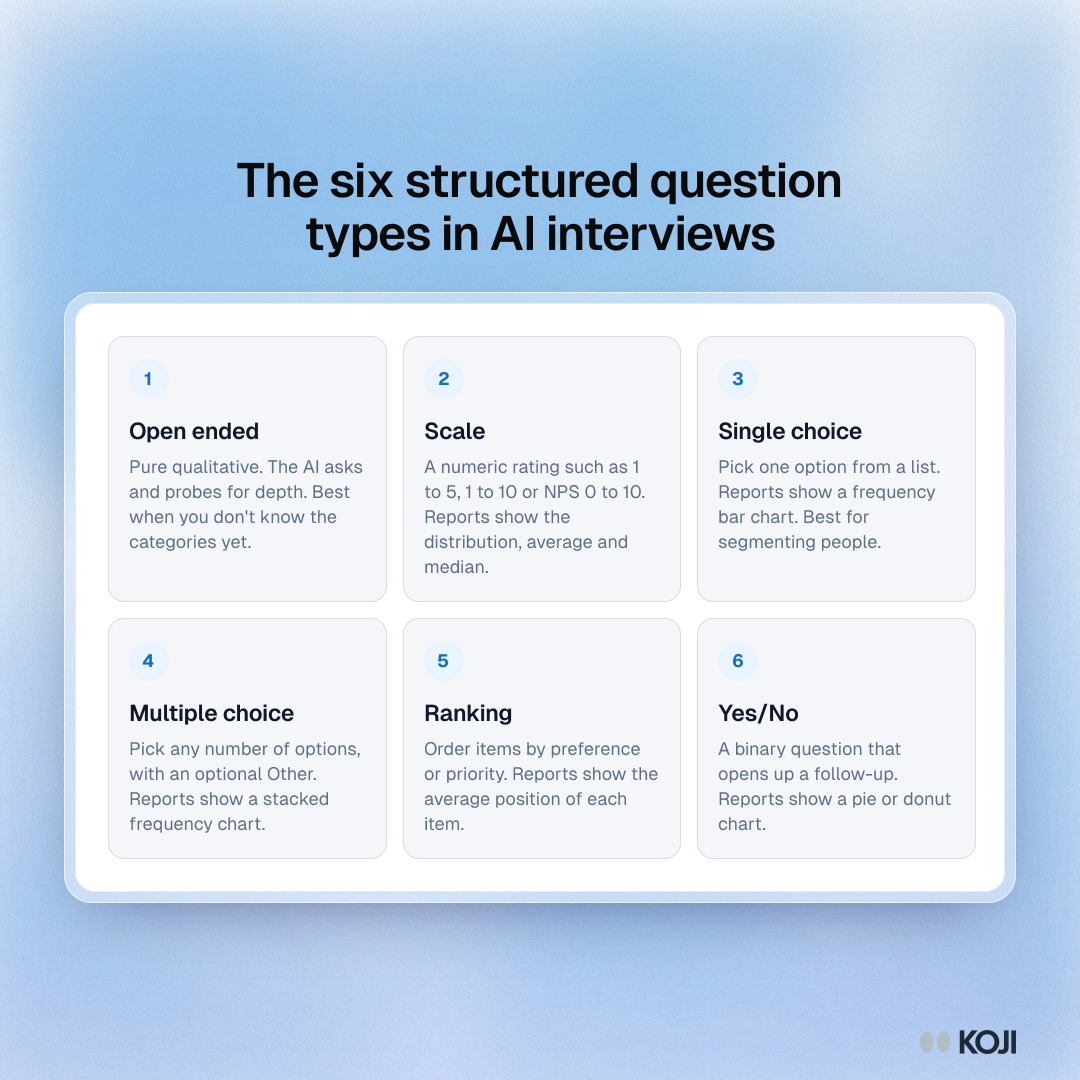
Framework of six structured question types in AI interviews: open ended, scale, single choice, multiple choice, ranking and yes/no, with each report chart.

Framework

The six structured question types in AI interviews
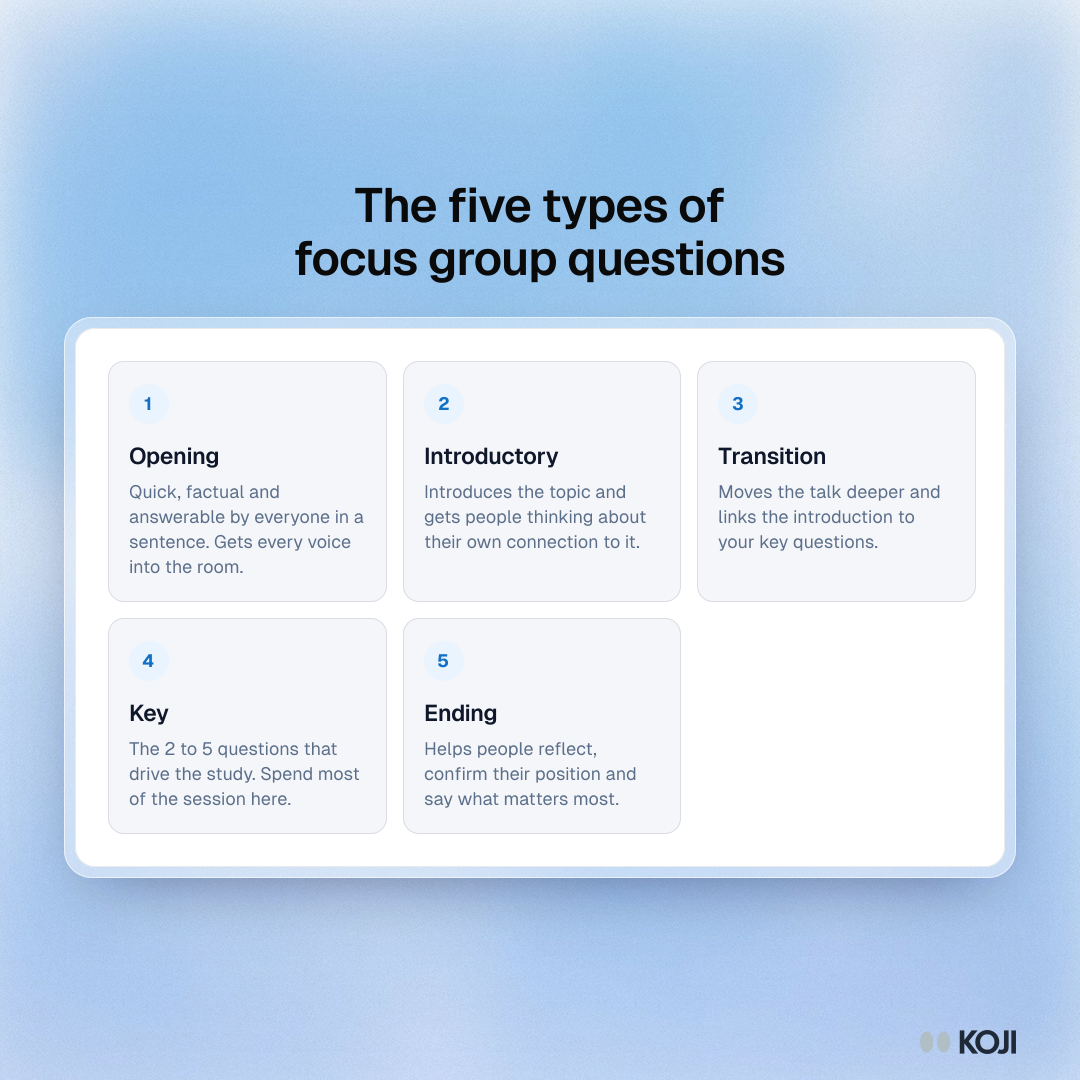
Framework showing the five types of focus group questions in order: opening, introductory, transition, key and ending, with what each one is for.

Framework

The five types of focus group questions
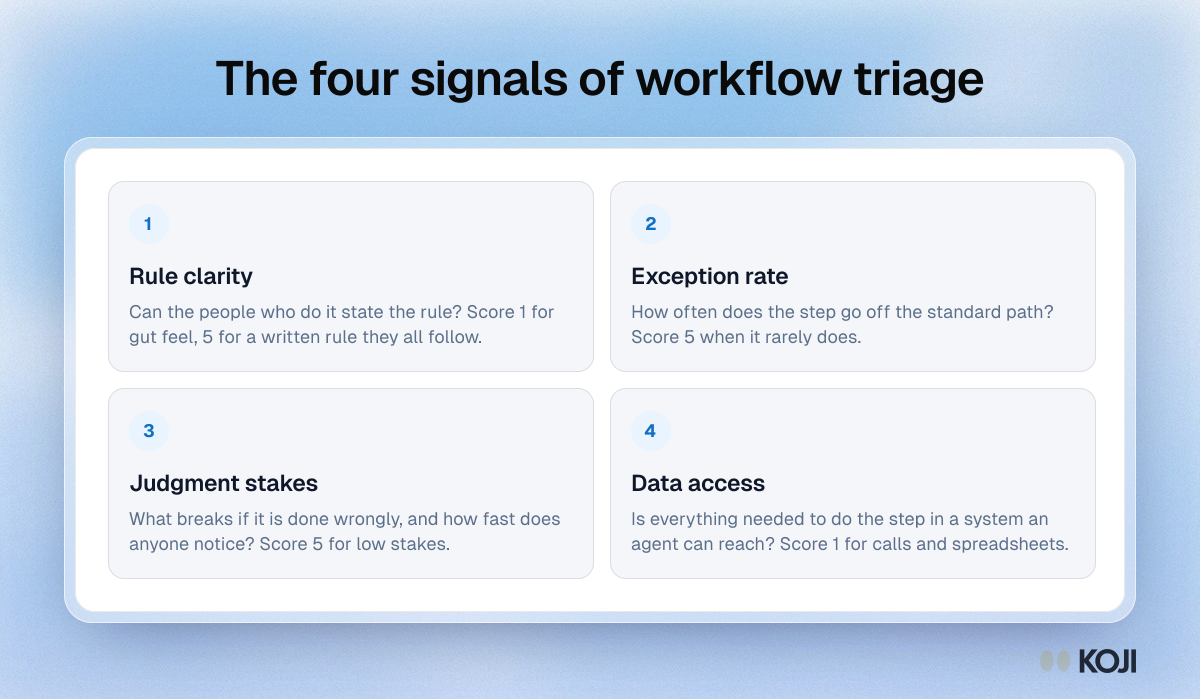
Framework showing four signals for triaging a workflow step before giving it to an AI agent: rule clarity, exception rate, judgment stakes and data access.

Framework

The four signals of workflow triage
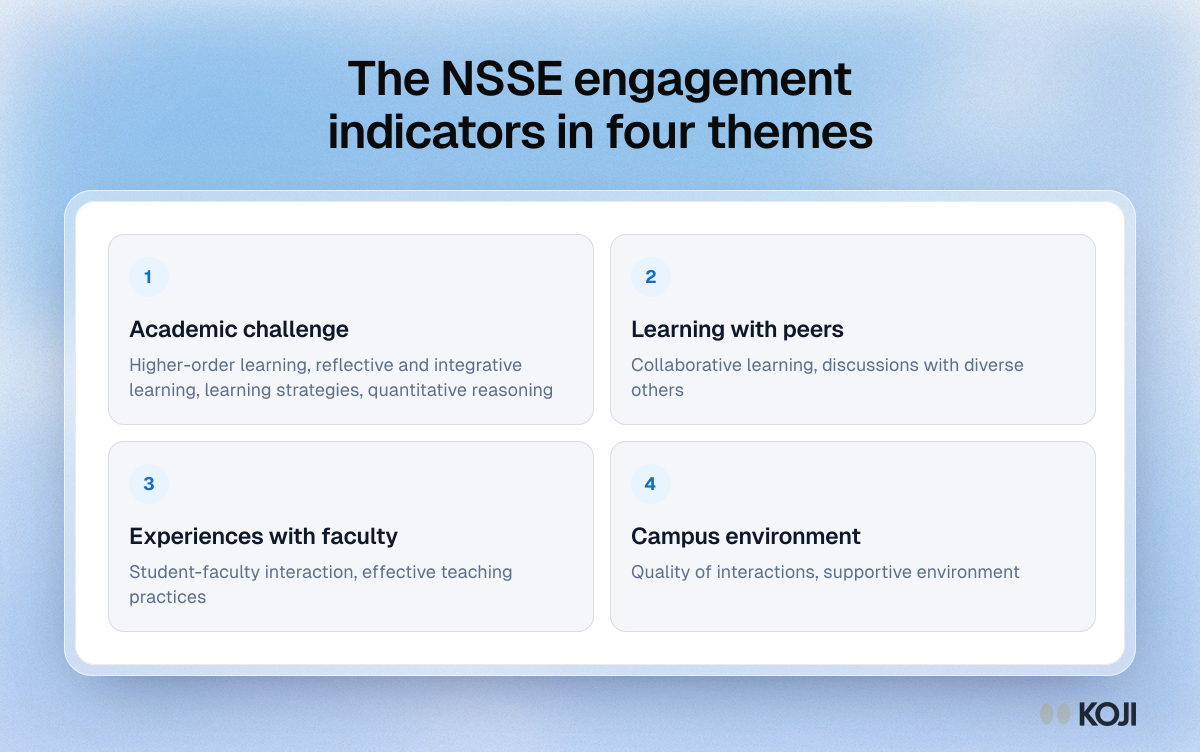
Framework showing the four themes of the NSSE engagement indicators: academic challenge, learning with peers, experiences with faculty and campus environment.

Framework

The NSSE engagement indicators in four themes
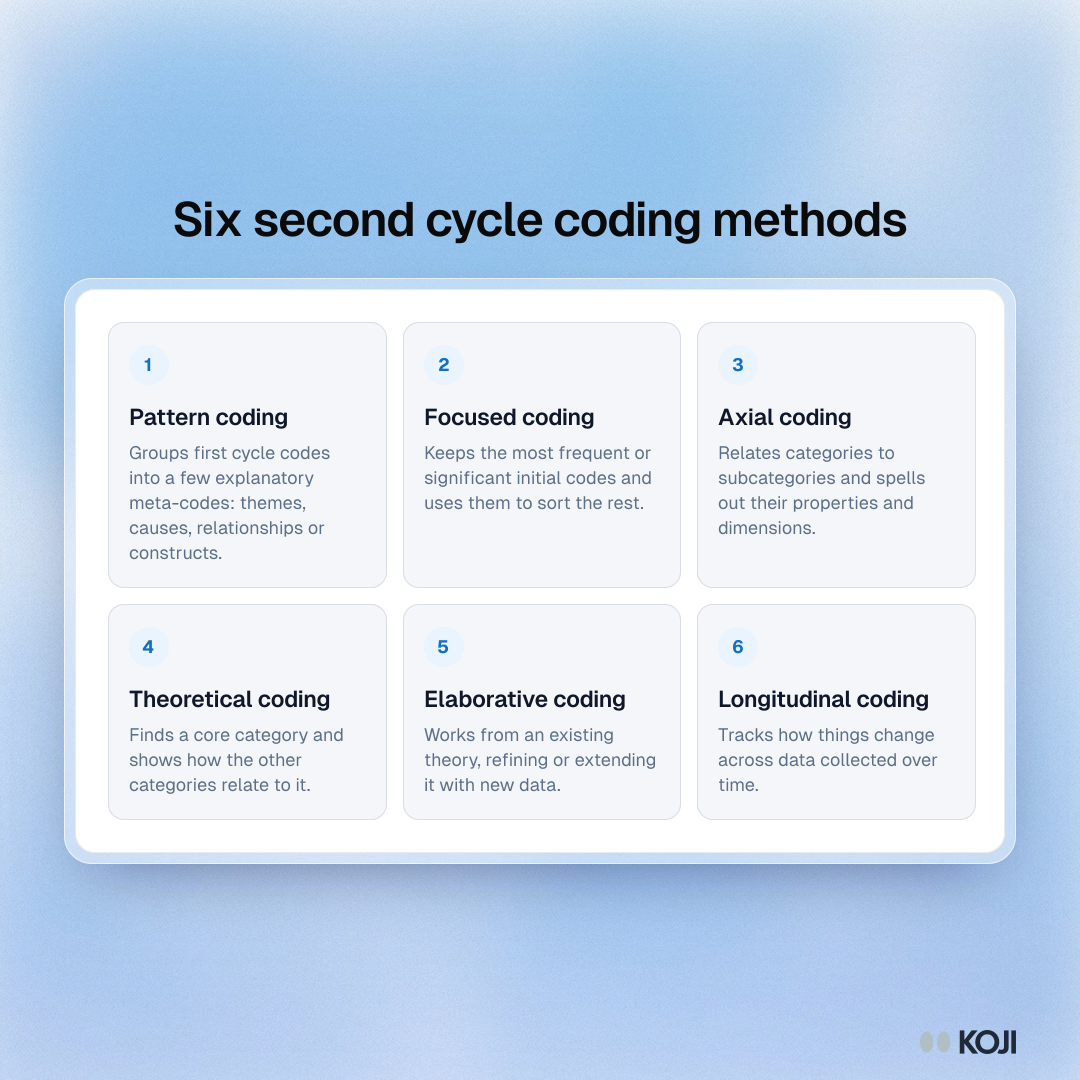
Framework of six second cycle coding methods: pattern, focused, axial, theoretical, elaborative and longitudinal coding.

Framework

Six second cycle coding methods
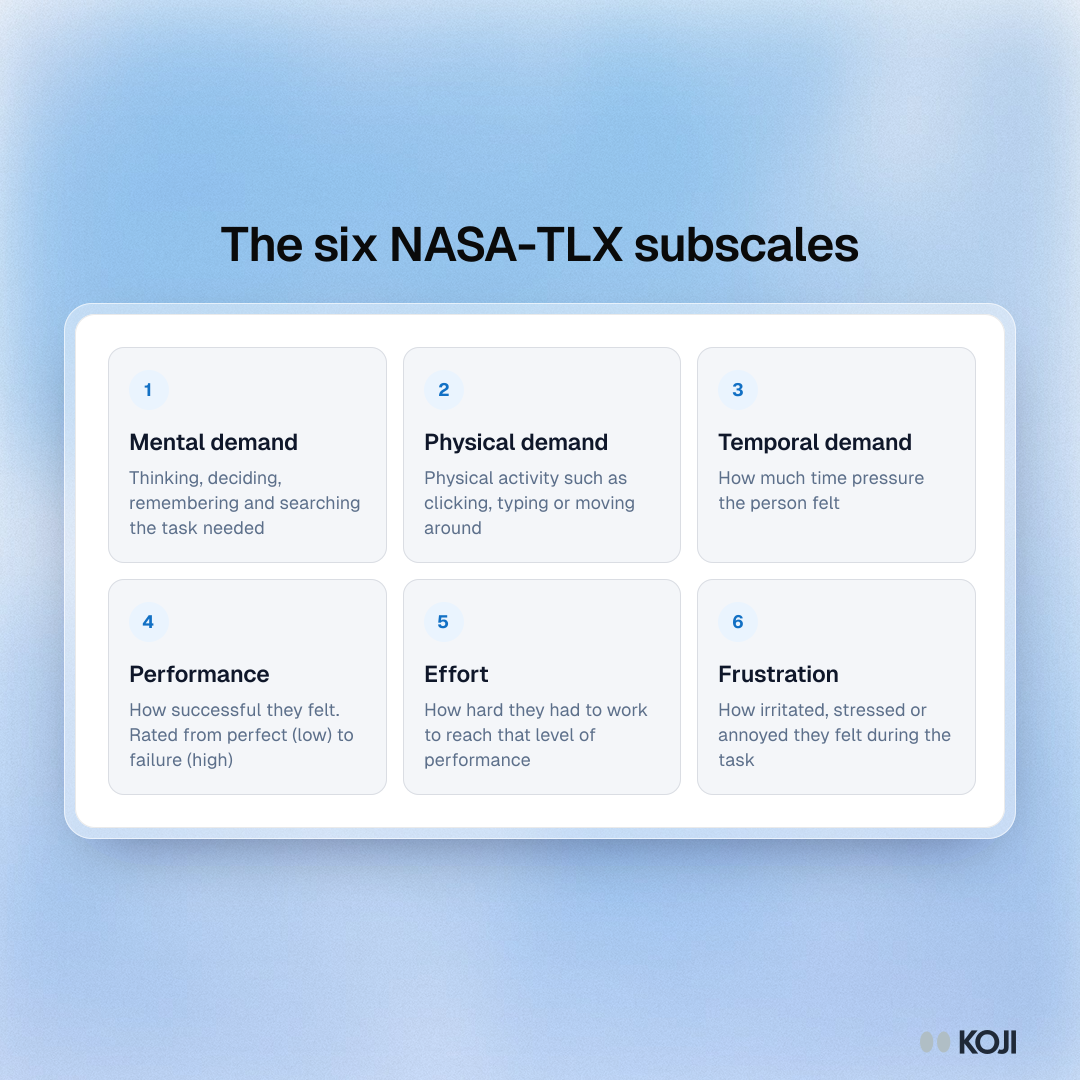
Framework showing the six NASA-TLX subscales: mental, physical and temporal demand, performance, effort and frustration

Framework

The six NASA-TLX subscales

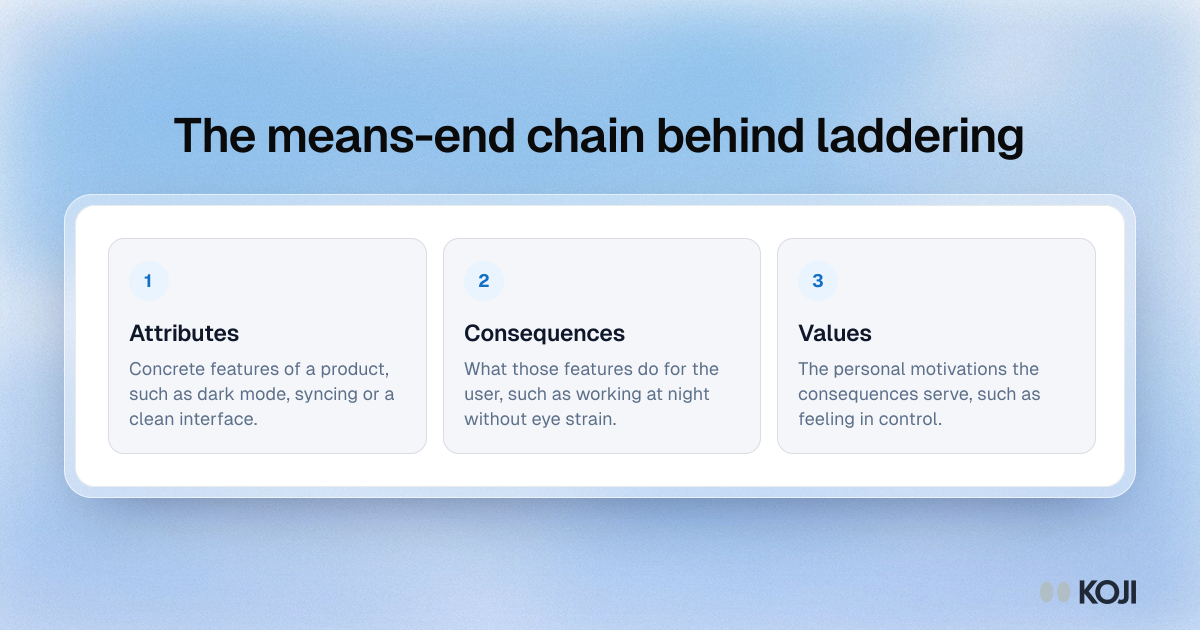
Framework showing the three levels of the means-end chain used in laddering interviews: attributes, consequences and values.

Framework

The means-end chain behind laddering
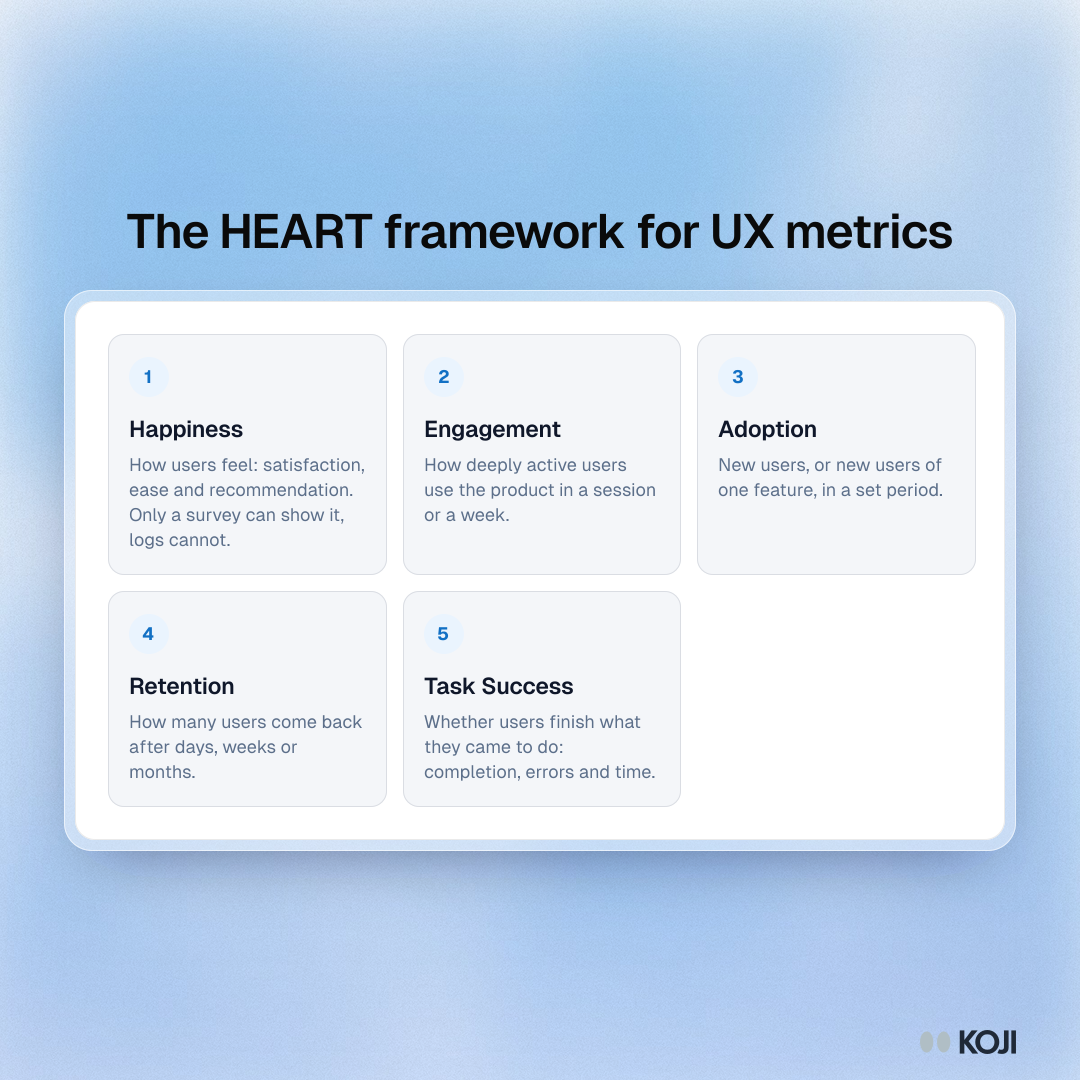
Framework showing the five HEART metrics for measuring user experience: Happiness, Engagement, Adoption, Retention and Task Success.

Framework

The HEART framework for UX metrics
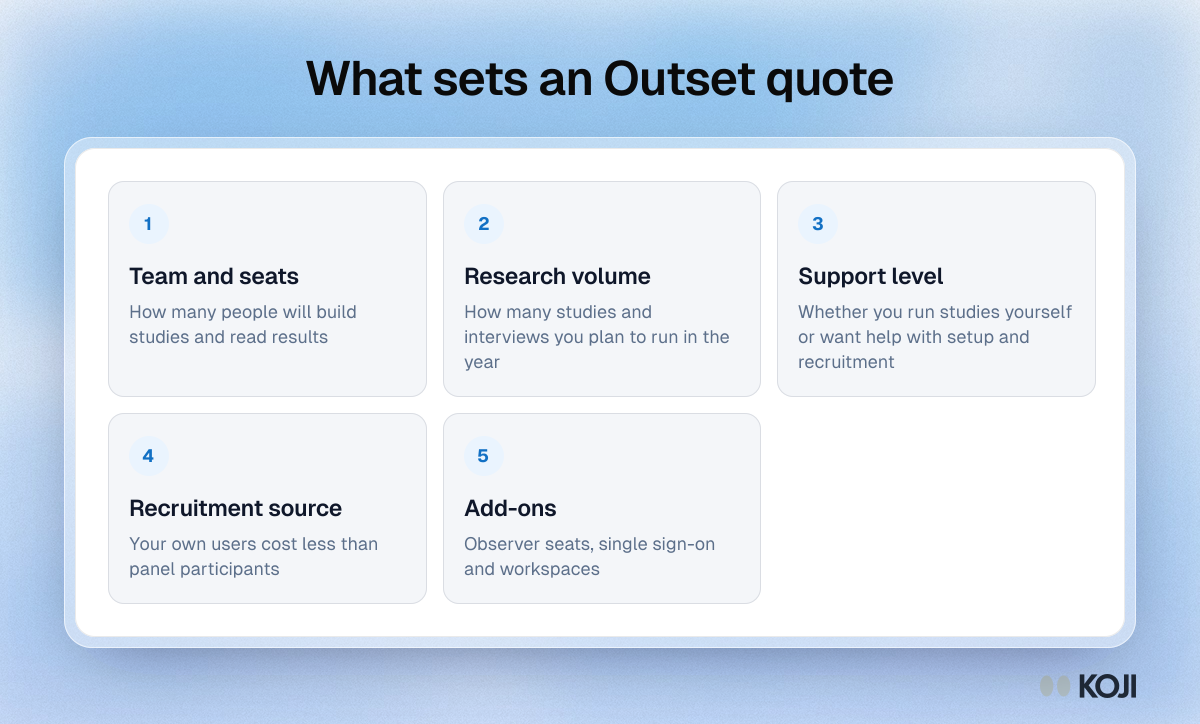
Framework of five factors that set an Outset quote: team and seats, research volume, support level, recruitment source and add-ons.

Framework

What sets an Outset quote

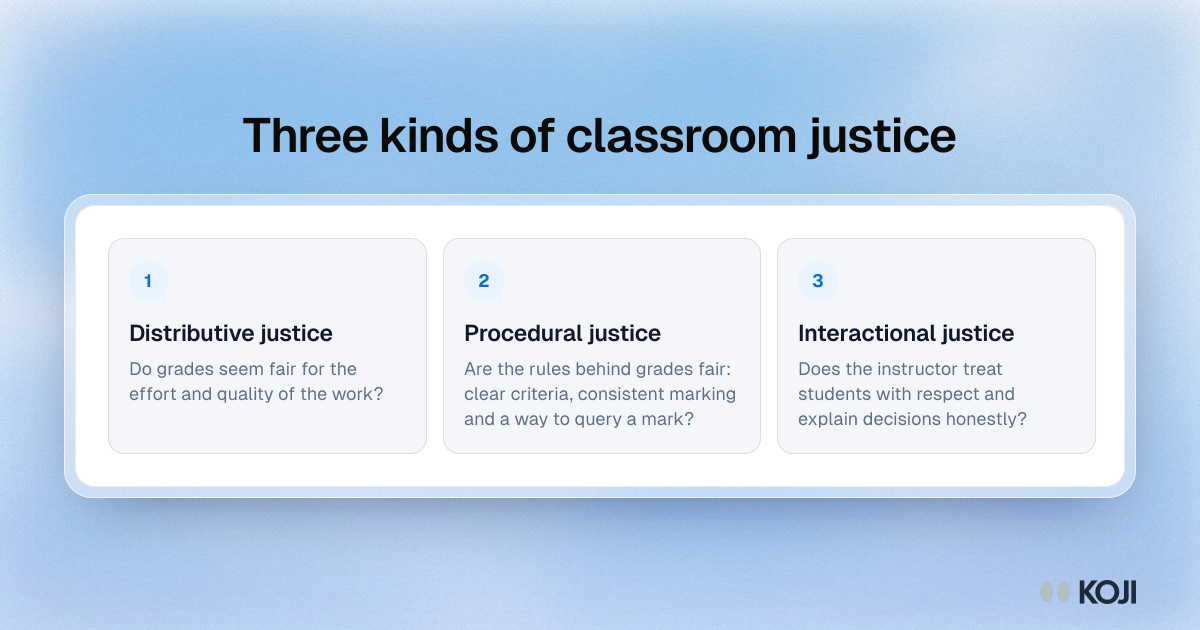
Framework of the three kinds of classroom justice students judge: fair grades, fair grading procedures and fair treatment by the instructor.

Framework

Three kinds of classroom justice
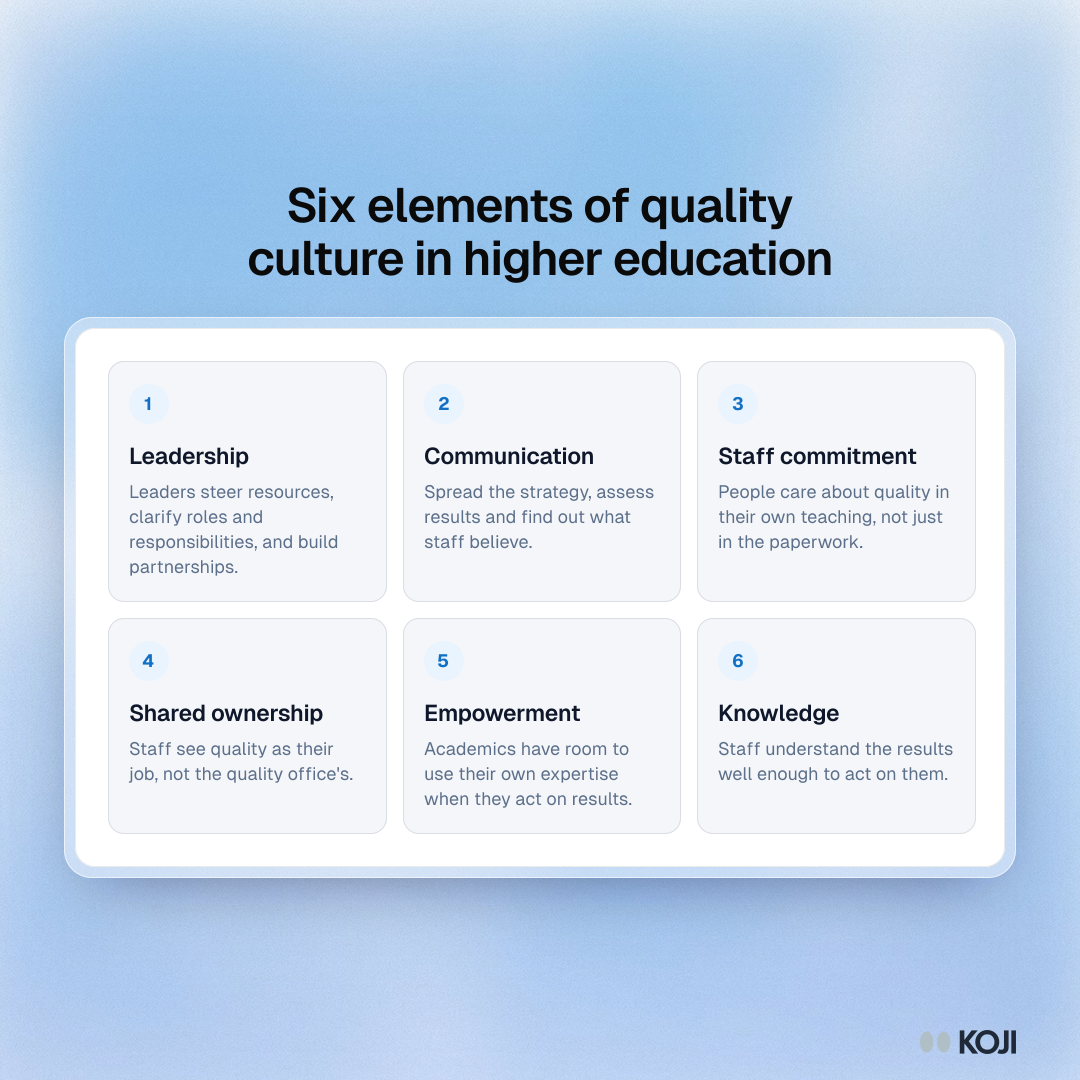
Framework of six elements of quality culture in higher education: leadership, communication, commitment, ownership, empowerment and knowledge.

Framework

Six elements of quality culture in higher education